
Introduction
Film has long stood as one of the most influential forms of art and entertainment. It shapes perceptions, tells stories, and reflects the complexities of human life. From silent black-and-white movies to today’s advanced CGI blockbusters, film as a medium has evolved considerably. Understanding its evolution is essential not only for cinema enthusiasts but also for anyone interested in the arts, technology, and social change.
The Early Days of Film
The history of film dates back to the late 19th century when pioneers like Thomas Edison and the Lumière brothers introduced the concept of motion pictures. These early films, often only a few minutes long, were an exploration of movement, capturing daily life, and presenting it to audiences in magical ways. The establishment of the first narrative films in the early 1900s marked a significant turning point, with D.W. Griffith’s ‘The Birth of a Nation’ igniting both admiration and controversy.
The Golden Age of Hollywood
The 1920s to the 1960s is often referred to as the Golden Age of Hollywood. It was during this time that studios like MGM and Warner Bros. rose to prominence. The introduction of sound in films, known as ‘talkies’ in the late 1920s, forever changed the industry. There were iconic films such as ‘Gone with the Wind’ and ‘Casablanca’ that defined the era. This period also saw the establishment of star power, with actors like Humphrey Bogart and Marilyn Monroe capturing the public’s imagination.
Modern Cinema and Digital Revolution
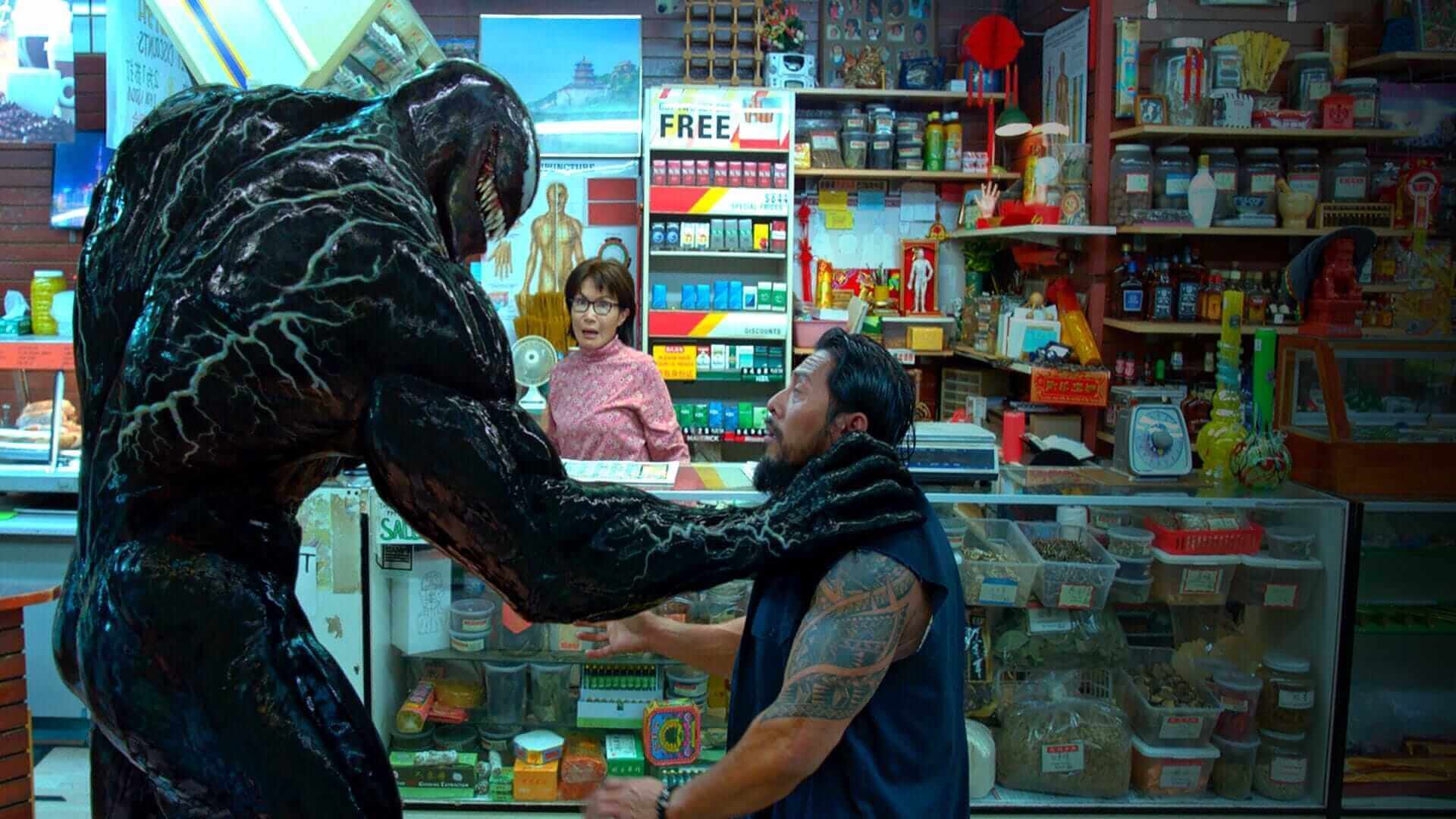
With the advent of the digital age in the late 20th and early 21st centuries, the landscape of filmmaking transformed once again. Filmmakers began utilizing advanced technology and techniques such as computer-generated imagery (CGI), which expanded the boundaries of storytelling. Films like ‘Avatar’ have revolutionized the box office, showcasing the potential of 3D technology. Moreover, streaming services like Netflix and Amazon Prime Video have changed how audiences consume films, prioritizing on-demand viewing over traditional cinema attendance.
Conclusion
The evolution of film reflects broader societal changes and advancements in technology. As we move forward, the film industry continues to adapt and innovate. It is predicted that virtual reality (VR) and augmented reality (AR) will play a significant role in the future of film, potentially transforming how stories are experienced. The significance of film as an artistic medium and cultural barometer remains profound, impacting not just entertainment but also social discourse worldwide.