
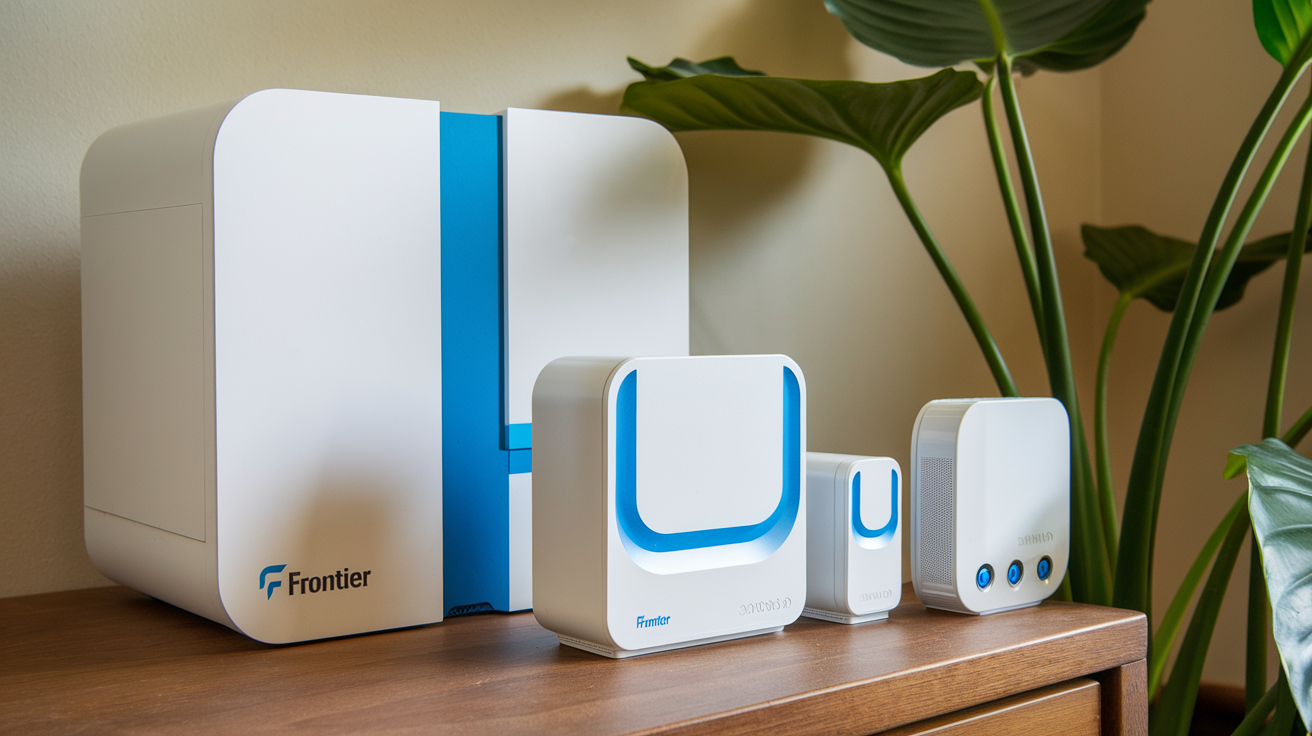
Introduction to Frontier Internet
As the demand for high-speed internet continues to rise, Frontier Internet has become a significant player in the telecommunications landscape in the United States. Offering a range of services, Frontier aims to provide reliable internet access, especially in rural and underserved areas where connectivity is often limited. The importance of internet access cannot be overstated, as it supports remote work, online education, and connectivity with loved ones, making it a vital utility in today’s digital age.
Services Offered by Frontier Internet
Frontier Internet provides a variety of plans to cater to different customer needs. Their services include fiber-optic internet, DSL (Digital Subscriber Line) internet, and digital phone services. Fiber-optic internet, characterized by faster speeds and improved reliability, is available in select areas, while DSL offers a more widely accessible option. Customers can enjoy speeds ranging from 25 Mbps to up to 940 Mbps, depending on their specific plan and geographical location. Recently, Frontier has also introduced no-contract plans, giving customers flexibility and reducing long-term commitments.
Current Events and Improvements
In response to the increasing demand for better internet services, Frontier has been investing heavily in upgrading its infrastructure. In 2023, Frontier announced plans to expand its fiber-optic network to 1.2 million homes across several states, including California, Texas, and Florida. This expansion aims to improve service quality and speed, thereby enhancing user experience. Furthermore, Frontier launched a campaign to improve customer service, promising quicker response times and improved customer support next year.
Significance of Frontier Internet
With the ongoing digitization of sectors such as education, healthcare, and business, Frontier Internet is positioning itself as a critical provider of connectivity. Access to reliable internet has profound implications for productivity and quality of life, particularly in rural communities where options are limited. According to the Federal Communications Commission (FCC), over 15 million people in the U.S. still lack access to high-speed broadband. Initiatives by companies like Frontier could help bridge this digital divide.
Conclusion
Frontier Internet is adapting to the rapidly changing telecommunications landscape by expanding its services and investing in technological advancements. As it continues to enhance its offerings, consumers can benefit from improved access to high-speed internet that supports their increasingly connected lives. In a world where reliable internet is essential, Frontier’s role in providing service to underserved areas cannot be understated, promising a more connected future for many Americans.