
Introduction
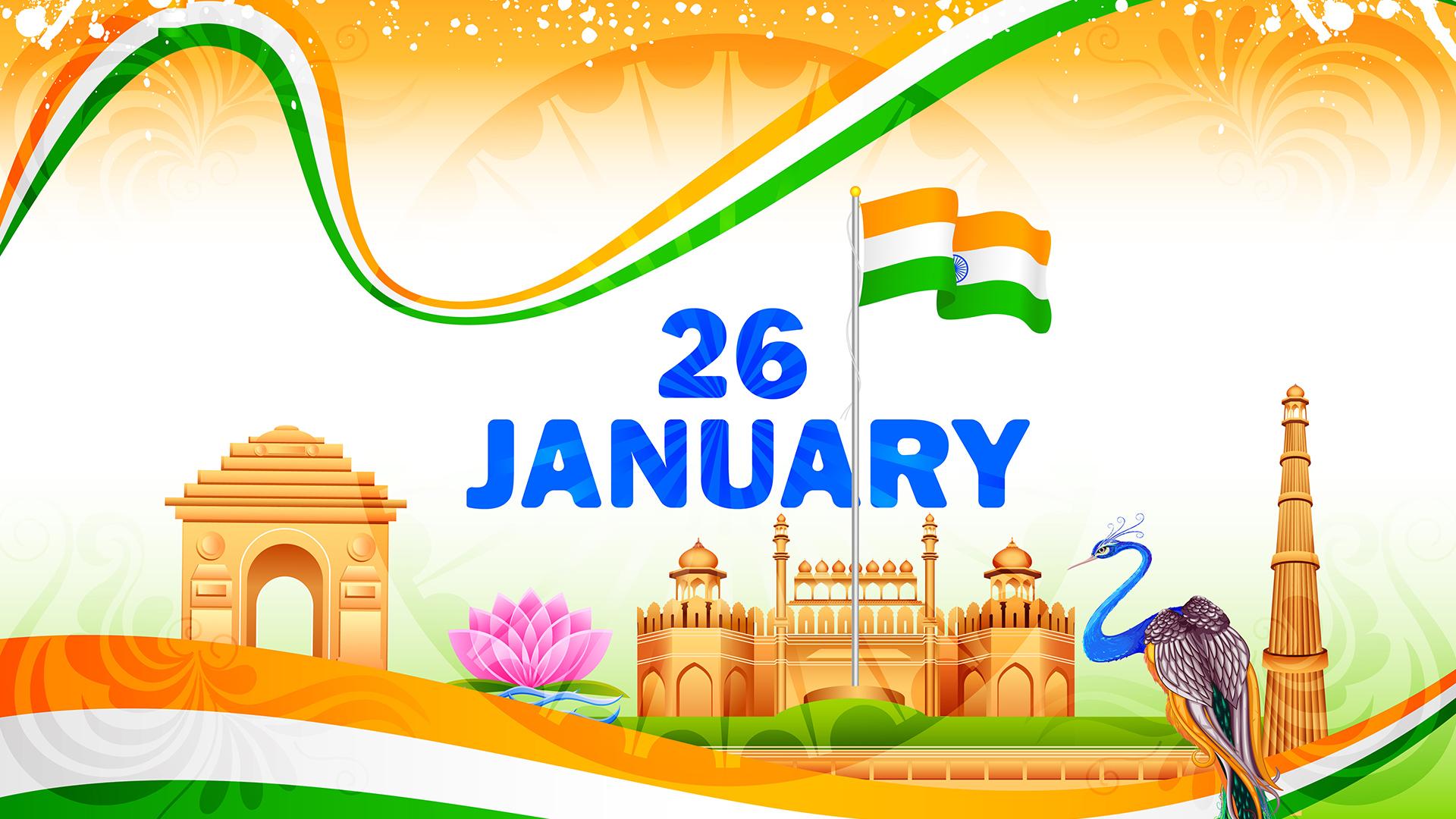
26 January is a date marked by significant historical and cultural importance, particularly in India, where it is celebrated as Republic Day. This day holds a pivotal place in the timeline of India’s journey towards becoming a sovereign nation and is commemorated with various celebrations across the country. Understanding the significance of this day is essential not just for patriotic spirit but also for acknowledging the values of democracy and constitutional governance.
Historical Context
On 26 January 1950, the Constitution of India came into effect, transforming the nation into a democratic republic. This day marked the end of colonial rule and the establishment of a governance system based on justice, liberty, equality, and fraternity, fundamental principles enshrined in the Constitution. The choice of this date also dates back to 1930 when the Indian National Congress declared the Indian Independence Day. This historical context emphasizes a struggle for democracy and self-rule, making the date a cornerstone of Indian national identity.
Cultural Celebrations
Republic Day festivities commence weeks in advance, culminating in a grand parade held in New Delhi. The parade showcases India’s military prowess and cultural diversity, featuring tableaux from various states, marches by armed forces, and performances by school children. The President of India presides over the event, further emphasizing the importance of the day. Additionally, various flag-hoisting ceremonies and cultural programs are conducted in schools, colleges, and government institutions nationwide, fostering a sense of patriotism among citizens, especially the youth.
Current Relevance
This year, as preparations are underway, the significance of 26 January continues to resonate with contemporary India’s issues. Discussions on constitutional values and their relevance in today’s society, alongside celebrations of unity in diversity, take center stage. With ongoing debates about rights, liberties, and governance, Republic Day serves as a reminder for citizens to engage in active discourse regarding their responsibilities and roles within a democratic framework.
Conclusion
The observance of 26 January is much more than a mere remembrance of India’s Constitution; it encapsulates the ideals of democratic governance and the commitment to uphold them. As the country celebrates its Republic Day, it invites citizens to reflect on the progress made and the challenges ahead. For future generations, this day is not only a celebration of national pride but also a call to action to maintain and strengthen the principles laid down in the Constitution for a just and equitable society.