
Introduction
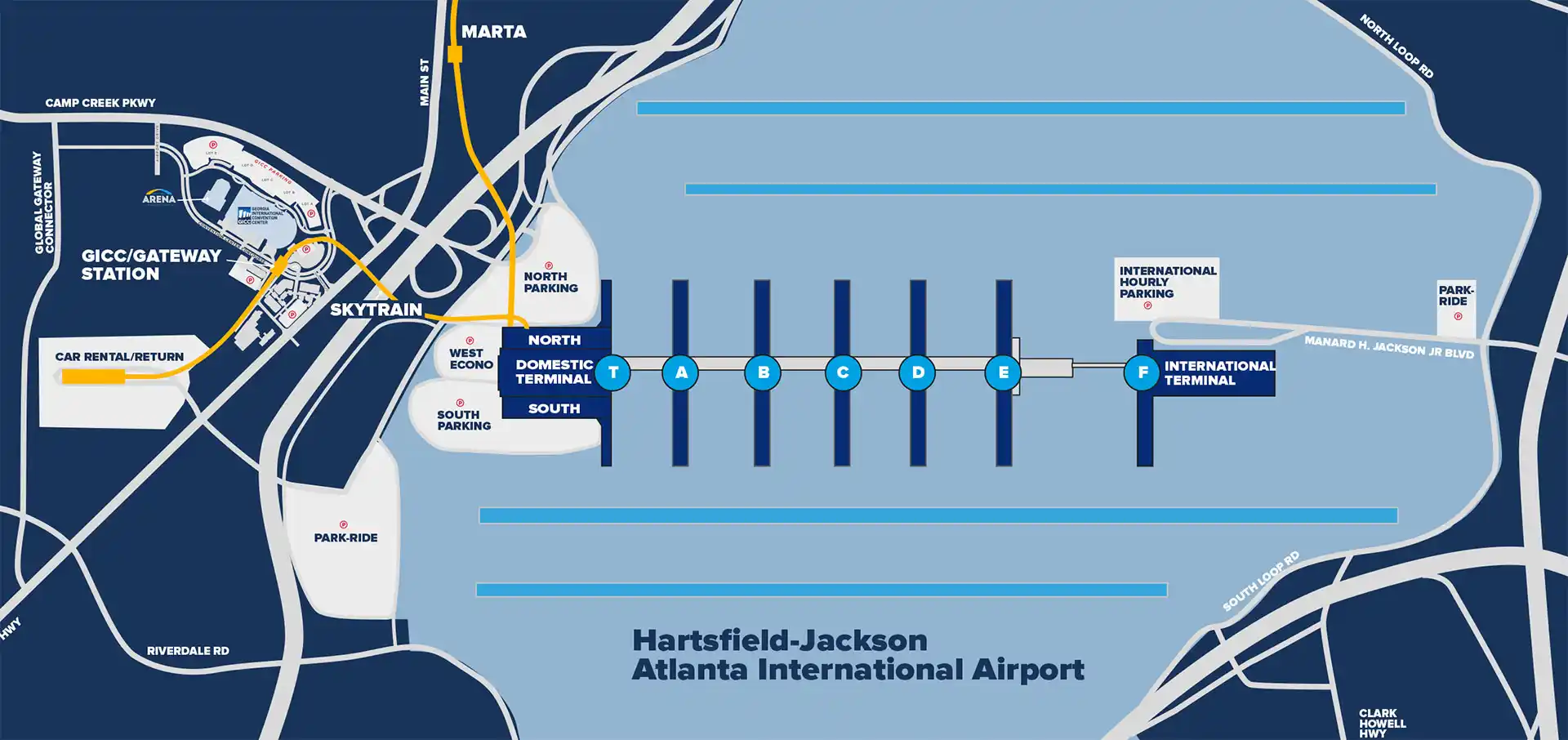
Atlanta Airport, officially known as Hartsfield-Jackson Atlanta International Airport (ATL), is not just one of the busiest airports in the United States, but it has consistently held the title of the busiest airport in the world, based on passenger numbers. As of 2023, ATL continues to play a critical role in global air travel, connecting millions of passengers to various destinations across the globe. This significance highlights the airport’s evolving infrastructure, operational excellence, and its vital economic impact on the region.
Current Operations and Statistics
In a recent announcement, the Atlanta Department of Aviation reported that the airport served over 107 million passengers in 2022, a marked recovery from the declines experienced during the COVID-19 pandemic. This rebound has been bolstered by expanded domestic and international routes and a growing number of airlines operating from ATL. The airport currently offers flights to more than 150 domestic and over 70 international destinations, making it a key transit point for both business and leisure travelers.
Infrastructure Development
To accommodate the increasing passenger flow, Hartsfield-Jackson has invested heavily in infrastructure improvements. Major projects include the completion of a new fifth runway and the ongoing expansion of the international terminal. These developments not only enhance capacity but also improve the overall traveler experience with added comfort and efficiency. The airport has also emphasized sustainability in its design, striving to reduce its environmental footprint and energy consumption, which reflects global trends in the aviation industry.
Economic Impact
The significance of Atlanta Airport transcends its immediate operations. It is estimated that ATL contributes over $70 billion to the regional economy and supports more than 500,000 jobs in the area. Its status as a major hub for airlines, including Delta Air Lines, fosters economic opportunities and signifies the airport’s role as an engine for commerce. This economic stimulus is further enhanced by the surrounding logistics and technology industries that thrive on proximity to the airport.
Conclusion
The future of Atlanta Airport appears bright as it continues to adapt to the evolving landscape of air travel. With projected passenger growth, ongoing infrastructure investments, and a commitment to sustainability, Hartsfield-Jackson is set to maintain its position as a global aviation leader. For travelers and businesses alike, ATL will remain a pivotal gateway for air transportation in the years to come, effectively linking the Southeast U.S. to worldwide destinations.