
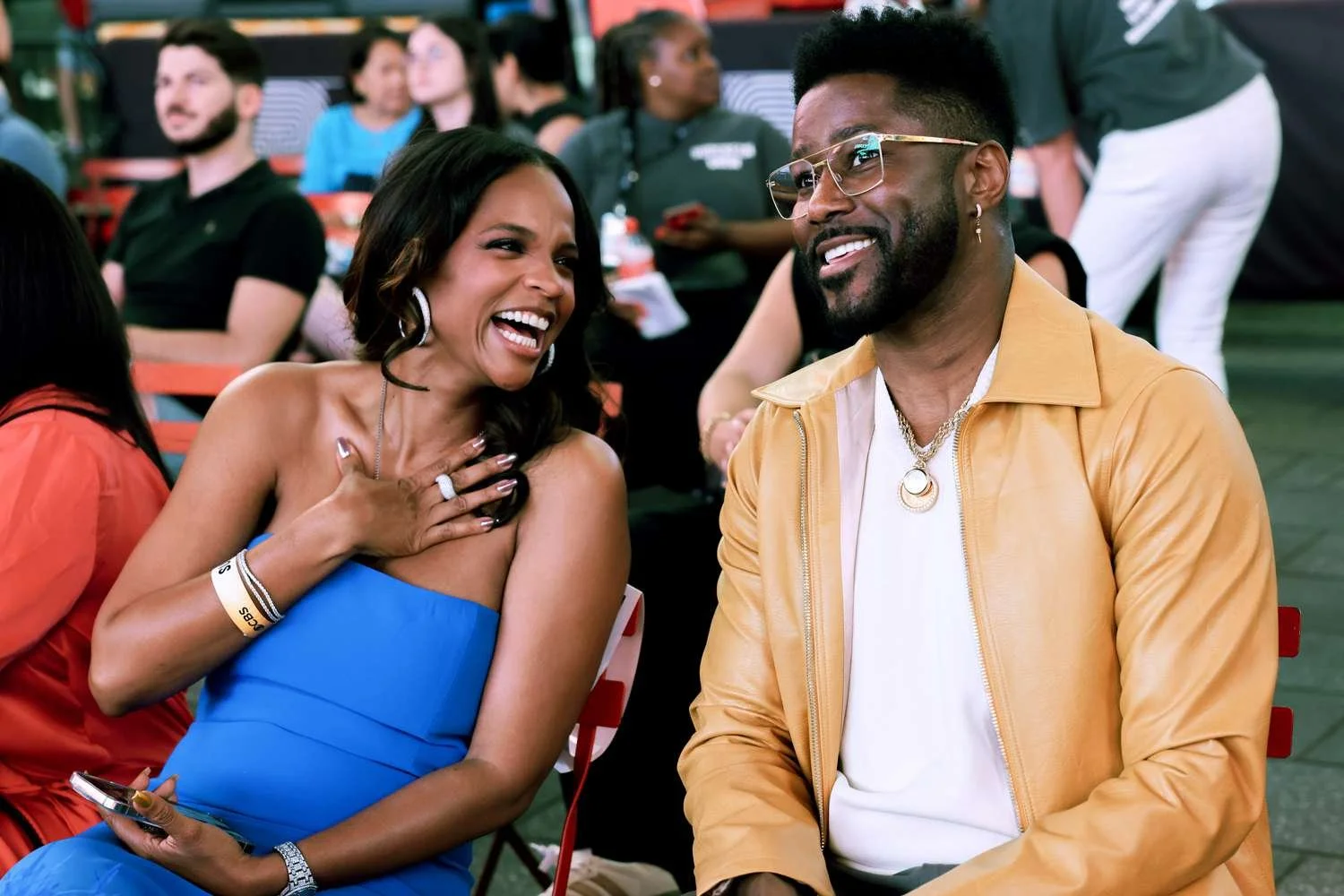
Introduction
Nate Burleson has emerged as one of the most recognizable figures in sports broadcasting today. Initially known for his time as a wide receiver in the NFL, Burleson’s transition to a media career has garnered attention and respect. His unique insights and charismatic presence make him a significant player in the sports analysis landscape. With the rise of social media and broadcasting platforms, understanding the trajectory and influence of figures like Burleson is crucial for fans and aspiring professionals.
Burleson’s NFL Career
Nate Burleson was drafted by the Minnesota Vikings in the 2003 NFL Draft and played for several notable teams, including the Seattle Seahawks and the Detroit Lions. Over his 11-year career, he recorded over 5,600 receiving yards and 39 touchdowns. Known for his reliable hands and route-running ability, Burleson’s contributions on the field were significant. He was particularly praised for his leadership qualities, earning respect from teammates and coaches alike.
Transition to Broadcasting
After retiring from professional football in 2014, Burleson swiftly transitioned into broadcasting. He began his media career with NFL Network, where he showcased his ability to provide engaging analysis and commentary. His dynamic personality and insightful analysis quickly gained traction, leading him to larger platforms. In 2018, Burleson joined the CBS network, where he became a co-host on “CBS Mornings,” further solidifying his presence in mainstream media.
Current Role and Impact
Today, Nate Burleson is renowned as a sports analyst, and his work has evolved to include discussions on broader societal issues within sports. He often addresses topics such as mental health, diversity in sports, and athlete activism, making him a prominent voice in not just sports discussions but also cultural dialogues. Burleson has also leveraged social media platforms, sharing his insights and engaging with fans directly.
Conclusion
Nate Burleson’s journey from NFL star to respected sports analyst exemplifies the evolving landscape of sports media. His ability to connect with audiences and provide meaningful commentary has made him an influential figure in the industry. Looking forward, Burleson is expected to continue pushing the boundaries of sports analysis while addressing relevant social issues, further solidifying his legacy both on and off the field. For fans and aspiring broadcasters, Burleson’s career serves as a testament to the potential of combining athletic prowess with effective communication skills.