
Introduction
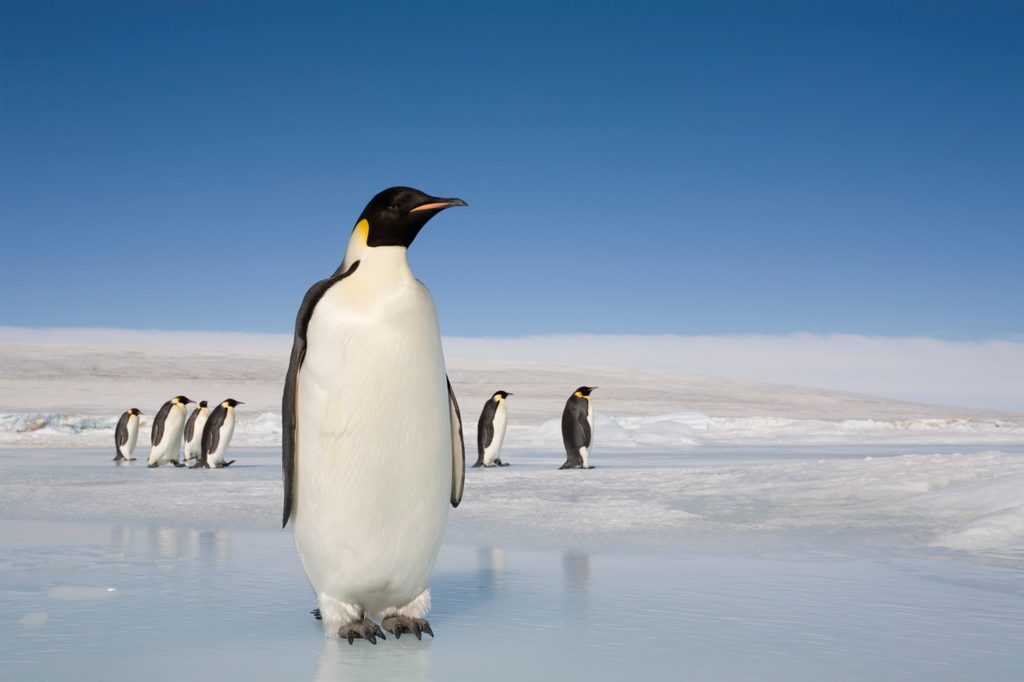
Penguins have captivated the hearts of people around the world with their unique appearance and behaviors. These flightless birds are primarily found in the Southern Hemisphere and are a key indicator of the health of marine ecosystems. The significance of penguin conservation extends beyond their charm; it is critical for maintaining biodiversity and ensuring the health of ocean habitats. With rising threats from climate change, habitat destruction, and overfishing, the urgency for conservation initiatives has never been greater.
The Current Situation
According to recent studies, several penguin species are facing significant threats. The International Union for Conservation of Nature (IUCN) reports that 13 species of penguins are currently classified as threatened or endangered. The population of the African penguin, for instance, has declined by over 60% in the past 30 years due to habitat loss, fishing competitions, and climate fluctuations. Similarly, the Galapagos penguin, one of the rarest species, is experiencing challenges due to changes in ocean temperatures impacting food availability.
Conservation organizations are stepping up to address these critical issues. The Penguin Conservation Project, along with various wildlife organizations, has initiated several programs aimed at protecting penguin habitats, rehabilitating injured penguins, and mobilizing awareness campaigns. These programs also focus on educating local communities about the importance of sustainable practices that can help safeguard penguin populations.
Recent Initiatives and Successes
One notable success is seen in New Zealand with their efforts to protect the endangered yellow-eyed penguin. The New Zealand Department of Conservation (DOC) has implemented predator control measures that have markedly increased chick survival rates. This strategy involves community involvement and has resulted in a 40% increase in the breeding population over recent years.
Furthermore, programs like the Penguin Plunge in various aquariums have helped raise funds for research and conservation projects. Such initiatives not only provide insights into penguin behavior and ecology but also foster a sense of responsibility among the public.
Conclusion
As we move forward, the significance of penguin conservation cannot be understated. The ongoing threats require a collaborative approach involving governments, NGOs, and individuals to create a sustainable future for these charming birds. Continued awareness and support for conservation projects are essential. By investing effort into these initiatives, we not only help preserve penguins but also the overall health of marine ecosystems, benefiting biodiversity for generations to come.