
Introduction
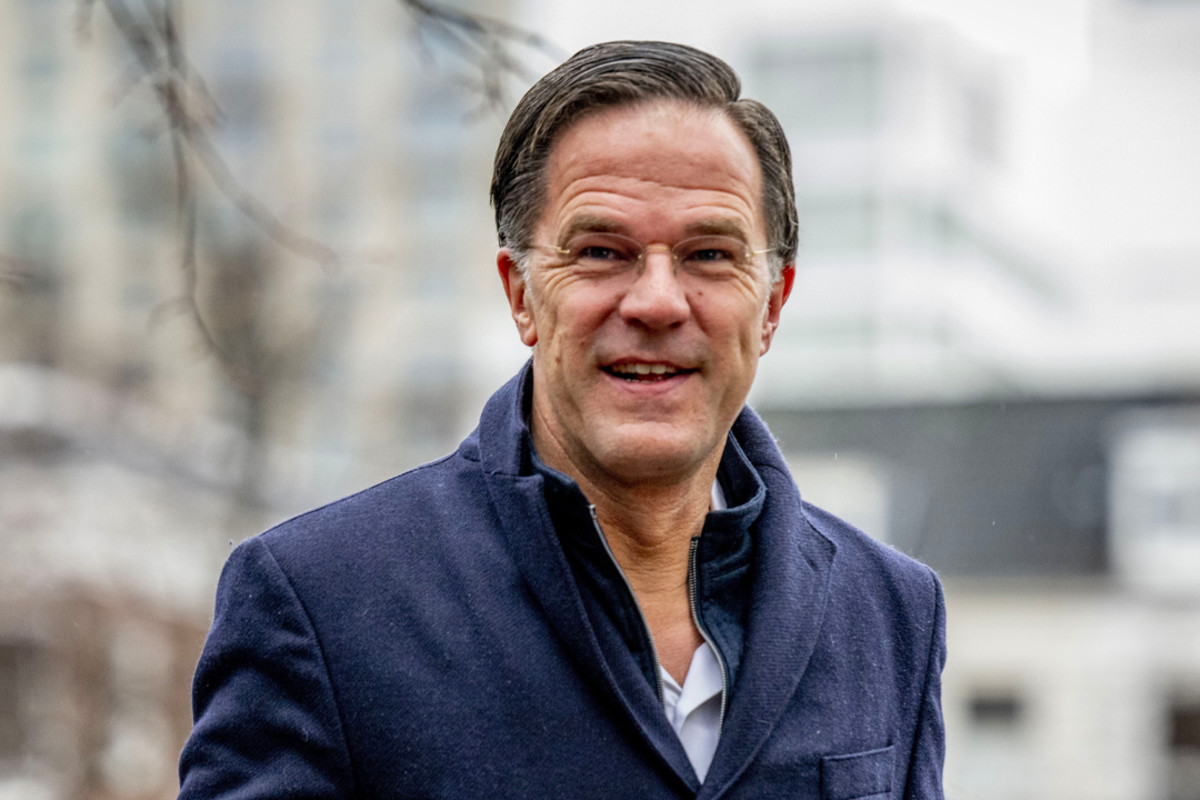
Mark Rutte, the Prime Minister of the Netherlands since 2010, has played a pivotal role in shaping Dutch politics and policy over the last decade. His tenure has been marked by significant challenges, including economic recovery, social issues, and his handling of the COVID-19 pandemic. Understanding Rutte’s leadership provides insight into contemporary European political dynamics and governance.
Political Background
Rutte, born on February 14, 1967, in The Hague, has been a member of the People’s Party for Freedom and Democracy (VVD) since his youth. He first entered politics in 2002, and after serving in various governmental roles, he ascended to the Prime Minister’s office. Under Rutte’s leadership, the VVD has become one of the dominant political parties in the Netherlands, advocating for free-market policies and liberal principles.
Key Achievements
Throughout his time in office, Rutte has overseen several key accomplishments. His government has focused on economic growth, reducing unemployment rates, and managing a balanced national budget. Rutte’s administration has also prioritized investments in technology and sustainability, pushing for the Netherlands to become a leader in green energy by 2030.
Handling the COVID-19 Pandemic
The COVID-19 pandemic presented one of the most significant tests of Rutte’s leadership. His government implemented a series of lockdowns and health measures that received mixed reviews from the public. While his administration was praised for its swift action in obtaining vaccines, it faced backlash regarding the handling of restrictions and their impact on businesses and civil liberties.
Future Prospects
As Rutte approaches the final years of his current term, he faces growing opposition and calls for change, particularly from younger generations concerned about issues such as climate change and social justice. In the latest polls, dissatisfaction with the government’s policies on these topics has been noted. Rutte’s leadership style—characterized by pragmatism and coalition-building—will be crucial as he navigates these challenges in order to secure his legacy.
Conclusion
Mark Rutte’s impact on the Netherlands is significant, with his 13 years of service shaping both the domestic and international perception of Dutch politics. As he continues to lead amidst evolving challenges, his policies will undoubtedly influence the country’s direction and the broader European landscape. Observers will be keen to watch how he addresses emerging issues and maintains his coalition’s stability in the years to come.