
Introduction
The Nipah Virus, known for its high fatality rate and potential for outbreaks, remains a significant public health concern in India. As we enter 2026, the urgency to understand and combat this viral threat is more critical than ever, especially in light of past outbreaks. India has faced several Nipah virus outbreaks with varying levels of impact, leading to heightened awareness and preparedness measures in recent years.
Current Status and Outbreak History
The Nipah virus, first identified in 1998 during an outbreak in Malaysia, has since emerged in several regions. In India, outbreaks have primarily occurred in the southern state of Kerala. The most recent major outbreak occurred in 2018, resulting in a series of fatalities that raised alarm among health authorities and the general public alike.
As of 2026, experts are monitoring the situation closely in India, particularly during the monsoon season, which is conducive to the virus’s transmission through fruit bats and contaminated food. Public health campaigns aim to educate communities on preventive measures, including avoiding contact with infected animals and practicing good hygiene.
Government Response and Preventive Measures
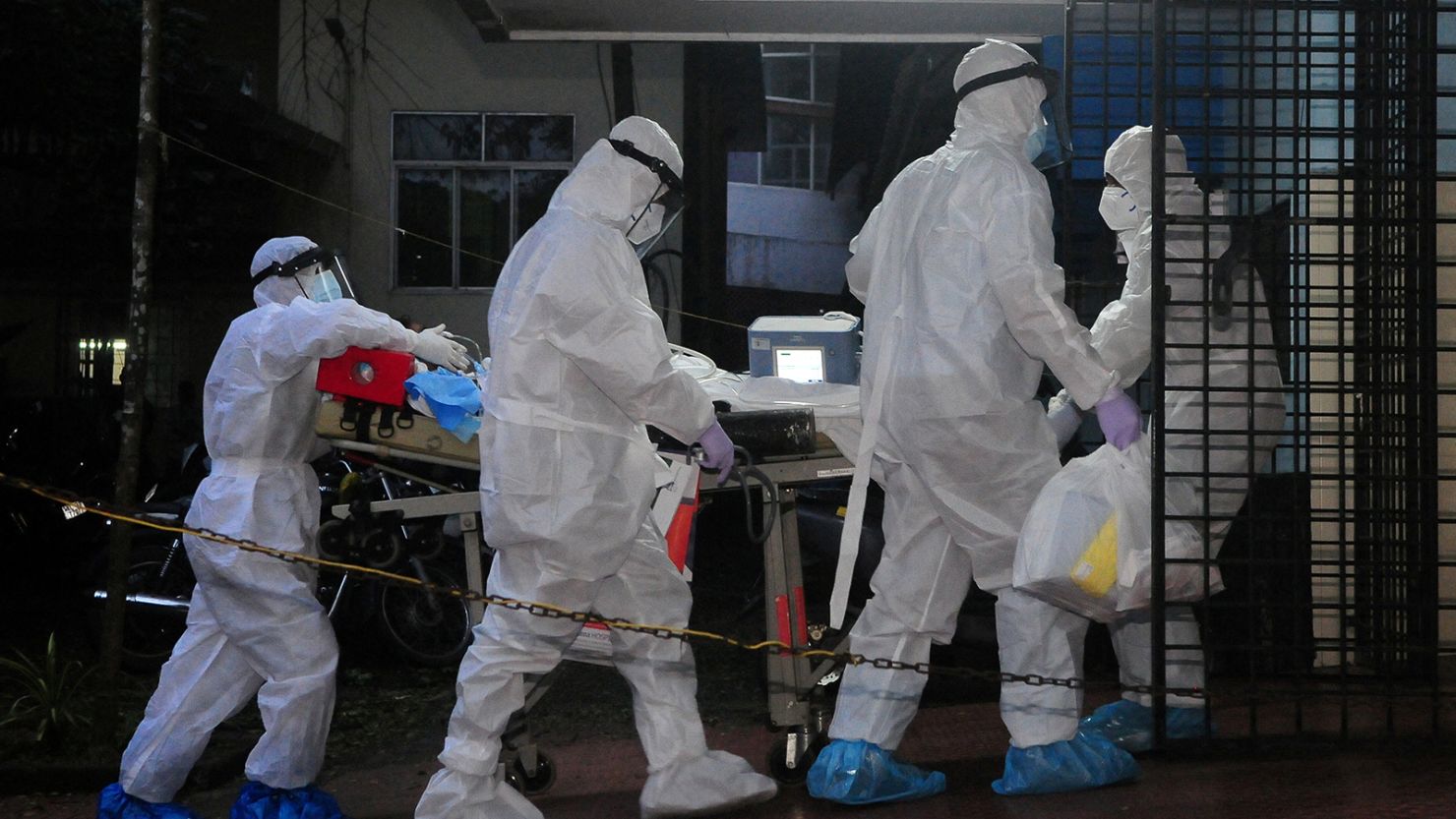
The Indian government has set up several initiatives to tackle the Nipah virus threat effectively. Surveillance systems have been enhanced in high-risk areas, and health care facilities have been fortified to manage potential cases swiftly. Moreover, the establishment of rapid response teams aims to contain outbreaks before they escalate.
Vaccination research is ongoing, with scientists testing potential vaccines to provide immunity against Nipah virus infection. The collaboration between health organizations and academic institutions is vital in these efforts, ensuring swift development and distribution should an outbreak occur.
Conclusion
The Nipah virus remains a lurking threat in India as we navigate through 2026. Continuous vigilance, public education, and government preparedness will be crucial in mitigating the risks associated with this virus. Health authorities urge citizens to stay informed and proactive in protecting themselves from potential outbreaks. With robust monitoring and preventive strategies, India aims to significantly reduce new cases and safeguard public health against this deadly virus.