
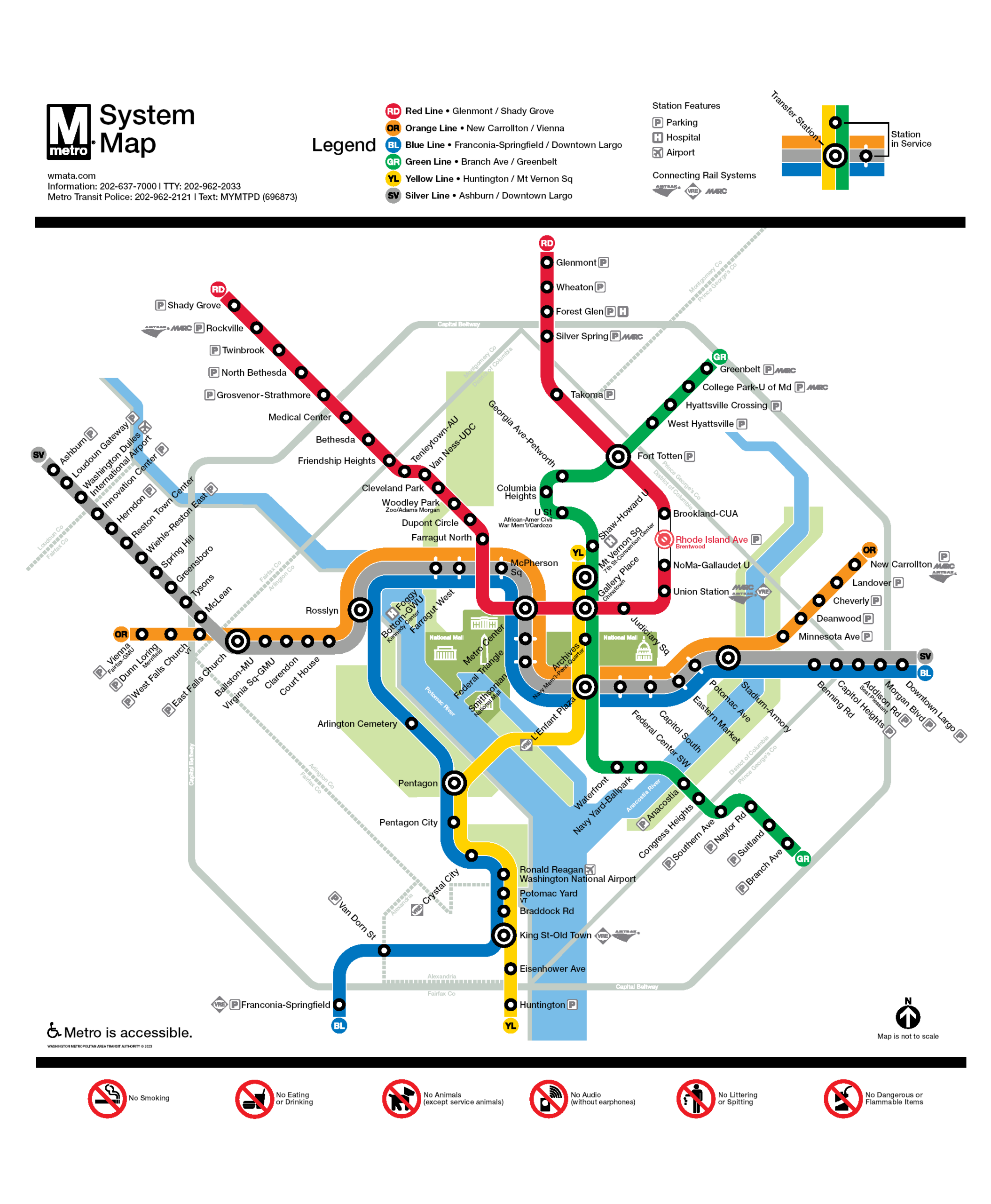
Introduction to WMATA
The Washington Metropolitan Area Transit Authority (WMATA) plays a crucial role in providing public transportation services in the Washington, D.C. metropolitan area. With a wide-ranging network of buses and trains, WMATA facilitates the daily commutes of thousands of residents and visitors, making it a vital component of the region’s infrastructure. Understanding its current operations, recent updates, and future enhancements is essential for anyone who relies on this system.
Recent Developments
As of late 2023, WMATA has announced several key updates aimed at improving service reliability and safety. After several years of budget challenges and operational setbacks, the authority has secured increased funding from local governments, allowing for essential maintenance upgrades and service expansions. WMATA recently rolled out a new communication system for tracking buses in real time, significantly enhancing the user experience. According to WMATA, this initiative intends to reduce wait times and provide passengers with timely updates regarding their travel options.
New Initiatives and Community Engagement
In addition to technological advancements, WMATA is also focusing on community engagement. Public forums are being held to gather feedback on proposed route changes and service enhancements. One such initiative includes the revival of late-night bus services that had been suspended during the pandemic. This decision has been met with enthusiasm from late-night workers and entertainment-seekers who rely on public transport during off-peak hours.
Conclusion: The Future of WMATA
As WMATA continues to evolve, the focus remains on creating a safer, more efficient, and user-friendly transit system. With ongoing investment and community involvement, the outlook for WMATA is positive. Commuters can expect enhancements in service quality, including fewer delays, better route options, and improved facilities. For residents and visitors alike, staying informed about these developments will be crucial for navigating the D.C. transportation landscape effectively. The commitment of WMATA to adapt and improve not only benefits daily commuters but also contributes to the overall economic health and accessibility of the Washington, D.C. area.