
Introduction
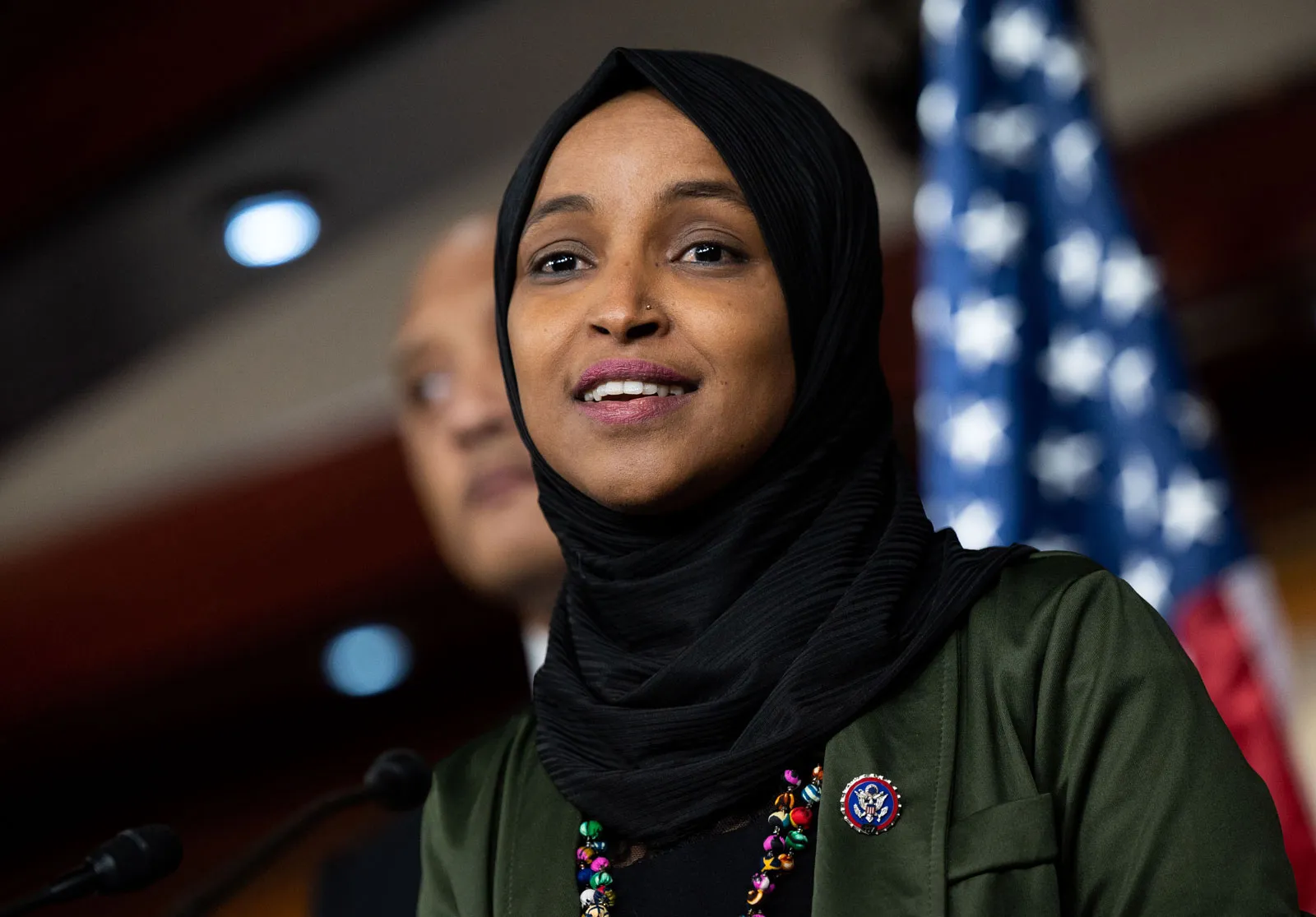
Ilhan Omar, a prominent member of the U.S. House of Representatives, has become a significant figure in American politics since her election in 2018. As one of the first two Muslim women elected to Congress, Omar’s rise to prominence has sparked conversations surrounding diversity, representation, and advocacy for progressive policies in the United States. Her experiences as a Somali refugee and her commitment to social justice have resonated with many, making her a noteworthy leader in today’s political landscape.
Background and Career
Born in Somalia and immigrating to the United States at a young age, Omar has often emphasized her journey as a symbol of resilience and hope for marginalized communities. Before her congressional career, she served in the Minnesota House of Representatives, where she championed affordable housing, healthcare access, and education reform. Her progressive agenda has been a focal point of her political identity and has attracted both support and criticism from various factions within the political spectrum.
Key Initiatives and Legislative Efforts
Throughout her time in Congress, Omar has focused on a range of issues, including immigration reform, climate change, and racial equity. She has been a vocal advocate for the Green New Deal and has pushed for policies aimed at reducing systemic inequalities in healthcare and education. As a member of the House Foreign Affairs Committee, Omar has also made headlines with her stances on U.S. foreign policy, particularly relating to Israel and Palestine, which have ignited discussions on anti-Semitism and the rights of Palestinians.
Recent Developments
In recent months, Omar has continued to be a central figure in debates surrounding social justice and civil rights, especially following the resurgence of the Black Lives Matter movement and growing calls for police reform. Her outspoken nature has kept her in the national spotlight, resulting in both passionate support and significant backlash from opponents. As the 2024 election approaches, Omar remains a vital part of the discourse regarding progressive politics and the future of the Democratic Party.
Conclusion
Ilhan Omar’s journey and contributions to American politics illustrate the increasing importance of diverse voices in legislative discussions. As she continues to advocate for progressive changes and confront various challenges, her role could shape the direction of future policy and activism. Observers will be keenly watching her impact, both within her district in Minnesota and on the national stage, as she represents the evolving demographics of the United States and champions issues that resonate with a broad spectrum of Americans.