
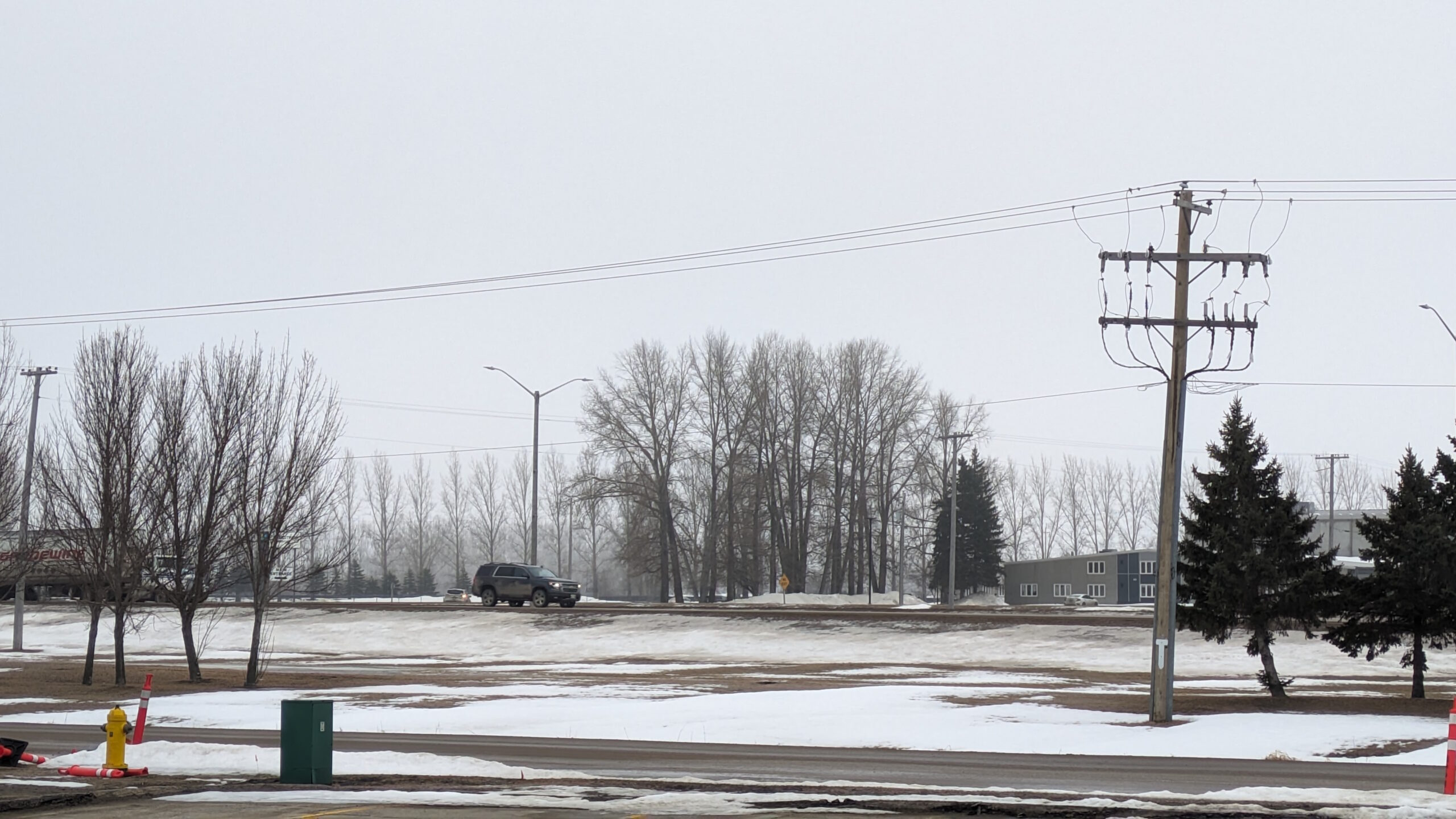
Introduction to Freezing Fog Advisories
As winter approaches, weather phenomena like freezing fog are becoming increasingly relevant and pose various challenges for commuters and outdoor enthusiasts. A freezing fog advisory is issued by meteorological authorities to inform the public about potential hazards associated with freezing fog, which can lead to unpredictable conditions on roadways and trails. Awareness of such advisories is crucial for ensuring safety during the colder months.
What is Freezing Fog?
Freezing fog occurs when the air temperature is at or below 32 degrees Fahrenheit, while moisture in the air condenses into tiny water droplets that freeze upon contact with surfaces. This results in a layer of ice forming on roadways, sidewalks, and trees, often creating hazardous situations for drivers and pedestrians alike. The National Weather Service (NWS) typically issues freezing fog advisories when conditions allow for persistent freezing fog formation, which can significantly reduce visibility and create slick surfaces.
Current Freezing Fog Advisories
As of this week, several regions across the Midwest and Northeast United States are under freezing fog advisories. The NWS has reported decreased visibility in these areas, with some regions experiencing visibility as low as one-quarter of a mile. Drivers are reminded to exercise caution and adjust their travel plans accordingly. Areas affected include parts of Wisconsin, Minnesota, and Northern New York. Roads may become particularly treacherous during early morning and late evening hours when fog tends to linger.
Safety Tips During Freezing Fog Conditions
To ensure safety during freezing fog advisories, individuals are encouraged to adhere to the following tips:
- Reduce Speed: Slow down while driving to maintain better control of the vehicle on icy roads.
- Increase Distance: Allow for extra stopping distance between vehicles to prevent accidents.
- Use Headlights: Turn on headlights to improve visibility for yourself and other drivers.
- Avoid Unnecessary Travel: If possible, stay indoors until conditions improve.
Conclusion
Freezing fog advisories play an instrumental role in informing the public about hazardous winter weather. Staying informed and taking precautions are essential for safety during these conditions. As winter progresses, it is vital to remain aware of weather forecasts and advisories in your area. Authorities expect conditions may subside in areas currently under advisory within the next few days. However, ongoing vigilance is essential as winter weather patterns can change rapidly.