
Introduction to Freeze Warnings
As winter approaches, freeze warnings become essential alerts for millions across the United States. These warnings signify the potential for plummeting temperatures that can endanger crops, wildlife, and even human health. With forecasts predicting a harsh winter season ahead, understanding the implications of freeze warnings is crucial for ensuring safety and preparedness.
What is a Freeze Warning?
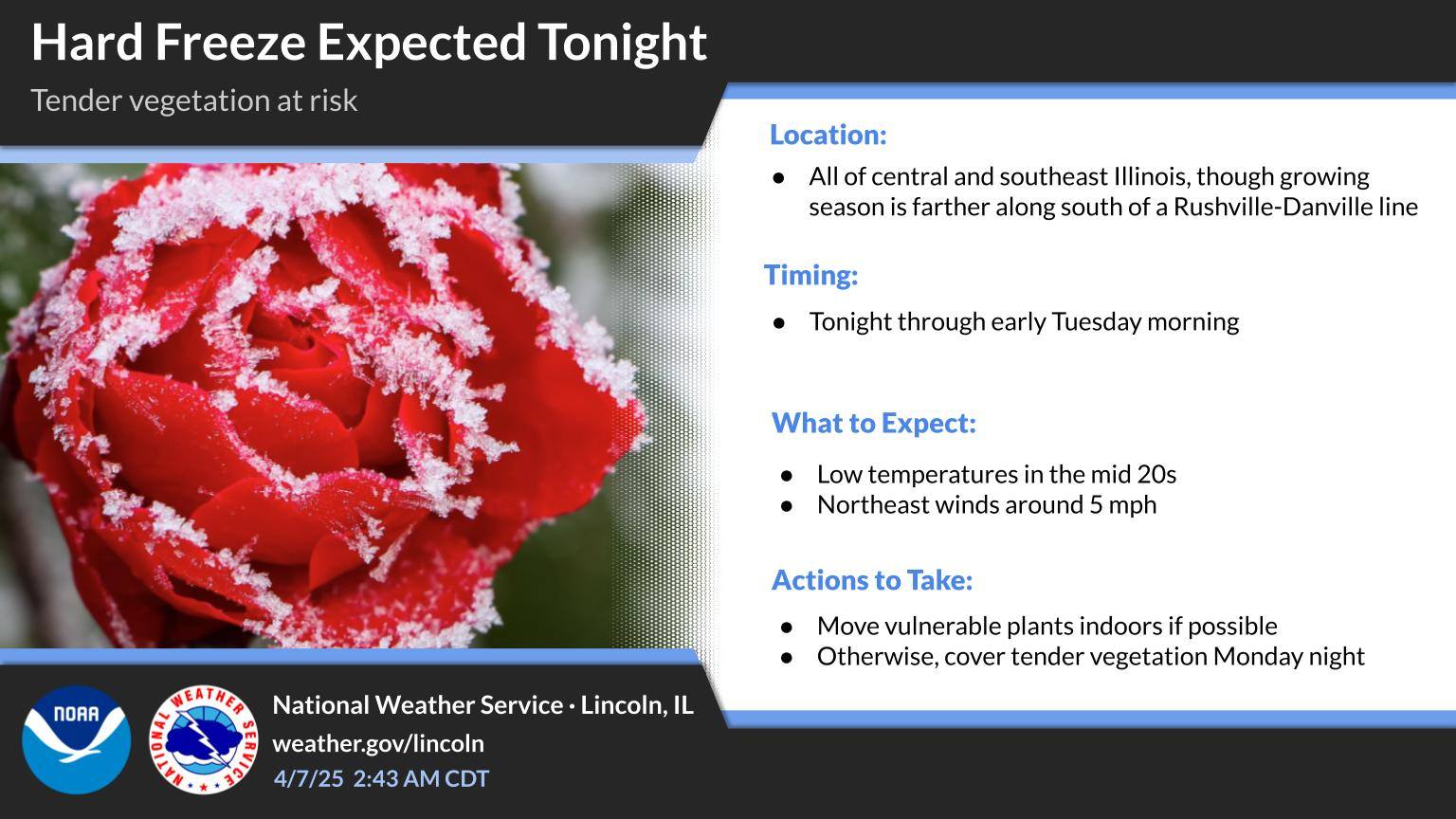
A freeze warning is issued by the National Weather Service (NWS) when temperatures are expected to drop below 32 degrees Fahrenheit (0 degrees Celsius). This warning alerts the public about the potential damage to unprotected outdoor plants as well as the increased risk for hypothermia or frostbite for individuals exposed to the elements. The recent increase in extreme weather events has made these warnings even more significant.
CURRENT EVENTS: Increasing Frequency of Freeze Warnings
According to the NWS, the frequency of freeze warnings has increased significantly over the past few years. In October 2023, several states, including Texas, Oklahoma, and parts of the Midwest, experienced sudden drops in temperature, prompting freeze warnings as early as late October. Experts attribute these fluctuations to climate change, which has contributed to more erratic weather patterns.
Impacts of Freeze Warnings
Freeze warnings can have wide-ranging impacts. For farmers, unanticipated frost can damage crops, leading to financial losses. Similarly, homeowners may face issues with plumbing and heating systems as pipes freeze and burst in extremely low temperatures. Additionally, vulnerable populations, such as the elderly or homeless, may be at risk during these periods if they are not adequately sheltered and warmed.
Preparation Tips
To prepare for an impending freeze warning, individuals and communities should consider the following steps: 1. Protect Your Plants: Cover sensitive plants with blankets or burlap to shield them from frost. 2. Insulate Pipes: Use foam insulation on pipes to prevent freezing. 3. Check Heating Systems: Ensure your home heating systems are functioning properly before the cold sets in. 4. Stay Informed: Monitor weather updates and heed advice from local authorities.
Conclusion
As the climate evolves and freeze warnings become more prevalent, being educated and prepared for cold weather events is vital. Understanding the significance of these warnings can help mitigate the risks associated with low temperatures, from crop damage to personal safety. By taking proactive steps to prepare, individuals can protect both their property and health, ensuring they remain safe during the winter months ahead.