
Introduction
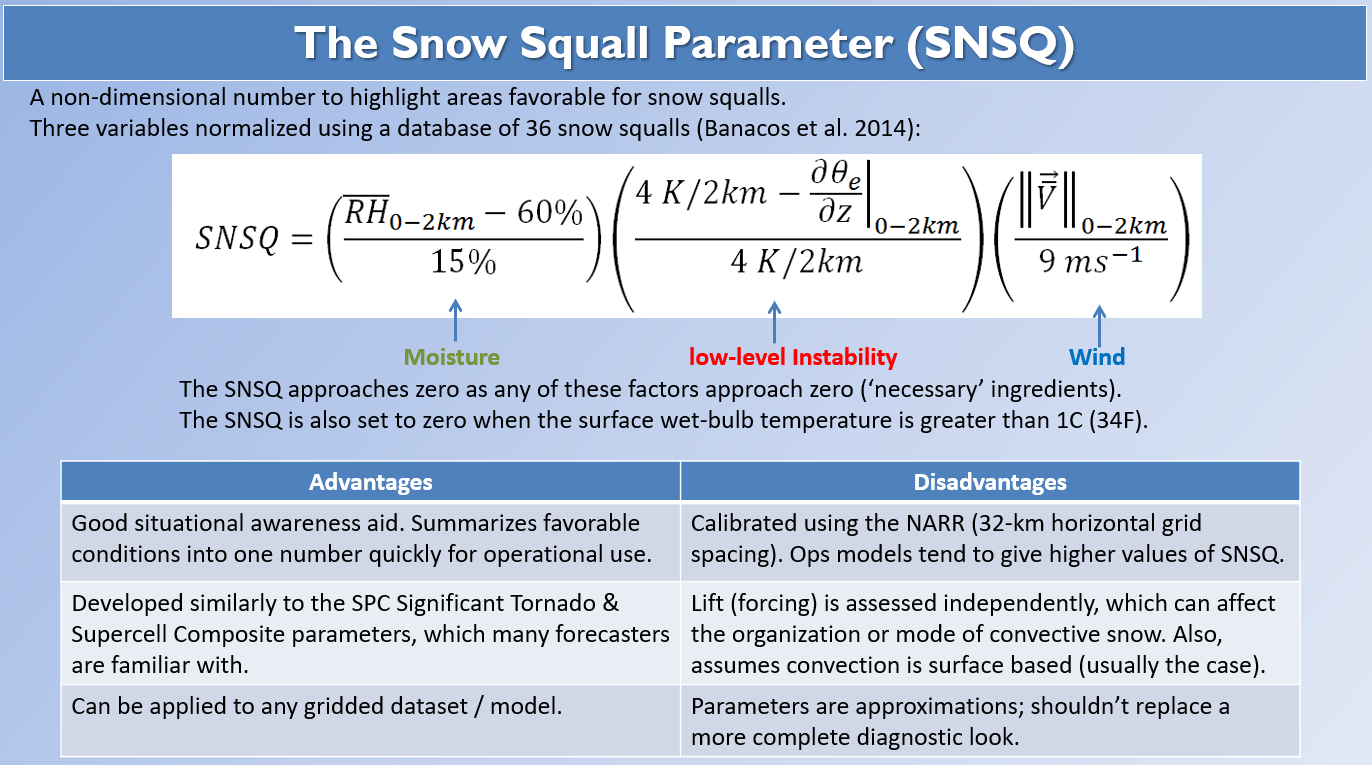
Snow squalls are brief but intense bursts of snowfall that can drastically reduce visibility and create hazardous driving conditions. These weather phenomena have drawn increasing attention due to their potential for causing accidents, injuries, and disruptions. With climate change influencing weather patterns, understanding snow squalls is vital for ensuring public safety during winter storms.
What is a Snow Squall?
A snow squall is characterized by a rapid onset of heavy snowfall, often accompanied by strong winds. These conditions can lead to quick accumulation of snow and result in icy surfaces on roads and sidewalks. Unlike traditional snowstorms that can persist for hours, snow squalls typically last for less than an hour but can be particularly dangerous due to their sudden nature.
Recent Events and Trends
In January 2023, parts of the Midwest and Northeast U.S. experienced multiple snow squalls that disrupted travel and caused numerous accidents. Authorities reported reduced visibility to near-zero in some locations and advised residents to avoid unnecessary travel. The National Weather Service (NWS) issued multiple alerts ahead of these events, emphasizing the need for caution. Experts warn that such occurrences may become more common as climate variability increases, leading to unpredictable winter weather.
Safety Measures During Snow Squalls
With snow squalls posing serious risks, here are some essential safety tips:
- Stay Informed: Monitor weather reports and alerts from the NWS, especially during winter months.
- Avoid Driving: If you hear a snow squall warning, it’s best to avoid travel until conditions improve.
- Clear Visibility: If caught in a snow squall while driving, pull over to a safe area and wait for conditions to improve.
Conclusion
As winter weather continues to evolve, snow squalls are becoming more prevalent and impactful. Understanding their characteristics and effects is crucial for public safety. By staying informed and practicing caution, individuals can significantly reduce risks associated with these harsh winter conditions. Planning for winter weather in advance might mean the difference between safety and danger during these unexpected snow events.