
Introduction
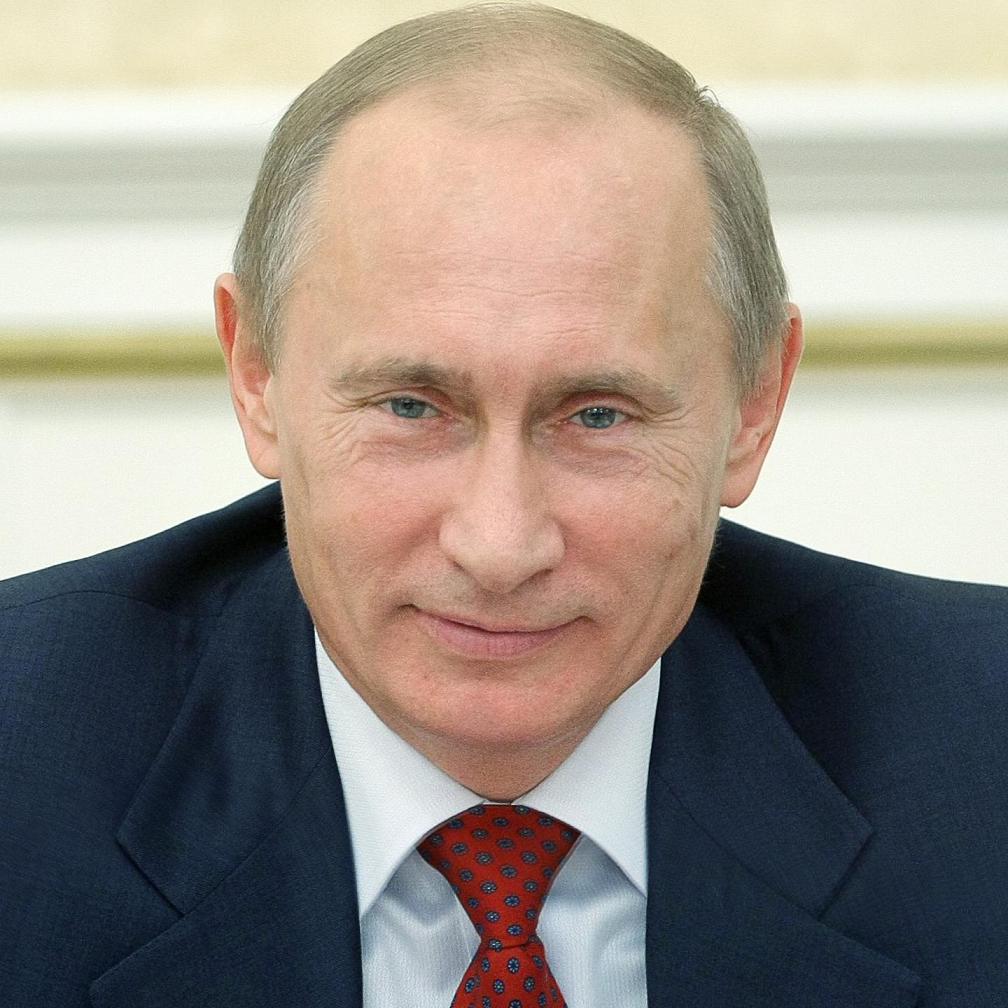
Vladimir Putin has been a central figure in global politics since he first became President of Russia in 2000. His leadership style, strategic decisions, and international relations have profound implications for countries around the world. In the light of recent events, understanding Putin’s actions and intentions has never been more critical for diplomats, analysts, and the global community.
Recent Developments
Recent news highlights a pivotal shift in Putin’s approach both domestically and internationally, especially following the invasion of Ukraine in February 2022. The conflict has led to unprecedented sanctions from Western nations and a realignment of international alliances. Putin’s strategy includes consolidating power at home, suppressing dissent, and promoting a narrative of Russian nationalism, which has garnered mixed reactions within Russia and abroad.
This year, Putin’s administration has faced challenges as well; economic sanctions have strained Russia’s economy, diminishing consumer confidence and impacting everyday life. In response, Putin has focused on fostering alliances with non-Western countries, including those in Asia and Africa, as a way to counterbalance Western influence.
Impact on Global Politics
Putin’s actions are reshaping geopolitical alliances and security dynamics. His focus on military strength while facing challenges from NATO and other Western allies has raised concerns about global security, particularly in Eastern Europe. Furthermore, the ongoing conflict has prompted discussions about energy security, as Europe traditionally relied on Russian gas supplies, leading to increased investment in alternative energy sources and partnerships.
Additionally, Putin’s efforts to engage with countries outside of the Western sphere, such as China, indicate a desire to maintain Russia’s presence on the world stage despite diminishing ties with the West. This could lead to a continuation of multipolarity, where power is distributed among several global actors rather than dominated by a single superpower.
Conclusion
In conclusion, Vladimir Putin remains a formidable political figure whose policies and strategies have significant consequences for international relations and global stability. As the situation continues to evolve, nations must stay aware and responsive to Putin’s actions to navigate the complexities of contemporary global politics effectively. Understanding his motivations and objectives will be crucial for making informed decisions that resonate with peace and security worldwide.