
Introduction
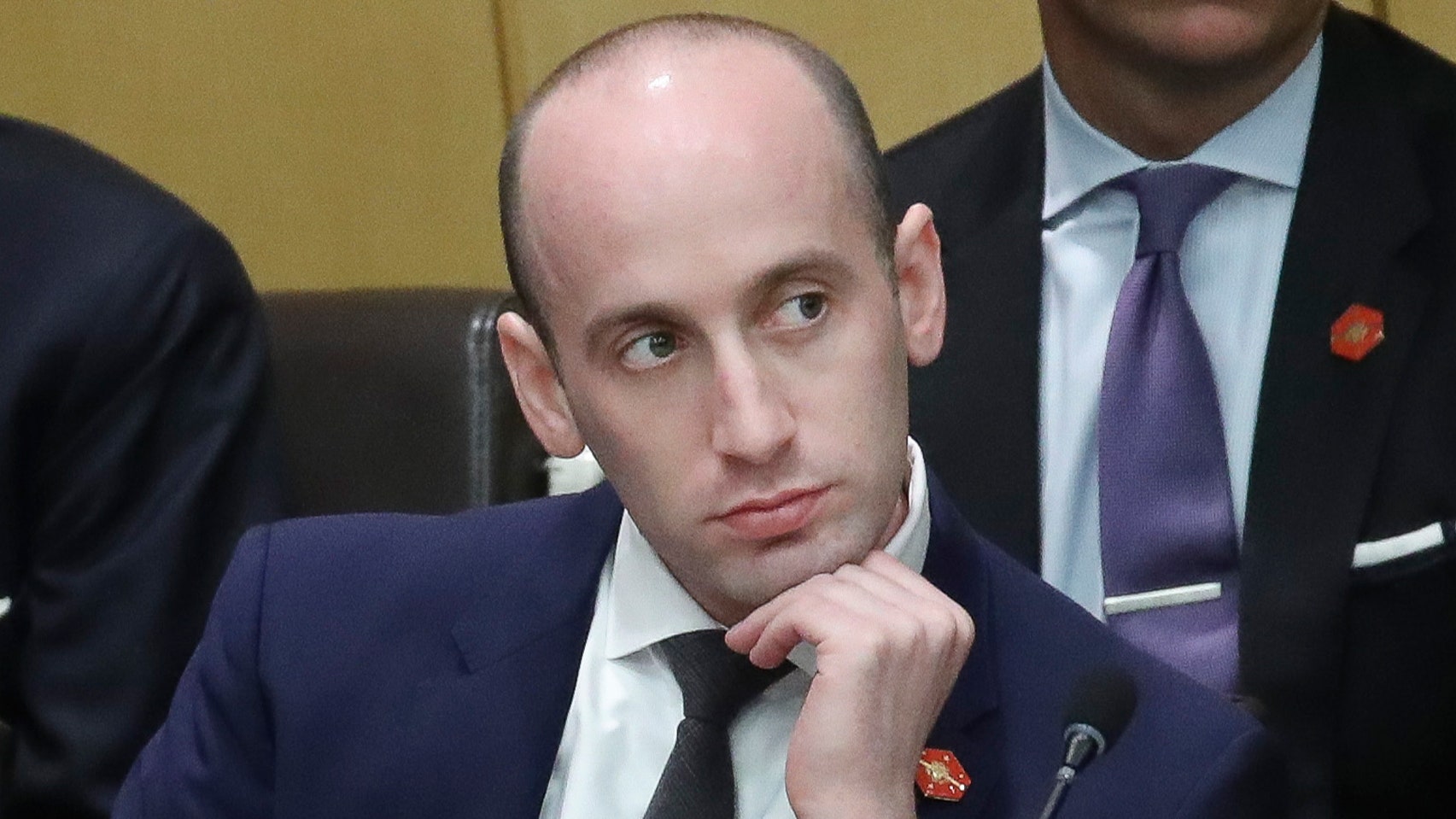
Stephen Miller, a senior advisor to former President Donald Trump, has been a polarizing figure in American politics, particularly regarding immigration policy. His influence on the Trump administration’s strict immigration stance has sparked widespread debate and analysis within political circles and among the general public. As the debate around immigration reform continues in the United States, Miller’s strategies and ideologies remain relevant and worthy of examination.
Miller’s Background and Rise to Prominence
Born on August 23, 1985, in Santa Monica, California, Stephen Miller graduated from Duke University in 2007. He began his political career as the communications director for California Congressman John Campbell. Miller’s hardline views on immigration gained national attention during his time working for Trump’s presidential campaign in 2016. His role as a key architect of Trump’s immigration policies, particularly the travel ban affecting predominantly Muslim countries, solidified his reputation as a formidable figure in the administration.
Key Policies and Actions
During his tenure in the Trump administration, Miller was instrumental in formulating several controversial policies. The most notable among them were:
- Travel Ban: Miller played a significant role in the implementation of the travel ban, which restricted entry into the United States from several countries.
- Family Separation Policy: He supported the policy that resulted in the separation of thousands of families at the U.S.-Mexico border, a move that drew widespread condemnation.
- Merit-Based Immigration: Advocating for a shift towards a merit-based immigration system, Miller’s proposals aimed to reduce the number of low-skilled immigrants entering the country.
Public Response and Political Impact
Miller’s policies have elicited strong reactions from various sectors, including human rights organizations, which condemned his approach to immigration as aggressive and inhumane. His involvement in shaping these policies has made him a figure of controversy, often facing accusations of promoting racist and xenophobic agendas.
Conclusion
As the Biden administration navigates its own immigration reform efforts, the legacy of Stephen Miller’s policies continues to affect discussions surrounding immigration in America. Analyzing Miller’s actions provides insight into the ongoing political discourse and public sentiments regarding immigration, highlighting the significance of this issue in the national landscape. As immigration remains a key focus area, understanding figures like Miller can help inform future policies and debates.