
Introduction
As tax season approaches, many Americans eagerly await their tax refunds, with the process often causing confusion and anxiety. Knowing where your refund is and how to track it can help taxpayers to plan their finances accordingly and alleviate uncertainty. Understanding this process is especially crucial in a time when economic conditions are unpredictable and many rely on their refunds for essential expenses.
Understanding the Refund Process
Once taxpayers submit their tax returns, the IRS starts processing them, typically taking around 21 days for e-filed returns and longer for paper files. In 2023, the IRS reported a surge in electronic submissions, which has aided in expediting the overall refund process. However, unexpected delays can occur, often caused by incomplete filings, additional verification steps, or even last-minute tax law changes that may require additional scrutiny.
Tracking Your Refund Status
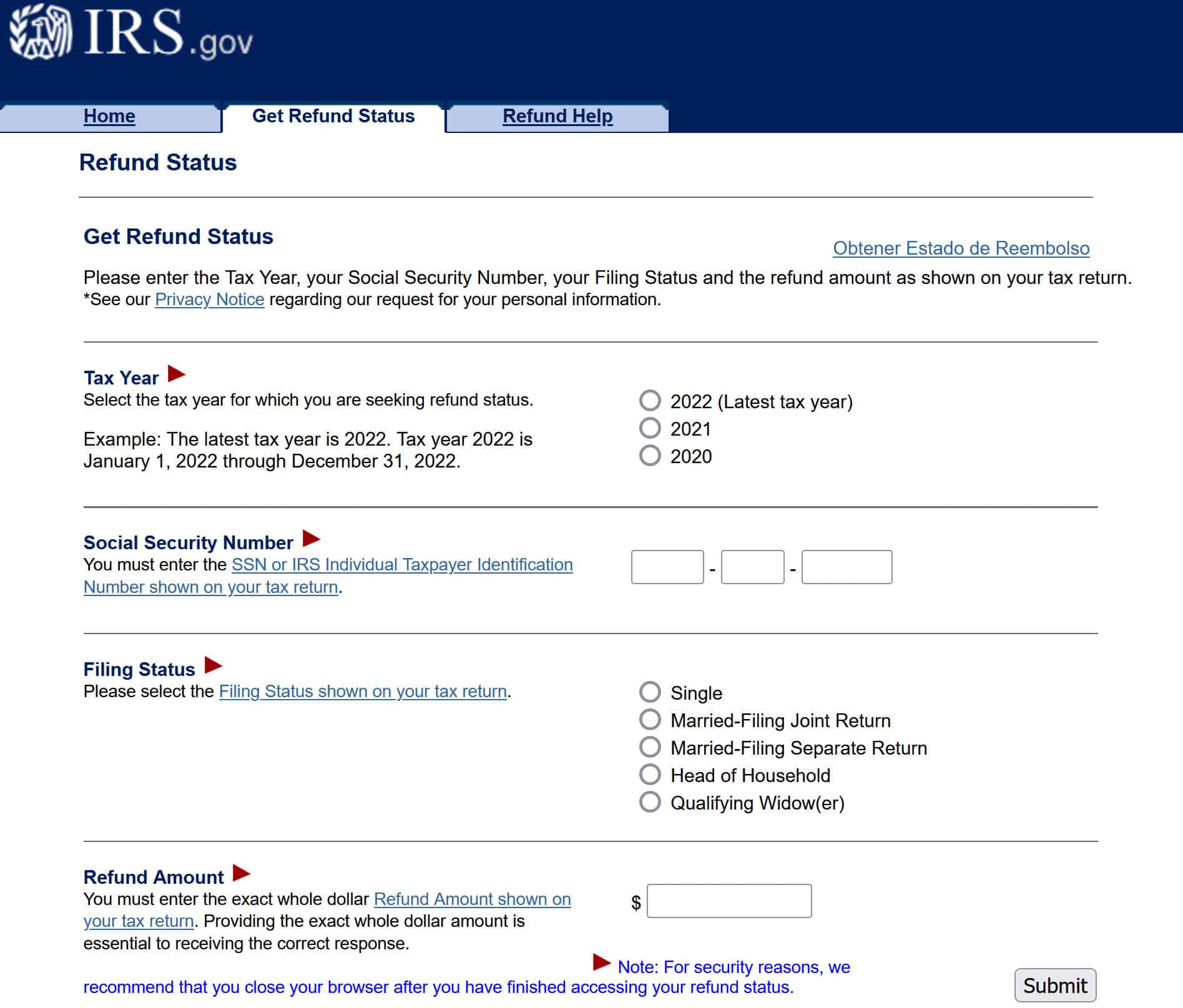
The IRS provides a convenient tool called “Where’s My Refund?” that allows taxpayers to track the status of their refunds in real-time. To access this tool, taxpayers need their Social Security number, filing status, and the exact amount of their expected refund. This online tool is updated daily and offers three statuses: “Return Received,” “Refund Approved,” and “Refund Sent.” For those who prefer mobile access, the IRS has also launched a mobile app, IRS2Go, offering similar functionalities.
Common Issues and Delays
If tracking shows delays or if the status remains unchanged for more than 21 days, taxpayers should first check for any communication from the IRS regarding their tax returns. Common issues include mismatched information and errors on the return. During previous tax seasons, taxpayers also faced delays due to additional fraud checks, especially with the rise of identity theft cases. Taxpayers are encouraged to maintain copies of all documentation submitted and to respond promptly to any IRS inquiries.
Conclusion
Understanding where your refund is and knowing how to track it effectively can ease anxiety and help individuals manage their financial planning. As the IRS continues to streamline its processes and provide updated resources, taxpayers should take advantage of the available tools to monitor their refunds actively. In the coming years, it is likely that we will see further improvements in refund processing times and transparency within the IRS systems, ensuring a smoother experience for taxpayers.