
Introduction
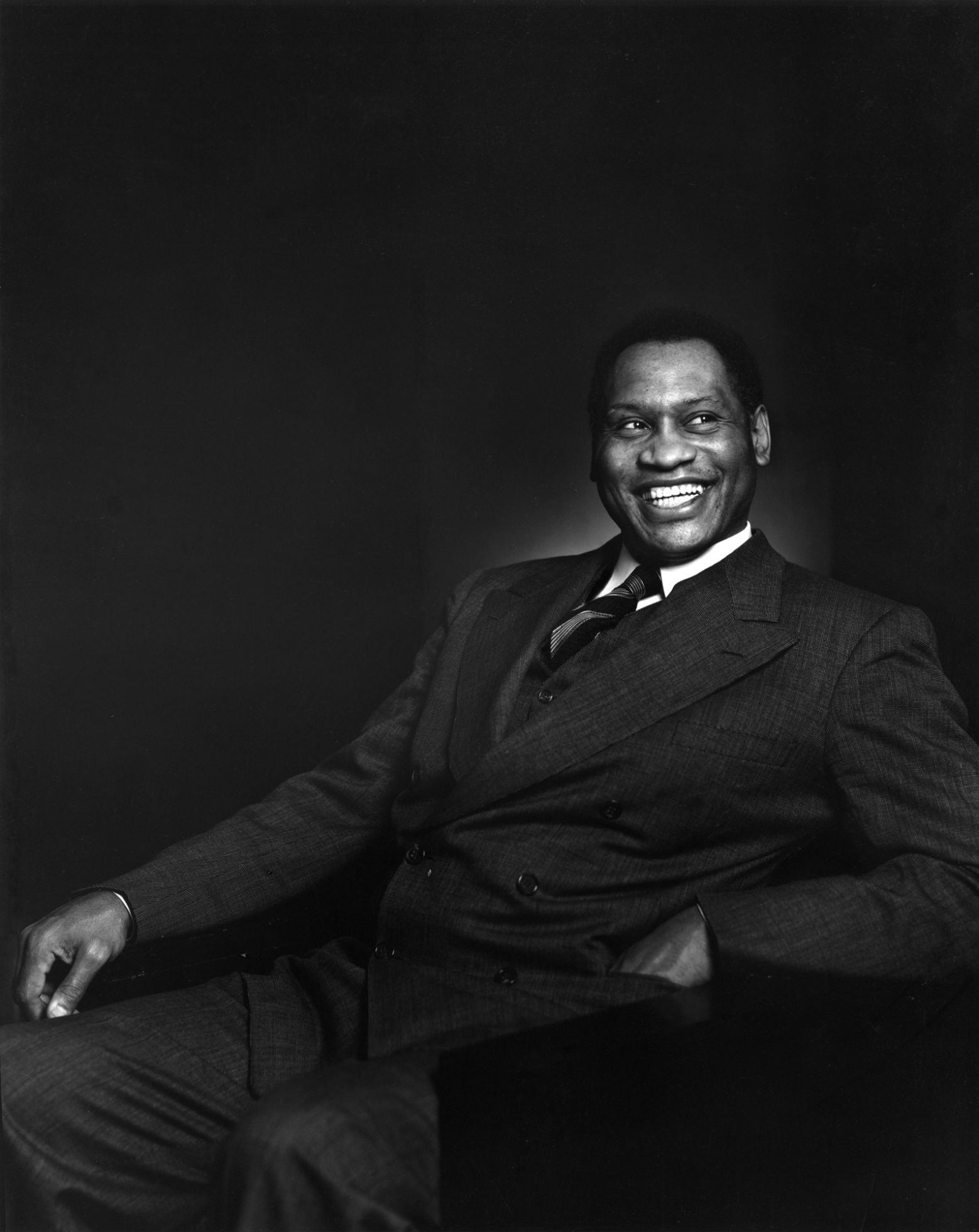
Paul Robeson was not just a gifted performer; he was a trailblazing advocate for civil rights whose influence resonates to this day. Born in 1898 in Princeton, New Jersey, he was a multi-talented individual—an accomplished actor, singer, and athlete. His commitment to social justice and human rights made him a prominent figure in both the arts and the civil rights movement. As America continues to confront issues of inequality and injustice, Robeson’s legacy offers valuable lessons and inspiration.
Robeson’s Early Life and Career
From a young age, Robeson displayed remarkable talent and intellect. He graduated as valedictorian from his high school and later received a scholarship to Rutgers University, where he excelled in academics and sports. His athletic prowess earned him fame in football, but his true calling emerged in the performing arts. Robeson became a celebrated baritone, known for his deeply resonant voice and emotive performances, particularly in roles like Shakespeare’s Othello.
Advocacy for Civil Rights
As Robeson’s fame grew in the 1920s and 1930s, so did his activism. He was outspoken on issues of racial equality, labor rights, and anti-colonialism. He used his artistic platform to challenge the status quo and advocate for the dignity of African Americans. His notable performances included singing at rallies and protests, and he notably refused to perform for segregated audiences. Amidst the burgeoning civil rights movement, Robeson became a prominent voice, using his art to fight for justice.
Political Challenges and Exile
Robeson’s activism, particularly his criticisms of the United States government and support for socialism, led to severe repercussions during the Red Scare. In 1950, he became a target of the House Un-American Activities Committee, which sought to suppress dissent during the Cold War. Facing blacklisting and the revocation of his passport, Robeson lived in self-imposed exile for nearly a decade, residing primarily in Europe. His experiences revealed the heavy price often paid for standing up against injustice.
Conclusion
Paul Robeson’s story is not just about his immense artistic talents but also about his unwavering commitment to civil rights and social justice. Today, as new generations face the challenges of inequality and discrimination, Robeson’s legacy remains a beacon of courage and integrity. His life reminds us of the power of art as a catalyst for change and the need for individuals to speak out against injustice. As we reflect on his contributions, it is crucial to honor his legacy by continuing the fight for equality and human rights.