
Introduction
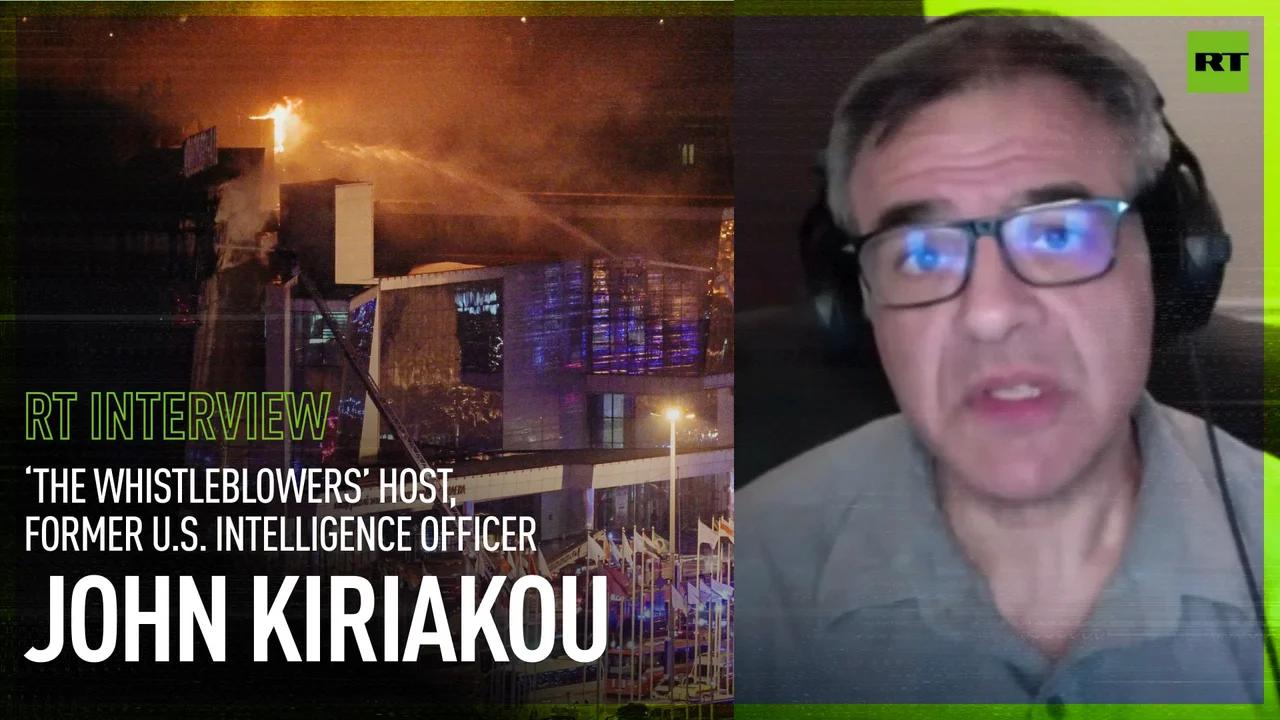
John Kiriakou, a former CIA officer, has emerged as a significant figure in discussions surrounding government transparency and accountability. His whistleblowing actions brought national attention to the use of torture in U.S. counterterrorism operations, raising ethical questions about the limits of agency practices and the protection of civil rights. Kiriakou’s story is one of courage, sacrifice, and an ongoing advocacy for justice that resonates with current conversations around whistleblowers.
Background
Born in 1964, Kiriakou served in the CIA for nearly two decades, working in various roles including as an operations officer in the agency’s counterterrorism division. However, it was his 2007 interview on ABC News that solidified his place in whistleblowing history. During this interview, Kiriakou publicly confirmed the use of waterboarding, a practice he described as torture, and named one of the agency’s operatives involved in these interrogations.
Legal Battles
Following his disclosures, Kiriakou faced a considerable backlash from the U.S. government. In 2012, he was indicted on charges of leaking classified information, which led to a two-and-a-half-year prison sentence. Kiriakou’s case ignited a debate surrounding the protection of whistleblowers and the government’s treatment of individuals who reveal wrongdoing. Advocates argue that his prosecution was part of a broader pattern of intimidation against whistleblowers.
Advocacy and Current Efforts
Since his release from prison, Kiriakou has become an outspoken advocate for reforms in intelligence agency practices and greater protections for whistleblowers. He has participated in various speaking engagements and has written extensively on issues regarding human rights, governmental transparency, and the risks faced by whistleblowers. Kiriakou’s perspective continues to be relevant as current administrations grapple with the legacy of past practices and the ethical implications of state-sponsored actions.
Conclusion
Kiriakou’s journey from CIA operative to whistleblower serves as a reminder of the crucial role that individuals play in upholding accountability within government institutions. As governmental operations continue to evolve, Kiriakou’s experiences highlight the importance of protecting those who risk everything to speak out against unethical behavior. Moving forward, the dialogue around whistleblower protections will be significant for ensuring a just and transparent society, making Kiriakou’s story not just a personal narrative but a pivotal chapter in the ongoing fight for ethical governance.