
Introduction
The Maldives, an archipelago of 1,192 coral islands, is renowned for its breathtaking beauty and crystal-clear waters. This tropical paradise is not only famous for its luxurious resorts but also for its rich marine biodiversity, making it a premier destination for travelers seeking both relaxation and adventure. As tourism continues to rebound post-pandemic, the Maldives has proven to be resilient, showcasing its importance as a key player in the global tourism industry.
The Current State of Tourism in Maldives
In recent months, the Maldives has seen a resurgence in tourism, welcoming visitors back with open arms. According to the Maldives National Bureau of Statistics, international arrivals surged by over 30% in the first half of 2023 compared to the previous year. With more than 50% of its GDP reliant on tourism, this recovery is crucial for the nation’s economy. Airlines have increased their flight frequencies, and hotels are reporting high occupancy rates, especially during peak seasons.
Key Attractions
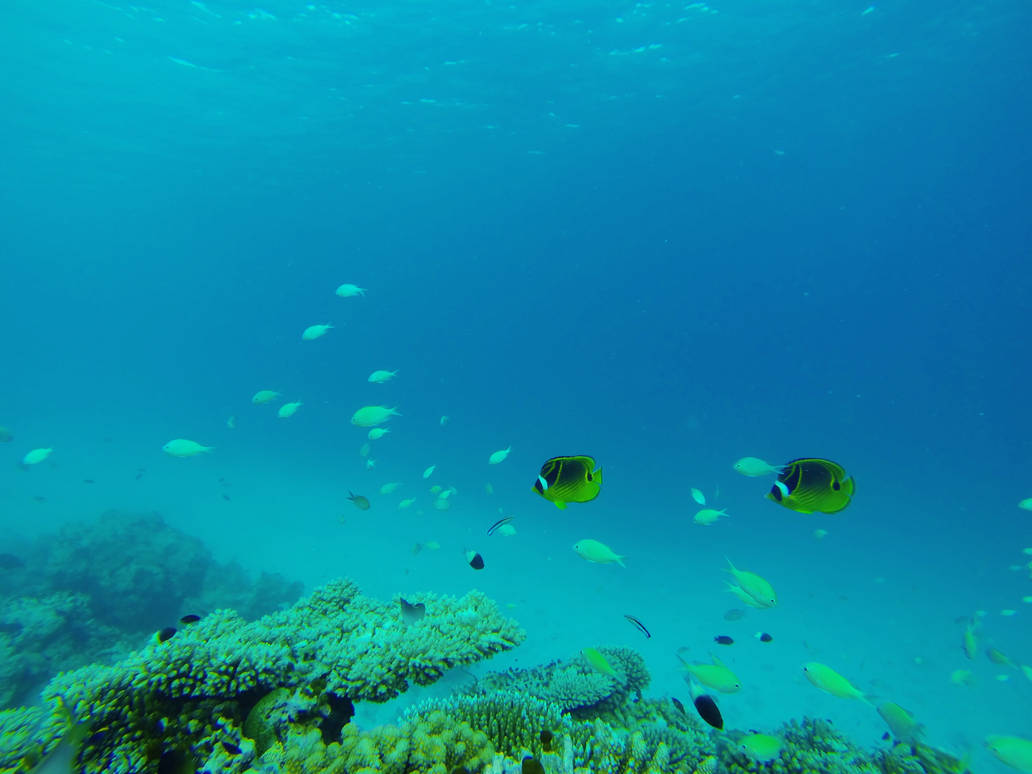
Travelers flock to Maldives for its stunning beaches and vibrant underwater life. Popular activities include diving, snorkeling, and island hopping. The capital city, Malé, offers a glimpse into local culture with its bustling markets and historic mosques. For those seeking luxury, private resorts such as Soneva Fushi and The St. Regis offer over-water bungalows and unparalleled service, making them top choices among honeymooners and affluent tourists.
Environmental Challenges
While Maldives is a sought-after destination, it faces significant environmental challenges. Climate change poses a severe threat, with rising sea levels potentially engulfing low-lying islands. The government has prioritizd sustainable tourism practices to mitigate these impacts, such as promoting eco-friendly resorts and marine conservation programs. Various initiatives aim to protect coral reefs and promote responsible tourism to ensure the islands remain a paradise for future generations.
Conclusion
The Maldives continues to enchant visitors with its stunning landscapes and vibrant culture. As the tourism sector recovers, it is essential to balance economic growth with environmental conservation. For travelers, the Maldives promises an unforgettable experience filled with natural beauty and luxury. Looking ahead, the government’s commitment to sustainable practices may set a precedent for other island nations, showcasing that it’s possible to thrive economically while preserving the planet’s treasures.