
Introduction
As one of the most prominent publicly traded companies in the world, Tesla, Inc. (TSLA) continues to attract significant attention from investors, analysts, and the media. As of October 2023, its stock performance remains a barometer for the electric vehicle (EV) market, reflecting both the company’s growth trajectory and the broader trends in renewable energy technology. Understanding TSLA’s current status is essential for both potential investors and market analysts.
Recent Stock Performance
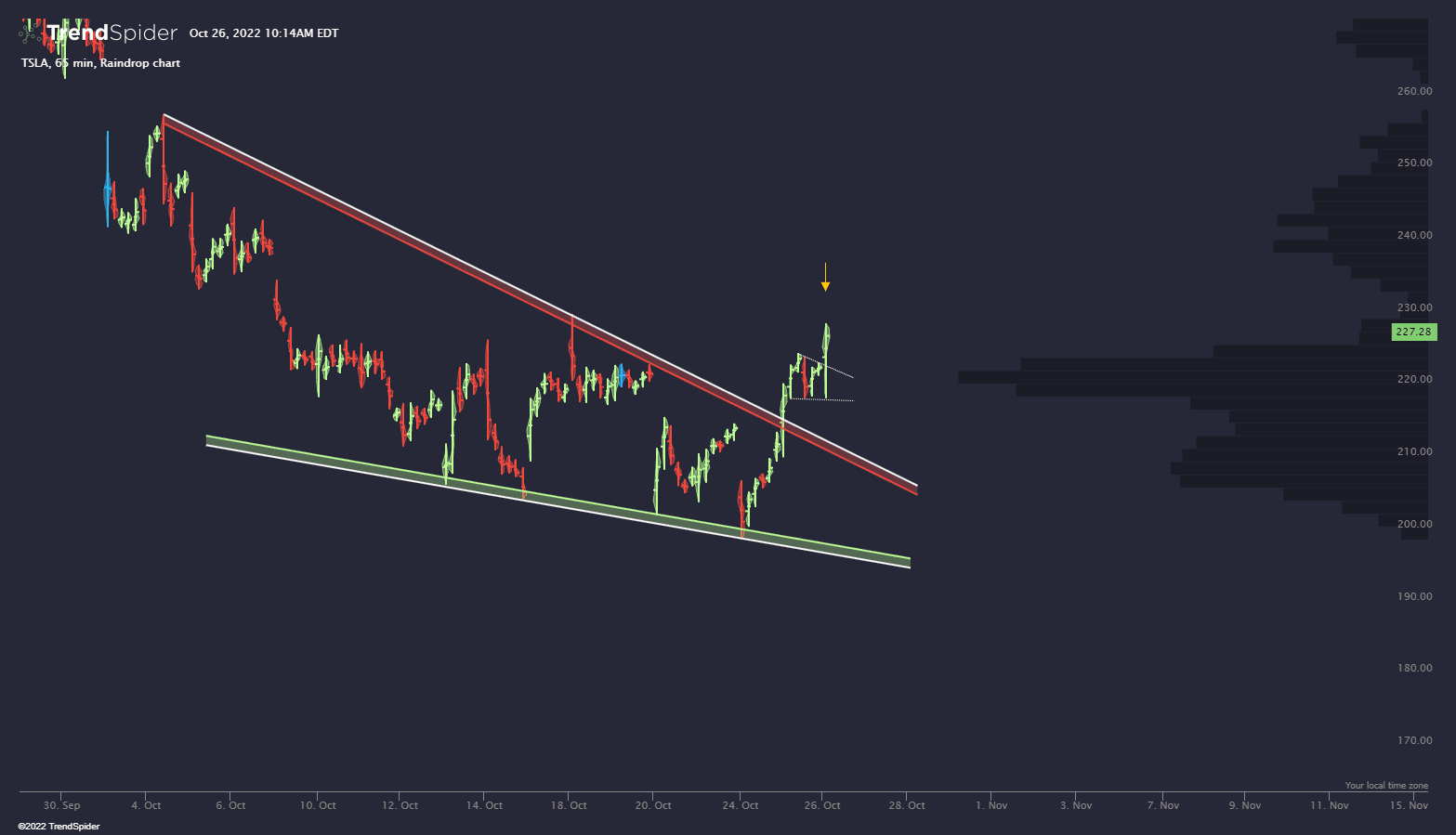
Throughout 2023, TSLA has shown remarkable fluctuations in its stock price, having begun the year with shares trading around $190. By mid-October, the stock price experienced a substantial rally, reaching highs of about $300 per share, driven by strong quarterly earnings, increased vehicle deliveries, and positive commentary from CEO Elon Musk regarding future production capabilities.
The company reported a third-quarter revenue of $24.3 billion, a significant increase from $19.3 billion compared to the same quarter last year. Furthermore, deliveries reached a record high of 465,000 vehicles, which has bolstered investor confidence, often seen as a critical measure for gauging demand and operational efficiency.
Innovations and Challenges
Despite its success, TSLA is not without challenges. The competitive landscape in the EV market is intensifying with traditional automakers and new entrants ramping up their EV offerings. Additionally, TSLA faces scrutiny regarding production costs and supply chain issues, especially with regard to battery materials. Recently, investors have been keenly watching the company’s efforts to expand Gigafactory production facilities across North America and Europe, which are essential for scaling up production to meet demand.
Future Outlook
Analysts have mixed opinions regarding TSLA’s trajectory heading into 2024. Many maintain a bullish outlook, citing the potential for market expansion and operational improvements. However, some market observers caution that high valuations may expose the stock to volatility, particularly in reaction to macroeconomic factors such as interest rates and inflation.
Furthermore, investors should monitor Tesla’s advancements in Full Self-Driving technology and the upcoming Cybertruck launch, which could significantly influence the company’s market position and investor sentiment.
Conclusion
As TSLA navigates its path in the evolving automotive landscape, its stock performance will likely remain a focal point for investors. With a combination of strong demand, innovative technology, and substantial challenges, TSLA is poised for an exciting future. Potential investors should conduct thorough research and stay informed on market trends and company developments to better understand the implications of investing in Tesla.