
Introduction
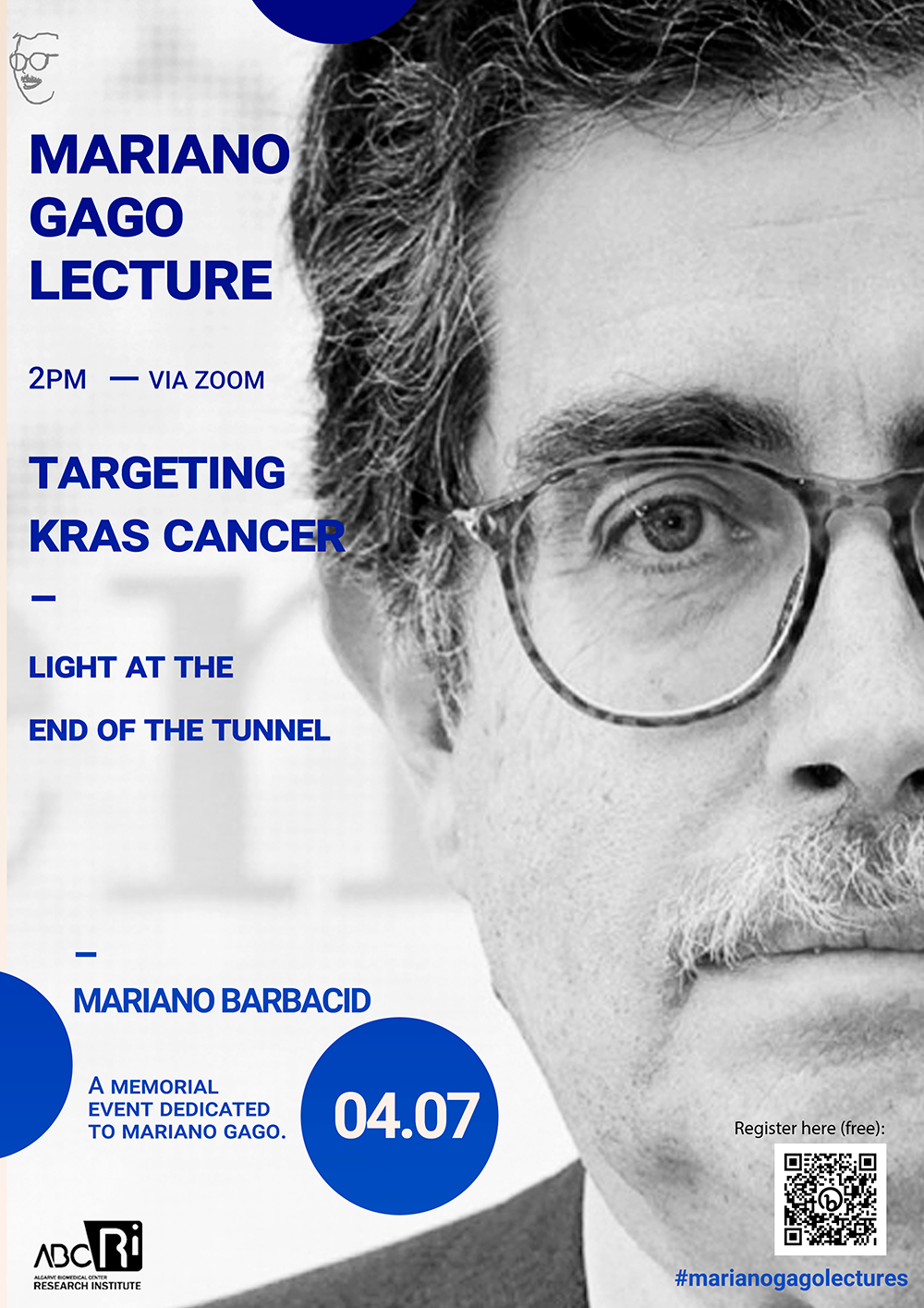
Mariano Barbacid is a prominent Spanish oncologist known for his pivotal role in the field of cancer research. His groundbreaking work in understanding the molecular mechanisms of cancer has significantly advanced medical science and offers hope for innovative therapeutic approaches. As the global health landscape continues to be challenged by cancer, Barbacid’s contributions are more relevant than ever, highlighting the ongoing need for research and development in this critical field.
Barbacid’s Achievements and Contributions
Born in 1949 in Granada, Spain, Mariano Barbacid earned his MD in 1971 and later obtained his PhD from the Spanish National Cancer Research Centre (CNIO). He is best known for his discovery of the first oncogene, which sparked a new era in cancer genetics. In 1982, Barbacid isolated the Harvey ras gene, which plays a crucial role in regulating cell division and differentiation. This discovery laid the groundwork for understanding how mutations in cancer-related genes can lead to uncontrolled cell growth.
Over the years, Barbacid has published numerous influential papers and has been a vital force in various international collaborations aimed at deciphering the complexities of cancer biology. His leadership at CNIO has helped establish it as one of the leading cancer research institutions globally, enabling the integration of basic research and clinical applications. In recent years, his focus has shifted towards exploring new avenues for cancer treatment, particularly in developing targeted therapies that minimize damage to healthy tissue.
Current Focus and Future Directions
As cancer research continues to evolve, Barbacid’s recent studies have concentrated on understanding the role of the environment in cancer development and the genetic factors that contribute to tumor diversity. His team’s research has the potential to revolutionize how personalized medicine is approached in cancer treatment. By identifying specific genetic mutations in tumors, therapies can be tailored to individual patients, improving outcomes and reducing side effects.
Conclusion
Mariano Barbacid’s long-standing commitment to cancer research is a testament to the vital role of scientific inquiry in combating one of the world’s most pressing health challenges. His pioneering discoveries and leadership in the field serve as an inspiration to future generations of researchers and medical professionals. As the scientific community continues to battle cancer, Barbacid’s legacy reinforces the importance of continued investment in cancer research, promising new breakthroughs that may one day lead to a cure.