
Introduction
The Nipah virus, a zoonotic pathogen responsible for severe respiratory and neurological diseases, has gained attention in India. Its potential to cause outbreaks underscores the importance of monitoring and response strategies, particularly moving into 2026. Understanding the virus’s transmission, public health strategies, and community awareness is key to mitigating its impact on health and society.
Current Situation
As of 2026, India has witnessed sporadic outbreaks of the Nipah virus, predominantly in the southern states such as Kerala. Since its first reported case in 2001, the country has made significant strides in managing the Nipah virus; however, challenges remain. The Kerala state government has developed comprehensive surveillance programs to monitor of fruit bats, the primary carriers of the virus. With over 100 cases reported since the inception of the disease in India, health authorities are on high alert.
Recent Outbreaks
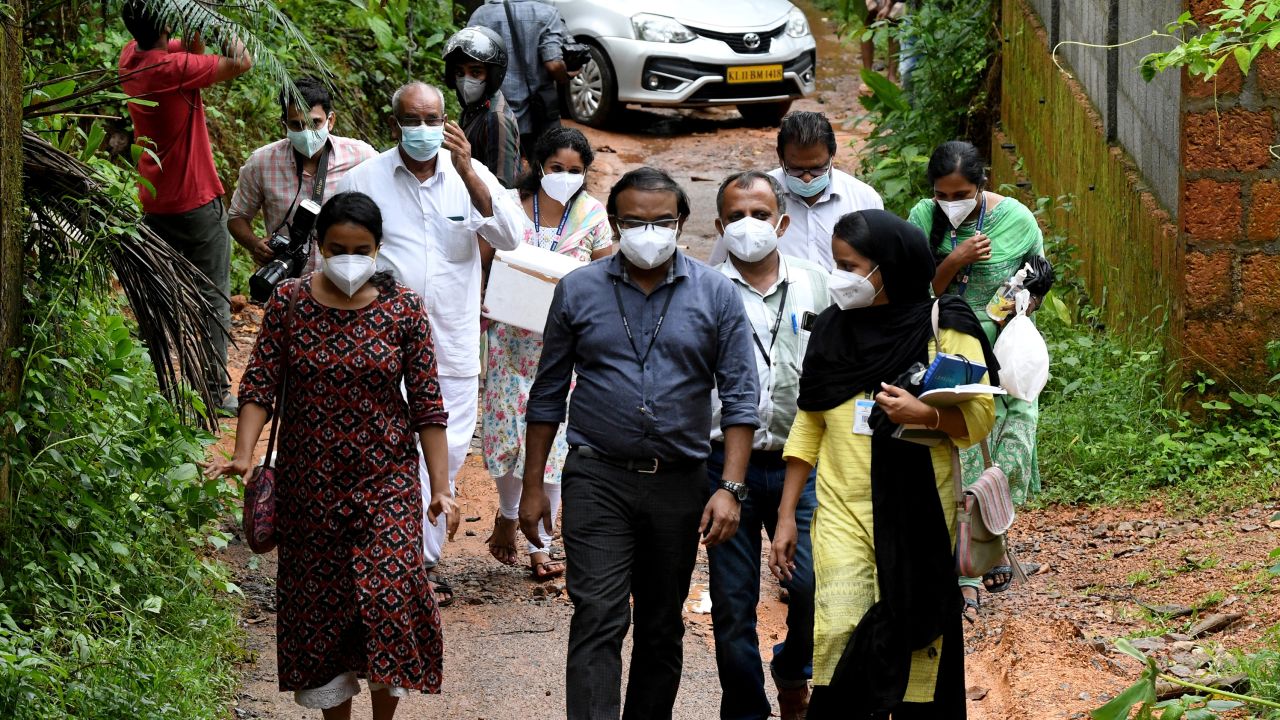
In April 2026, a localized outbreak in Kerala raised public health concerns. Fortunately, swift action by the health department, including immediate quarantine measures and contact tracing, contained the outbreak effectively. This incident, however, highlighted the continuing threat posed by the virus, as well as the need for improved community health education to recognize early symptoms and seek prompt medical care.
Public Health Response
India’s response to the Nipah virus has matured significantly over the years. The National Centre for Disease Control (NCDC) has emphasized precautionary measures, including proactive outreach campaigns. Public health officials are working to create awareness regarding the virus’s transmission – particularly the risks associated with consuming date palm sap, which can harbor the virus. Schools and local health centres have been advised to familiarize students and families with preventive strategies.
Future Projections
Looking ahead, experts suggest that vigilance and preparedness are crucial in tackling Nipah virus outbreaks. Enhancements in surveillance technology, faster diagnostics, and community education will play vital roles. Researchers continue to study vaccine development to ultimately prevent transmission, not only in India but globally. As the health landscape evolves, interdisciplinary collaboration between virologists, epidemiologists, and public health officials will also be critical.
Conclusion
As of 2026, the Nipah virus remains a public health challenge in India. Ongoing education and rapid response systems are essential for containment and management. By fostering a comprehensive health response and enhancing public awareness, India can prepare itself to face potential Nipah virus outbreaks head-on in the future.