
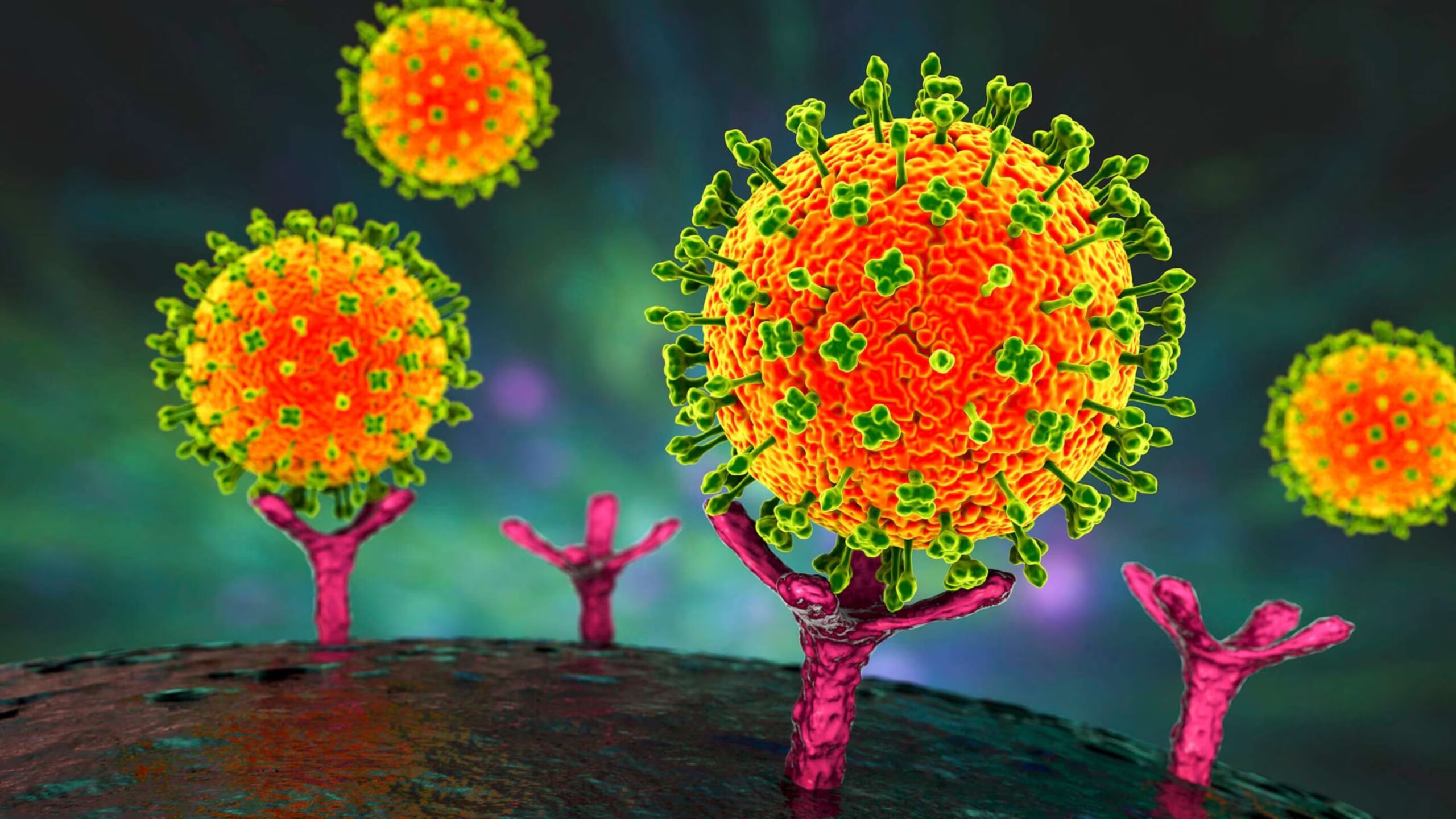
Introduction to Nipah Virus
The Nipah virus is a zoonotic virus that poses significant public health challenges globally. First identified in 1999 during an outbreak in Malaysia, Nipah is transmitted from animals to humans, primarily via bats and pigs. The relevance of understanding this virus has escalated due to its potential for severe outbreaks and the threat it poses to global health security.
Recent Outbreaks and Current Events
As of October 2023, the World Health Organization (WHO) has reported a small outbreak of Nipah virus in the Indian state of Kerala, where at least a few cases have surfaced. Local health authorities initiated immediate containment measures, including contact tracing and enhanced surveillance in affected areas. The Nipah virus is known for its high fatality rate—reported between 40% to 75% in previous outbreaks, depending on the region and strain—making rapid response critically important.
Nipah virus has sparked warnings among health experts due to its potential for human-to-human transmission, primarily through close contact with infected individuals or their bodily fluids. Health officials in Kerala are working closely with the national health ministry to prevent any potential escalation of the outbreak, and public awareness campaigns are underway to educate residents about symptoms and preventive measures.
Symptoms and Transmission
The symptoms of Nipah virus infection can range from mild to severe and typically appear 5 to 14 days after exposure. Early symptoms may include fever, headache, dizziness, and respiratory issues, which can progress to more severe complications such as encephalitis, a life-threatening inflammation of the brain.
The virus is primarily spread through exposure to infected bats or their secretions, consumption of contaminated foods, and direct contact with infected individuals. This makes monitoring wildlife and maintaining biosecurity in agriculture crucial for preventing future outbreaks.
Conclusion: The Road Ahead
The current situation surrounding the Nipah virus highlights the ongoing need for vigilance in public health. As the world continues to battle various infectious diseases, including COVID-19, understanding and preparing for zoonotic threats like Nipah is vital. Future outlooks suggest that with adequate preparedness, improved surveillance, and public health infrastructure, the risks associated with Nipah can be mitigated. Continued research and development of vaccines and treatments are crucial to combating this emerging infectious disease and protecting global health.