
Introduction
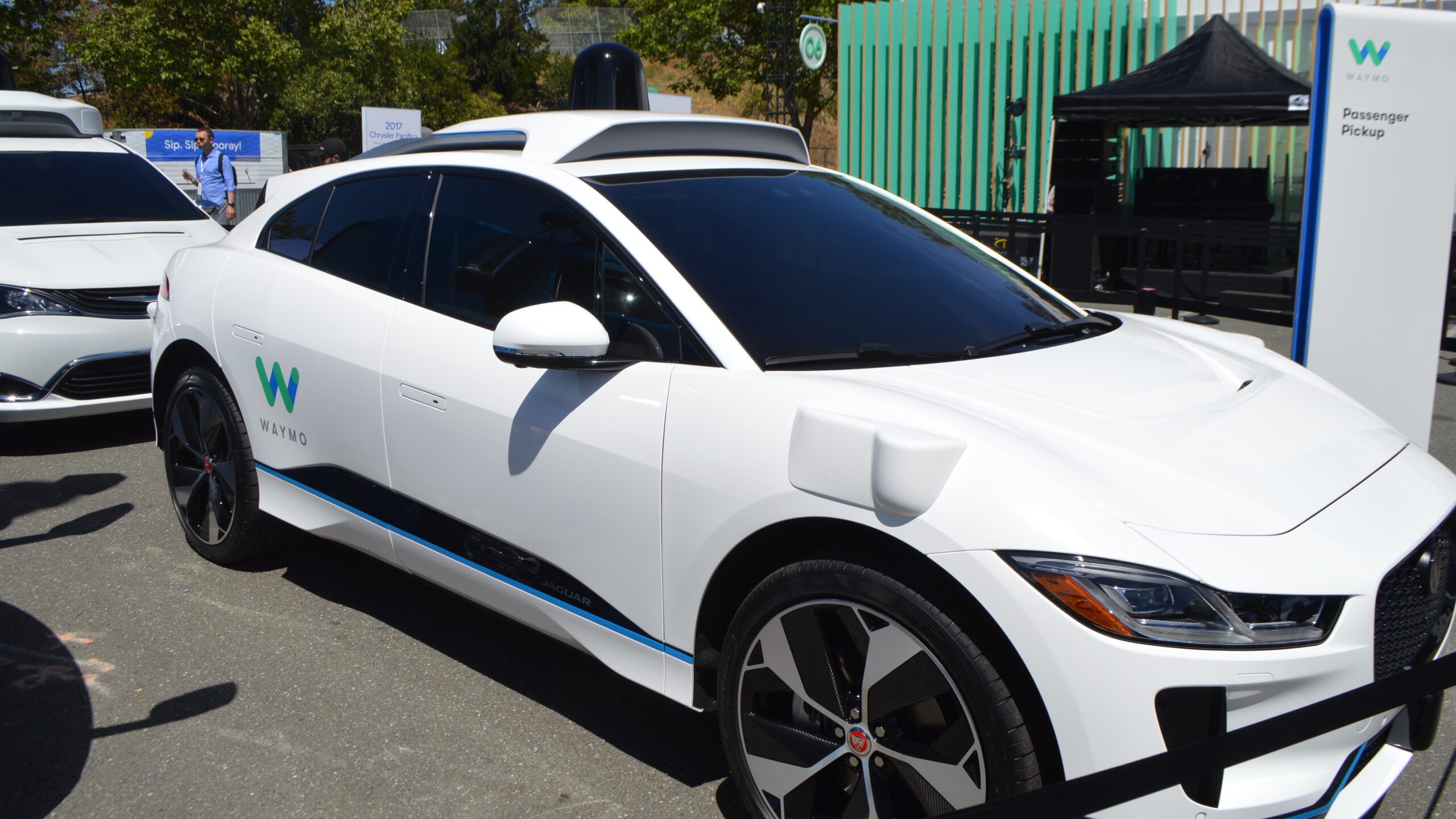
Waymo, a subsidiary of Alphabet Inc., has been at the forefront of autonomous vehicle technology since its inception. With the rapid evolution of technology and increasing concerns over road safety, Waymo’s advancements in self-driving cars are crucial in shaping the future of transportation. As cities become more congested and environmental sustainability becomes a priority, Waymo’s innovations are not just relevant; they are necessary for modern society.
Recent Developments
In recent months, Waymo has made significant strides in the development and deployment of its autonomous fleet. The company announced expansions of its ride-hailing service in Phoenix, Arizona, allowing passengers to utilize fully autonomous vehicles without human safety drivers present. This move marks a significant milestone in the realm of self-driving technology, as it showcases the operational capabilities of their vehicles in real-world conditions.
Waymo is also investing heavily in its technology to improve the efficiency and safety of its vehicles. The introduction of advanced LiDAR systems and AI-driven software has enhanced obstacle detection, navigation, and decision-making processes. These innovations aim to minimize accidents and improve overall road safety, addressing one of the primary concerns surrounding autonomous vehicles.
Challenges and Regulations
Despite its successes, Waymo faces several challenges. Regulatory hurdles continue to be a significant barrier to the widespread adoption of autonomous vehicles. Different states have varying rules regarding the testing and operation of self-driving cars, slowing down the deployment of this technology across the United States.
Moreover, public perception remains a crucial factor. Many consumers express skepticism about the safety of autonomous vehicles, influenced by high-profile incidents involving self-driving technologies. Waymo is actively working to build trust among users by transparent communication of its safety measures and comprehensively sharing data from its operational history.
Conclusion
Waymo’s efforts in the autonomous vehicle space illustrate not only the potential for innovation in transportation but also the complex interplay of technology, regulation, and public acceptance. As the company continues to refine its systems and expand its operations, it is poised to lead the charge toward a future where self-driving cars are a common sight on city streets. For consumers, this could mean a safer, more efficient way to travel, and for society, a step toward reduced emissions and more sustainable transportation options.