
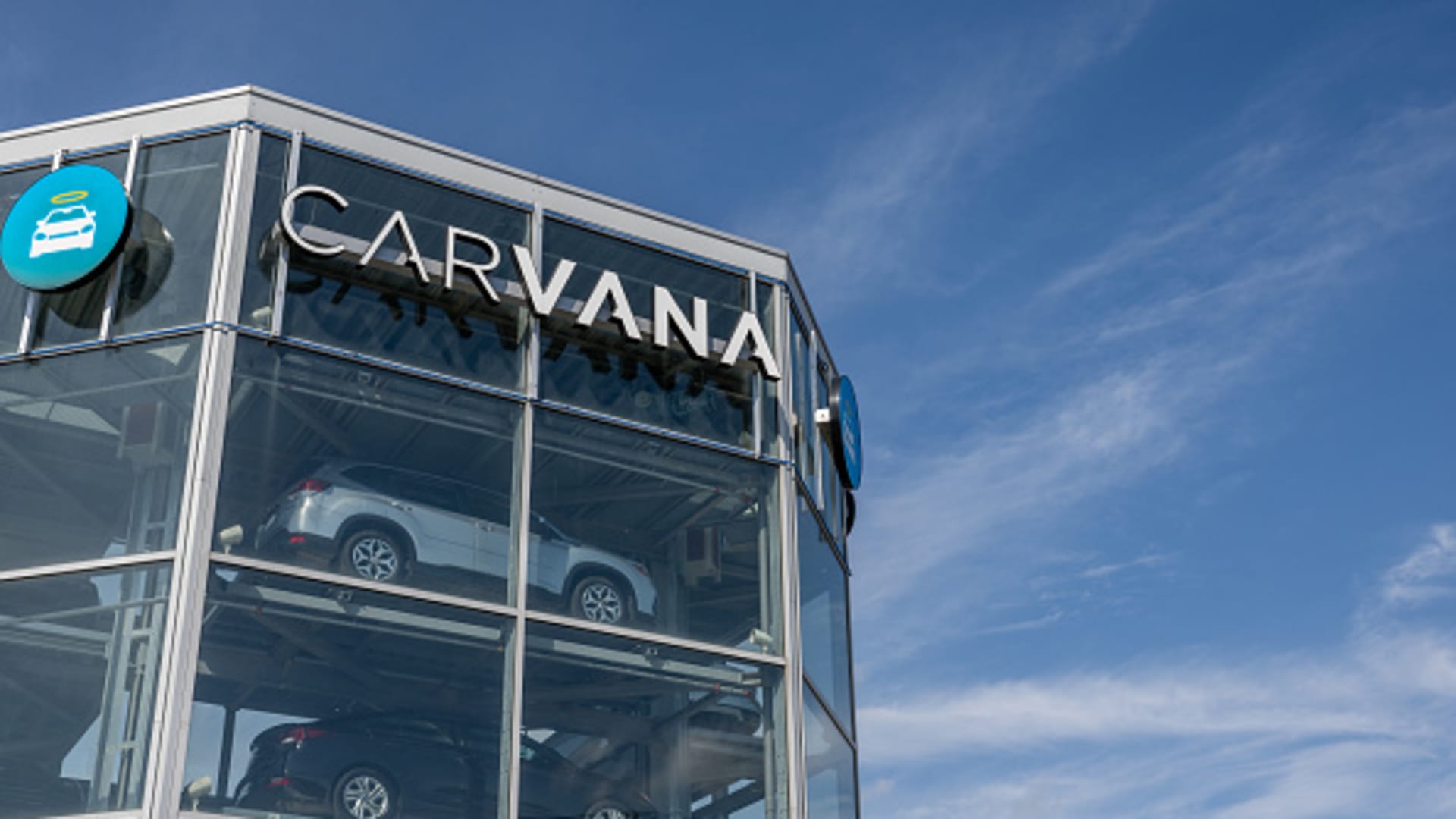
Introduction to CVNA
Carvana Co. (CVNA) has become a pivotal player in the automotive industry, particularly during the digital transformation of car sales. Founded in 2012 and headquartered in Tempe, Arizona, Carvana has redefined the car-buying experience by moving the entire process online, enabling consumers to purchase vehicles with unprecedented ease and convenience. As the market shifts towards digital solutions, the significance of Carvana’s model lies in its potential to disrupt traditional dealerships.
Recent Developments
In recent months, Carvana has reported substantial growth in sales and revenue, which is particularly noteworthy given the broader economic landscape. The company’s recent quarterly report indicated a 25% increase in sales year-over-year, despite challenges such as supply chain disruptions and inflationary pressures. Analysts have pointed out that the firm has successfully leveraged its technology to manage inventory effectively while improving customer experience. Furthermore, the launch of new features on its platform, such as virtual vehicle tours and contactless home delivery options, has enhanced its market appeal.
Challenges and Criticisms
Despite its impressive growth, Carvana is not without its challenges. The company has faced scrutiny over its operational practices and customer service quality. Complaints have emerged regarding delayed deliveries and difficulties in title transfers, issues that could tarnish its reputation. Consequently, the firm’s management is actively addressing these concerns to maintain consumer trust and brand integrity.
Future Forecast
Looking ahead, industry experts predict that Carvana will continue to grow as online car sales become increasingly normalized. The shift towards digital retailing in various sectors suggests that consumers are becoming more comfortable with purchasing high-ticket items online, paving the way for companies like Carvana to thrive. Additionally, the company’s recent expansions into new markets could enhance its competitive edge.
Conclusion
Carvana’s innovative approach to car sales represents a significant shift in how consumers interact with the automotive market. As the company navigates its growing pains while pushing towards greater market penetration, its future prospects remain promising. For consumers and investors alike, Carvana serves as a case study in the successful integration of technology into traditional industries, signaling a potential transformation in consumer behavior regarding vehicle purchases.