
Introduction
The cities of Barcelona and Copenhagen represent two distinct cultural landscapes in Europe, each rich in history, architecture, and lifestyle. Understanding these two cities is increasingly relevant as globalization fosters travel and exchange of ideas. This comparative analysis aims to shed light on what makes Barcelona and Copenhagen unique while highlighting their intriguing similarities.
Historical Context
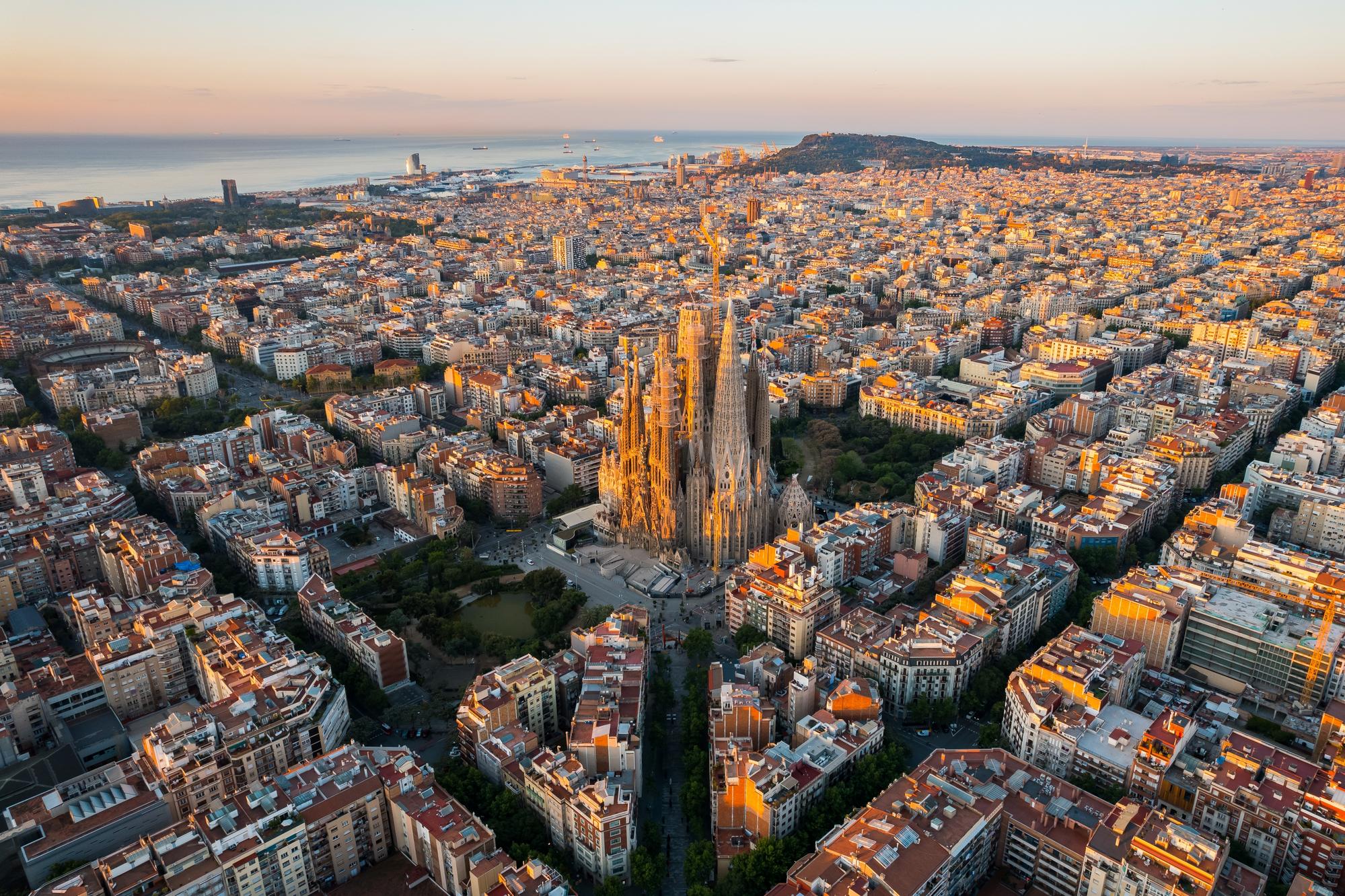
Barcelona, the capital of Catalonia, boasts a rich tapestry of history that dates back to Roman times. The city is renowned for its remarkable architecture, particularly the works of Antoni Gaudí, such as the iconic Sagrada Família. In contrast, Copenhagen, the capital of Denmark, has its roots in the Viking Age and has evolved through the Middle Ages into a modern metropolis known for its sustainable living and strong social welfare system.
Cultural Attractions
When it comes to cultural offerings, both cities shine brightly. Barcelona is famous for its vibrant art scene, with numerous museums like the Picasso Museum and the Fundació Joan Miró. The food culture is equally enticing, featuring tapas bars and fresh seafood. Meanwhile, Copenhagen is home to the Tivoli Gardens, one of the oldest amusement parks in the world, and is famed for its New Nordic cuisine, incorporating seasonal, locally-sourced ingredients. The city also prioritizes design excellence, evident in its architecture and fashion industries.
Public Transportation and Lifestyle
In terms of public transport, both cities provide efficient options for residents and tourists alike. Barcelona’s metro and bus systems are extensive, making it easy to navigate the city. Copenhagen, on the other hand, is known for its bike-friendly infrastructure, which promotes sustainable transportation. Both cities foster a lifestyle that emphasizes outdoor activities and public spaces; however, Copenhagen often ranks higher in terms of overall happiness and quality of life, according to various global surveys.
Conclusion
In summary, the comparative exploration of Barcelona and Copenhagen reveals two distinct yet equally captivating cities. While they each offer unique cultural experiences—the artistic vibrancy of Barcelona contrasts with the sleek, modernity of Copenhagen—they both stand as testaments to the rich cultural heritage of Europe. As travel becomes more accessible, understanding the distinct characteristics of cities like Barcelona and Copenhagen allows travelers to appreciate their journey deeper and fosters a greater connection between different cultures. The future will likely see even more connections between these two cities as cultural exchange continues to thrive.