
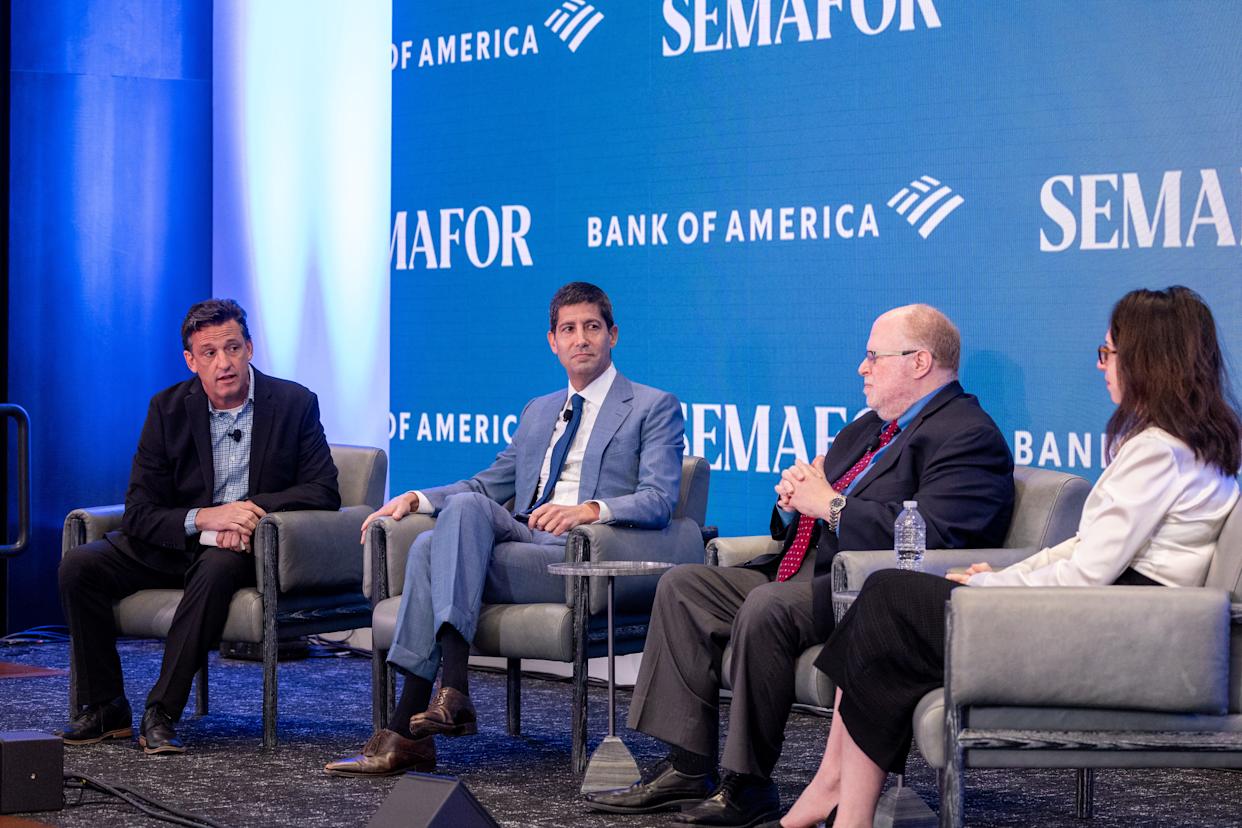
Introduction: The Importance of Kevin Warsh
Kevin Warsh, former member of the Federal Reserve’s Board of Governors, is a prominent figure in the field of economics and public policy. With extensive experience in central banking, Warsh has recently garnered attention for his insights on economic strategies and monetary policy amid the evolving challenges posed by inflation and recession risks. His perspectives are critical for understanding current and future economic landscapes.
Current Events and Contributions
In recent months, as the Federal Reserve has navigated through complex economic conditions, Kevin Warsh has been vocal in discussing the importance of adapting monetary policies to manage inflation effectively. Warsh emphasizes the need for a careful balance between stimulating growth and controlling price increases, which has become a contentious topic among economists and policymakers.
In a recent interview with a major financial news outlet, Warsh outlined his concerns regarding aggressive rate hikes. He suggested that while tightening monetary policy might be necessary to combat inflation, the Fed must tread cautiously to avoid derailing economic recovery. His insights come as the U.S. grapples with high inflation rates and potential economic slowdown, making his viewpoints particularly relevant.
Warsh’s Economic Philosophy
Warsh’s approach to central banking is shaped by his belief in the importance of transparency and clear communication from the Federal Reserve. He argues that clear guidance can help set market expectations and foster stability. This philosophy has been echoed in recent Fed meetings, where communication strategies are pivotal in steering the market through uncertainty.
Conclusion: Implications for the Future
As we look ahead, the opinions of experts like Kevin Warsh will be significant in shaping discussions around monetary policy and economic growth strategies. His call for a balanced approach to managing inflation and economic recovery resonates widely among his peers in finance and will likely influence policymakers as they consider future actions. Understanding Warsh’s viewpoints can not only aid individuals and businesses in making informed financial decisions but also offer insights into the broader economic trends that lie ahead.