
Introduction
Cuba, an island nation steeped in history, is a focal point of interest for many around the world. Its unique blend of culture, politics, and tourism makes it a significant player in the Caribbean and a captivating destination for travelers. Understanding Cuba today requires insight into its rich cultural heritage and the ongoing political shifts that shape its future.
Cuban Culture
Cuba’s culture is a vibrant mix of Spanish, African, and indigenous Taíno elements. This cultural richness is evident in its music, art, and cuisine. The nation is known globally for its lively music scenes—ranging from traditional son and salsa to contemporary reggaeton. The annual Havana International Jazz Festival showcases local and international talents, underscoring the importance of music in Cuban life. Additionally, Cuba’s visual arts, particularly through renowned artists like Wilfredo Lam and Tomas Sánchez, reflect the country’s history and societal dynamics.
Political Landscape
The political environment in Cuba has undergone dramatic changes in recent years. Following the death of longtime leader Fidel Castro in 2016, his brother Raul Castro initiated a series of reforms aimed at modernizing the economy while still maintaining the socialist framework. These reforms included small-scale private entrepreneurship and allowing foreign investments. However, the recent election of Miguel Díaz-Canel as the first non-Castro president in decades signals a continuing evolution in governance amid increasing pressure for political reform and greater economic liberties from citizens.
Tourism Trends
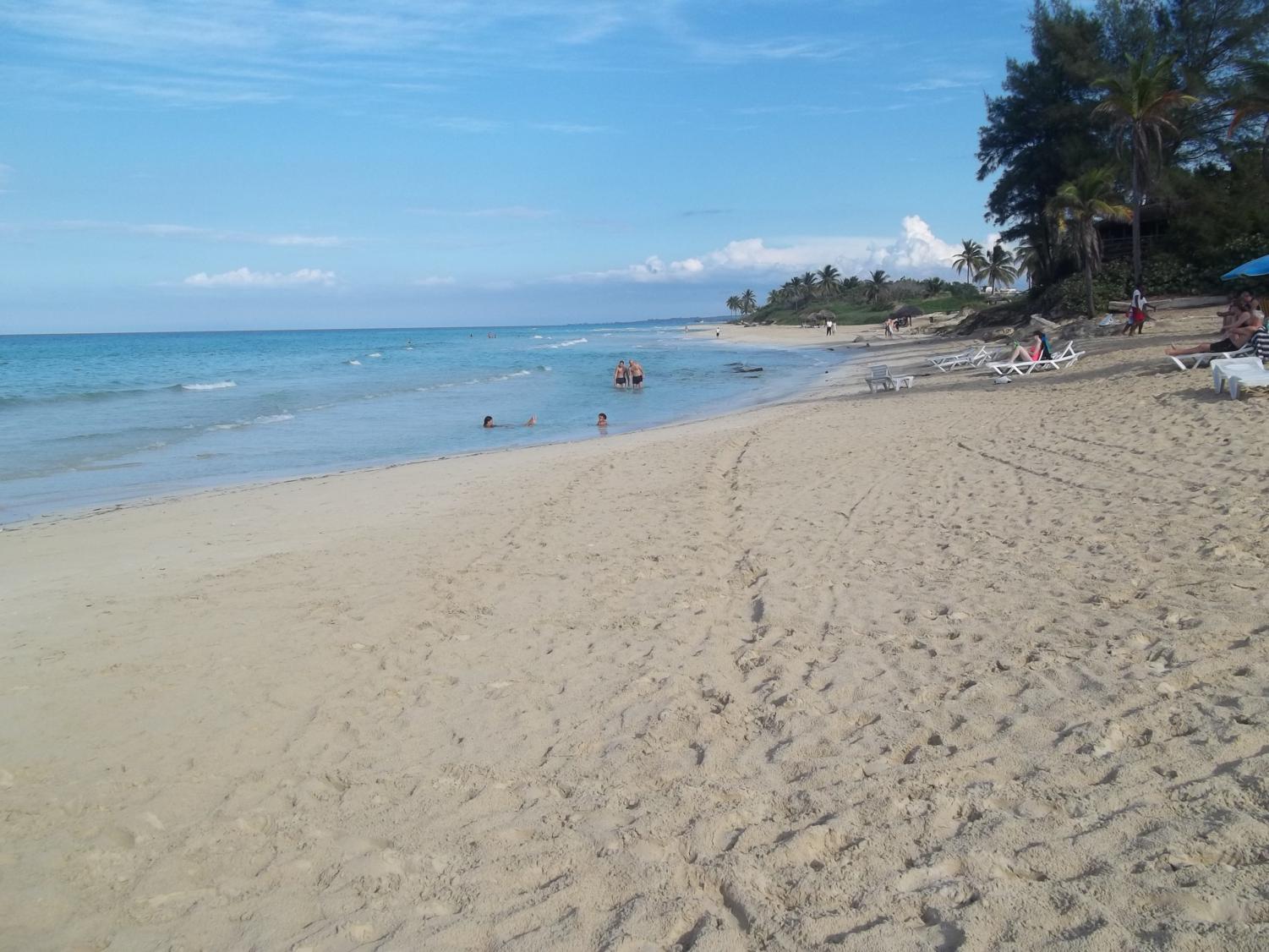
Tourism is a crucial part of Cuba’s economy, attracting nearly four million visitors annually. Travelers seek both the idyllic beaches of Varadero and the cultural nostalgia of Havana’s colonial architecture. However, the COVID-19 pandemic severely impacted the tourism sector, leading to a sharp decline in visitor numbers. As Cuba enters the recovery phase, the government is focusing on promoting safe travel and enhancing infrastructure to revitalize tourism.
Conclusion
Cuba stands at a crossroads of rich cultural heritage and an evolving political landscape, making it an area of continual interest for both scholars and travelers. As tourism rebounds, the island remains a significant nation to watch in the Caribbean. Observers are keen to see how the blend of culture, ongoing political changes, and tourism development will shape Cuba’s future in the coming years. For travelers, exploring Cuba offers not only a window into its vibrant past but also a unique opportunity to witness its transformation in real-time.