
Introduction
West African countries play a significant role in the socio-economic landscape of Africa and the world. With a rich tapestry of cultures, languages, and historical backgrounds, these nations present a unique blend of tradition and modernity. The region is crucial for understanding Africa’s wider dynamics, including trade, security, and climate change impacts. Recent studies show that West Africa’s economy is set to grow, making it increasingly relevant for global investors and policymakers alike.
Key Countries in West Africa
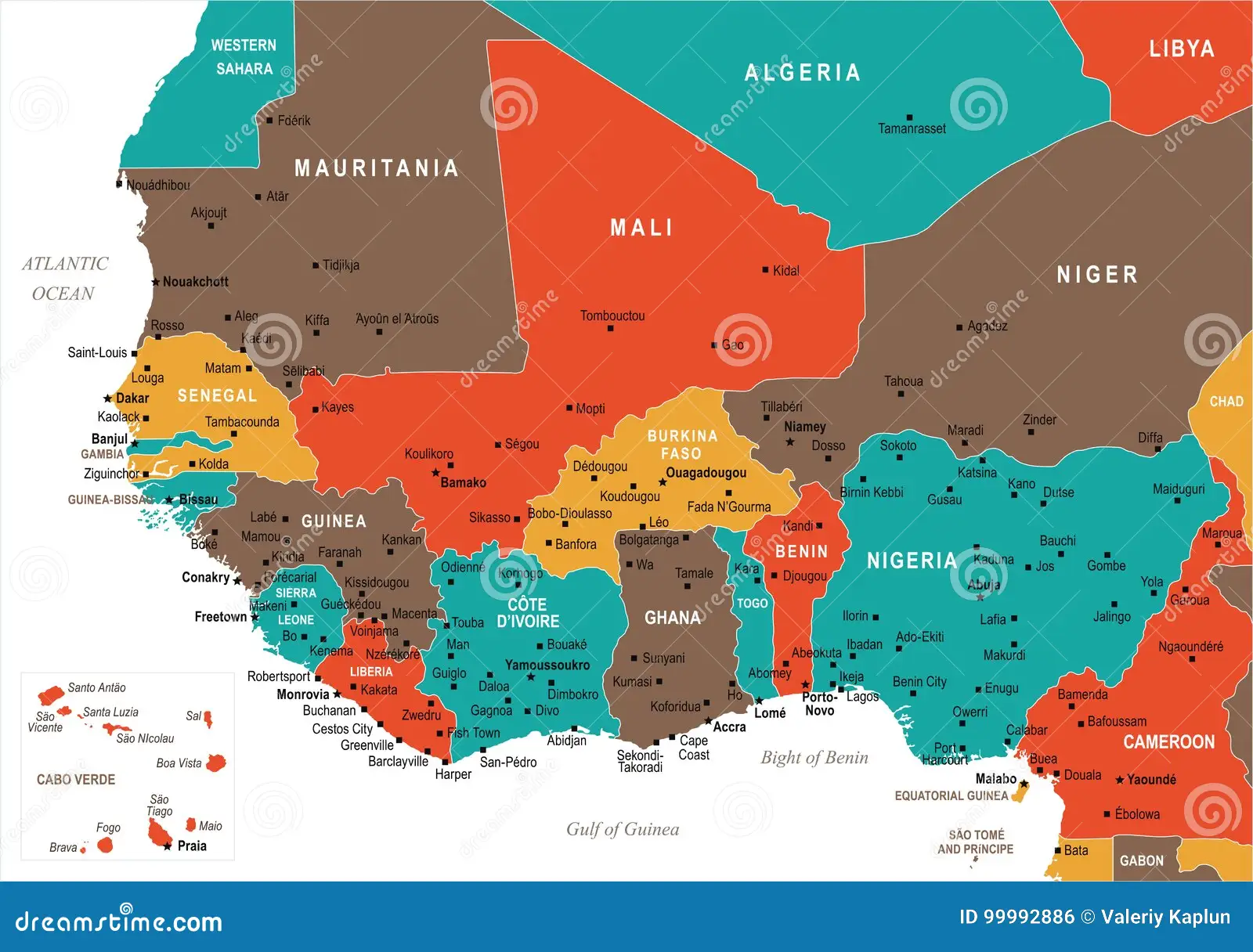
West Africa comprises 16 countries, including Nigeria, Ghana, Senegal, and Ivory Coast. Nigeria, the most populous country in Africa, has a diverse economy driven by oil, agriculture, and telecommunications. Ghana has become a beacon of democracy and stability in the region, encouraging foreign investments and tourism.
Senegal is notable for its cultural heritage and vibrant music scene. Its capital, Dakar, is home to several international festivals that attract tourists. Ivory Coast, the leading cocoa producer globally, plays a crucial role in the agricultural market, influencing both local and international economies.
Recent Developments
In recent months, West African countries have experienced both challenges and progress. For instance, the Economic Community of West African States (ECOWAS) has been focusing on regional integration to foster economic collaboration among member states. Moreover, the recent UN reports highlighted West Africa’s vulnerability to climate change, urging nations to adopt sustainability measures to protect their environments and economies.
Security remains a pressing issue as terrorism and instability from neighboring Sahel countries affect regions within West Africa. Collaborative efforts between nations and international partners are being intensified to combat these threats and ensure peace and security.
Conclusion
The significance of West African countries extends beyond their geographical borders. As their economies grow and political dynamics evolve, these nations offer countless opportunities for investment, cultural exchange, and global partnerships. Understanding the diverse characteristics and challenges faced by West African states is essential for global stakeholders looking to engage with this strategically vital region.