
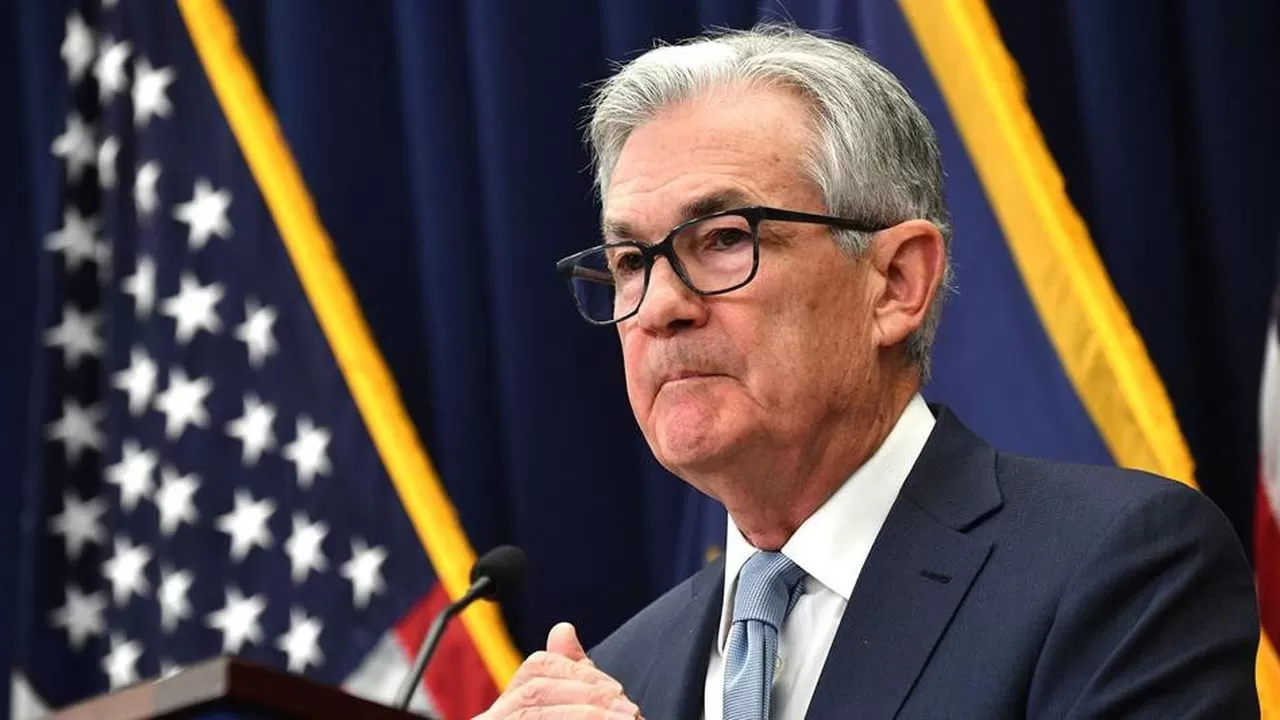
Understanding Jerome Powell’s Tenure
Jerome Powell, the 16th Chair of the Federal Reserve, has been a pivotal figure in U.S. economic policy since his appointment. His current term as Chair began on February 5, 2018, following his nomination by President Donald Trump. According to the Federal Reserve Act, the term of a chair is four years, but Powell was re-nominated by President Joe Biden and confirmed for a second term, which commenced on May 23, 2022.
When Does His Term End?
Since Powell was reappointed for a four-year term in 2022, his current tenure as Chair is set to end in 2026, specifically on May 23rd. However, Powell’s position is not solely defined by the term length; he can remain in office as long as he retains the confidence of the incumbent president and Congress. This aspect adds an element of unpredictability to his future, as the political landscape can shift considerably.
The Implications of His Tenure
Powell’s leadership has coincided with significant events, including the economic recovery following the COVID-19 pandemic and the recent fluctuations in inflation rates. His policies have involved gradual interest rate hikes aimed at taming inflation while balancing growth. As of the latest reports in October 2023, the Federal Reserve continues to face challenges due to price pressures and global economic uncertainty, making Powell’s decisions critical. The performance of the U.S. economy and public sentiment toward economic policy could also influence any potential successor to Powell.
What Happens Next?
As Powell’s term progresses towards its conclusion in 2026, the economic landscape will likely continue to evolve. Economists and political analysts are observing how Powell’s monetary policy decisions will reshape the economy. If inflation persists or if there are significant economic downturns, the scrutiny around his policies will intensify, and discussions regarding his succession may emerge sooner, especially as the next presidential election approaches in 2024.
Conclusion
In summary, Jerome Powell’s term as Chair of the Federal Reserve ends in 2026, although external factors could influence his continuation in office. His decisions will significantly impact economic conditions and the future direction of U.S. monetary policy. As we approach key economic milestones and political shifts, the implications of Powell’s leadership will remain a focal point for policymakers, investors, and the public alike.