
Introduction
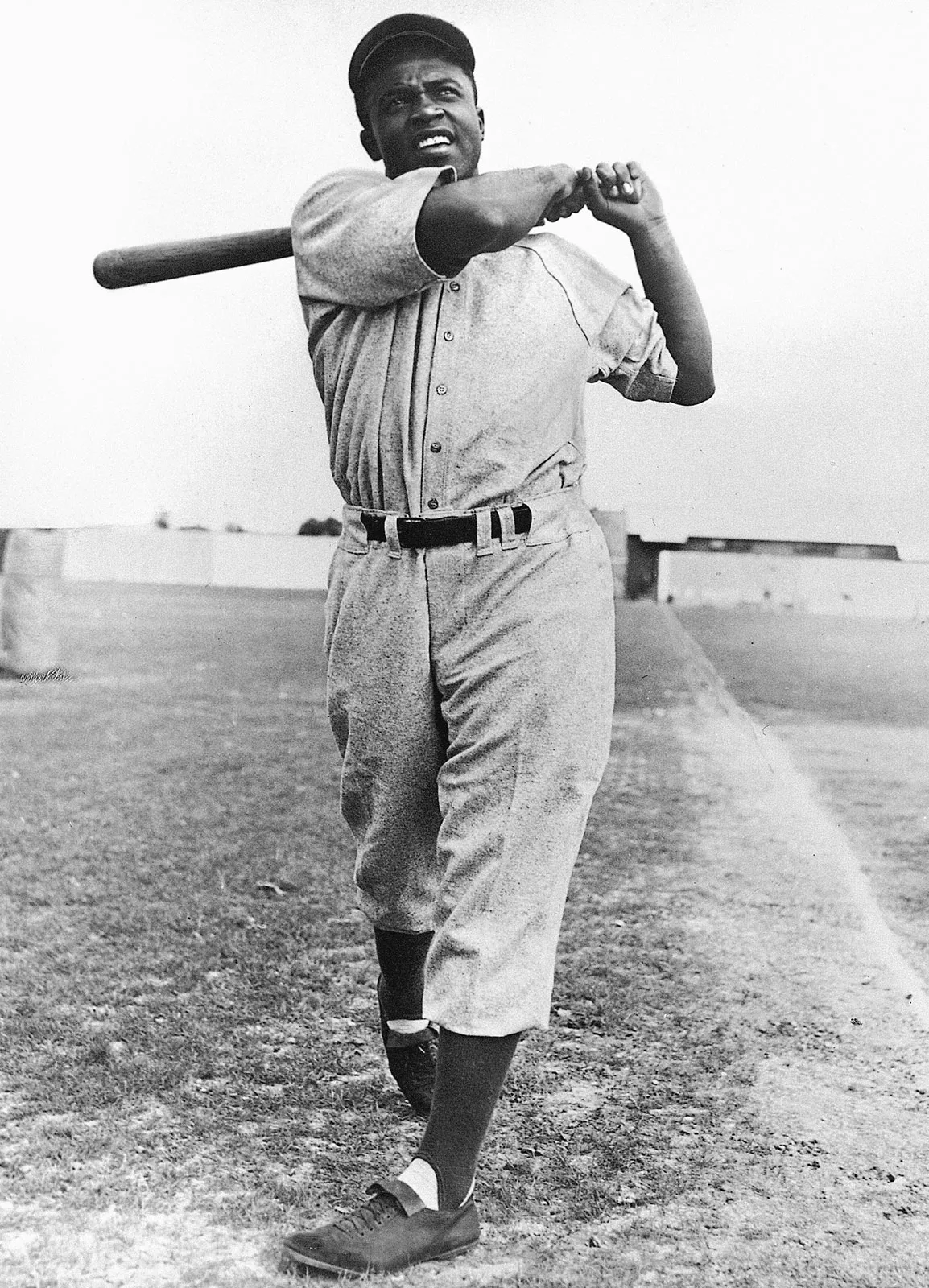
Jackie Robinson is a name synonymous with breaking barriers in sports and the American civil rights movement. His debut in Major League Baseball in 1947 as the first African American player in the modern era was not just a groundbreaking moment for baseball; it was a pivotal point in the fight against racial segregation in American society. With the commencement of MLB’s Jackie Robinson Day on April 15 each year, Robinson’s legacy continues to inspire new generations, underscoring the importance of diversity and equality in all fields.
Historical Significance of Jackie Robinson
Robinson played for the Brooklyn Dodgers, where he not only excelled on the field but also faced immense racial discrimination. Despite the obstacles, Jackie proved himself to be an outstanding player, winning the National League MVP award in 1949 and leading the Dodgers to six pennants and one World Series championship in 1955. His bravery and skill resonated beyond baseball, challenging and changing societal norms regarding race.
Recent Celebrations and Recognitions
This year, MLB celebrated Jackie Robinson Day with a number of events, including special tributes across various teams. On April 15, players wear the number 42, which Robinson famously wore during his career. The continued recognition of his impact is essential, particularly as debates around race and inclusion remain relevant today. The Jackie Robinson Foundation, established to promote higher education among minority students, further solidifies his commitment to racial equity.
The Impact on Sports and Culture
Jackie Robinson’s influence extends beyond baseball into the broader spectrum of sports and culture. Athletes such as LeBron James and Serena Williams have highlighted Robinson’s contributions in their public statements, emphasizing how his legacy helped pave the way for icon athletes today. Major sports organizations are now engaged in conversations around diversity and inclusion, a movement significantly bolstered by Robinson’s pioneering spirit.
Conclusion
Jackie Robinson’s legacy is a testament to courage and determination. As society grapples with issues of race and inequality, his story serves as a crucial reminder of the power of sports as a platform for change. Continued recognition of his contributions not only honors his memory but encourages ongoing dialogue and action toward equality in every field. For readers, understanding and reflecting on Robinson’s life can inspire personal commitments to diversity and inclusion, proving that the past holds lessons for the future.