
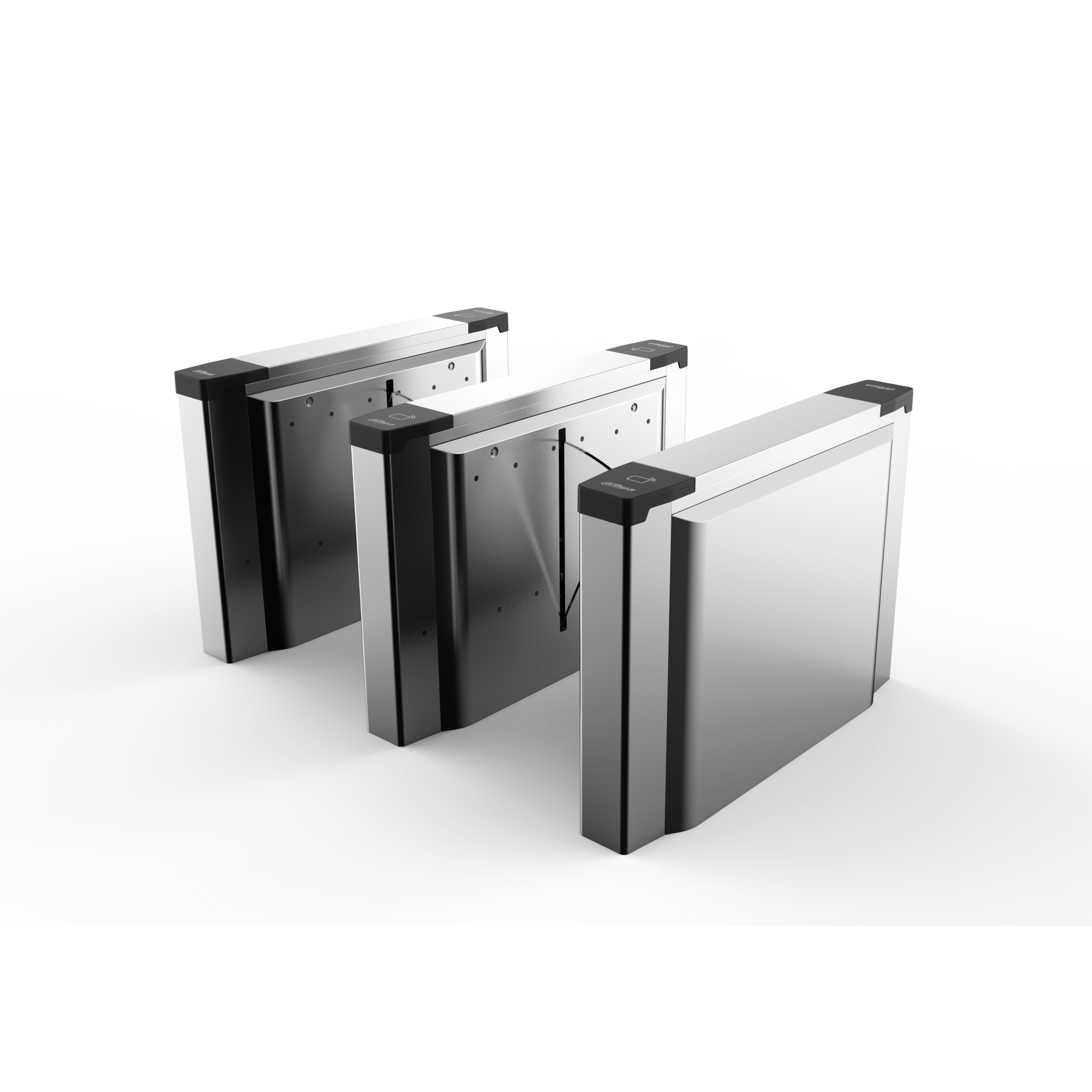
Introduction
Turnstiles have become an essential part of access control systems in various public venues, including subway stations, amusement parks, and corporate offices. This technology not only streamlines entry but enhances security by managing the flow of people effectively. As urban areas grow and the need for security rises, understanding the advancements and applications of turnstiles is increasingly important.
Recent Developments in Turnstile Technology
According to recent reports, the global turnstile market is expected to reach USD 1.36 billion by 2026, growing at a CAGR of around 5.2% from 2021. This growth is driven by heightened security demands and the need for efficient crowd management in both commercial and public sectors. Various models, such as optical turnstiles, barrier-free turnstiles, and tripod turnstiles, are being adopted to meet specific needs.
Optical turnstiles, for instance, provide a sleek design and use infrared beams to detect unauthorized access while ensuring a smooth flow of authorized personnel. Many organizations are also integrating biometric systems, such as fingerprint or facial recognition technologies, to turnstile operations, enhancing user authentication and security measures further.
Applications Across Different Sectors
In transportation hubs, turnstiles significantly decrease boarding times while maintaining security protocols. For example, the Metropolitan Transportation Authority (MTA) in New York City has adopted advanced turnstile systems that help manage the large volume of commuters efficiently. Similarly, in stadiums or venues, turnstiles facilitate quick and secure entry for thousands of fans during major events.
Corporate offices are also transitioning to turnstile systems for employee safety and access management. Some companies have implemented smart turnstiles combined with mobile access control, allowing employees the convenience of entering with a smartphone while recording attendance data seamlessly.
Conclusion
The evolution of turnstile technology is transforming the way we approach access control in various environments. As security concerns continue to grow, investing in cutting-edge turnstile systems not only enhances safety but also improves user experience. The forecast for turnstile innovations suggests that their role in security management will only intensify. For businesses and municipalities alike, embracing these advancements can lead to safer, more efficient spaces for everyone.