
Introduction
Pulled from the shadows of natural disasters and economic hurdles, Puerto Rico stands as a beacon of resilience and cultural heritage. The tropical island, a U.S. territory in the Caribbean, is currently navigating a journey toward economic recovery while simultaneously preserving its rich history and diverse culture. With recent developments highlighting both its struggles and its strengths, understanding the current state of Puerto Rico is crucial for appreciating its unique position in the broader Caribbean landscape.
Economic Recovery Efforts
Puerto Rico has been grappling with the aftermath of Hurricane Maria, which devastated the island in 2017, followed by an ongoing economic crisis marked by significant debt and high unemployment. In recent years, government officials and local organizations have intensified efforts to revitalize the economy. Investments in tourism, agriculture, and technology sectors have become focal points. In 2022, tourism rebounded significantly, with a reported increase of 19% in visitor arrivals compared to the previous year, showcasing the island’s natural beauty and cultural attractions.
Additionally, federal funds have flowed into Puerto Rico for recovery and infrastructure improvements, aiming to create a more resilient economy. Notably, the Build Back Better plan has allocated funds to rebuild schools, roads, and utilities, making them more resilient to future storms.
Cultural Richness and Heritage
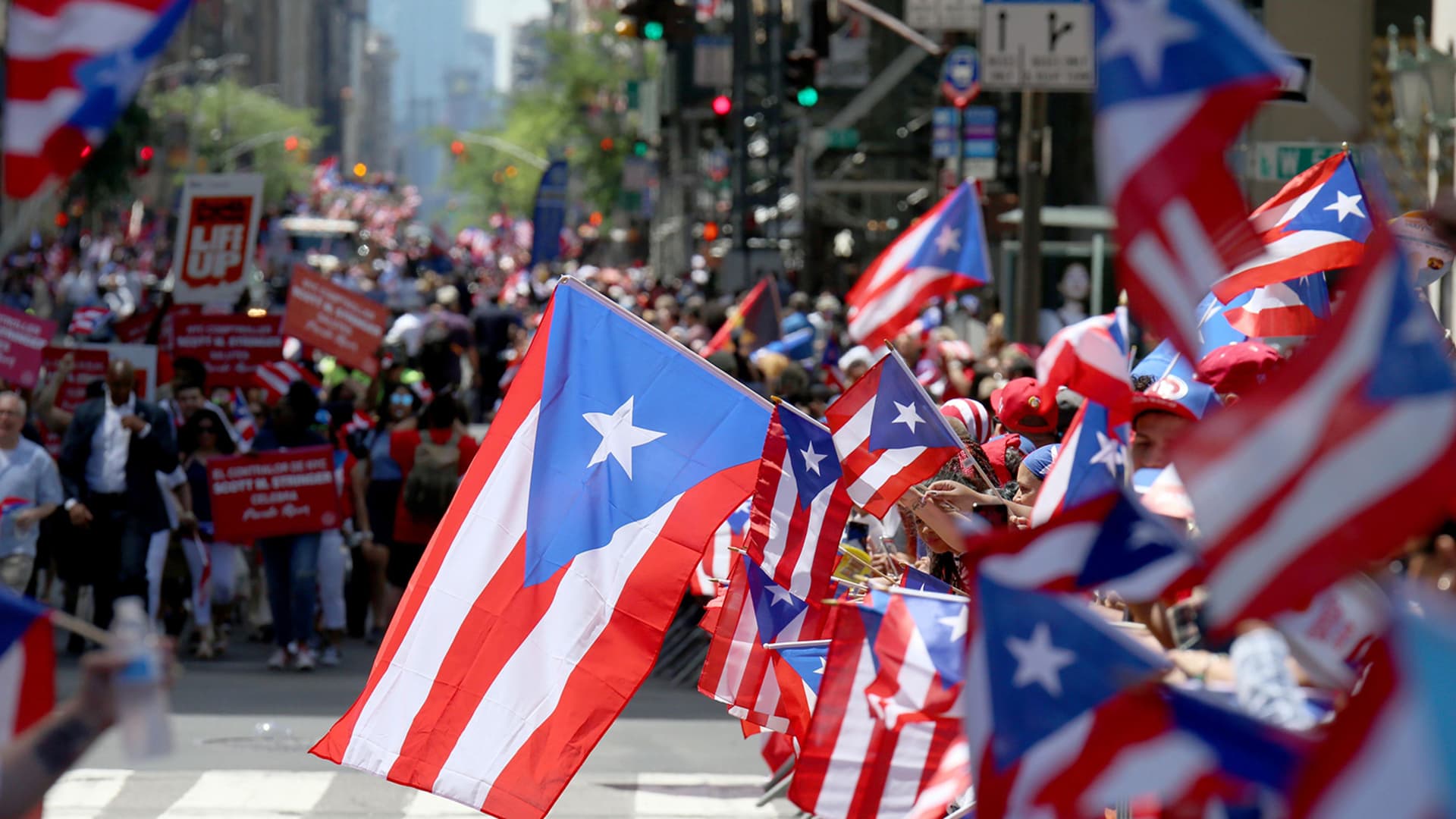
As Puerto Rico works toward economic stability, its vibrant culture remains a cornerstone of its identity. From the rhythmic beats of reggaeton to the ancient traditions of Taino heritage, the island offers a unique blend of influences that captivate both locals and visitors. Festivals such as the San Sebastián Street Festival and the Fiestas de Ponce highlight the colorful and joyous spirit of Puerto Rican culture while drawing tourists to experience the festivities firsthand.
Furthermore, a growing movement to preserve culinary traditions, such as mofongo and lechón, emphasizes local ingredients and sustainable practices, thereby supporting local farmers and attracting food enthusiasts globally.
Conclusion
As Puerto Rico continues to advance towards recovery from the challenges it has faced, the resilience and cultural richness of the island remain at the forefront of its identity. The focus on economic revitalization through tourism, agriculture, and technology, coupled with a deep appreciation for cultural preservation, sets a promising path for the future. For readers, understanding Puerto Rico’s journey offers insight into not only the challenges faced by the island but also the indomitable spirit of its people.