
Introduction
The Czech Republic, a landlocked country in Central Europe, is renowned for its rich history, stunning architecture, and vibrant culture. As the world continues to navigate the complexities of post-pandemic life, the Czech Republic has emerged as a key player in European affairs, attracting tourists and investors alike. Understanding the current dynamics of this nation is crucial, not just for those looking to visit but also for those interested in its role in European politics and economy.
Current Events and Significance
In recent months, the Czech Republic has been making headlines for its proactive stance on various issues. The country has played a vital role in the European Union’s response to the ongoing energy crisis brought on by geopolitical tensions. In light of the Russian-Ukrainian conflict, Czech authorities have focused on diversifying energy sources, promoting sustainability, and reducing dependence on foreign energy.
Moreover, the Czech Republic has been strengthening its support for Ukraine, both politically and economically, which underscores its commitment to regional stability. As a result, this has enhanced its standing within the EU, reinforcing its image as a cooperative and strategic ally.
Cultural Richness and Tourism
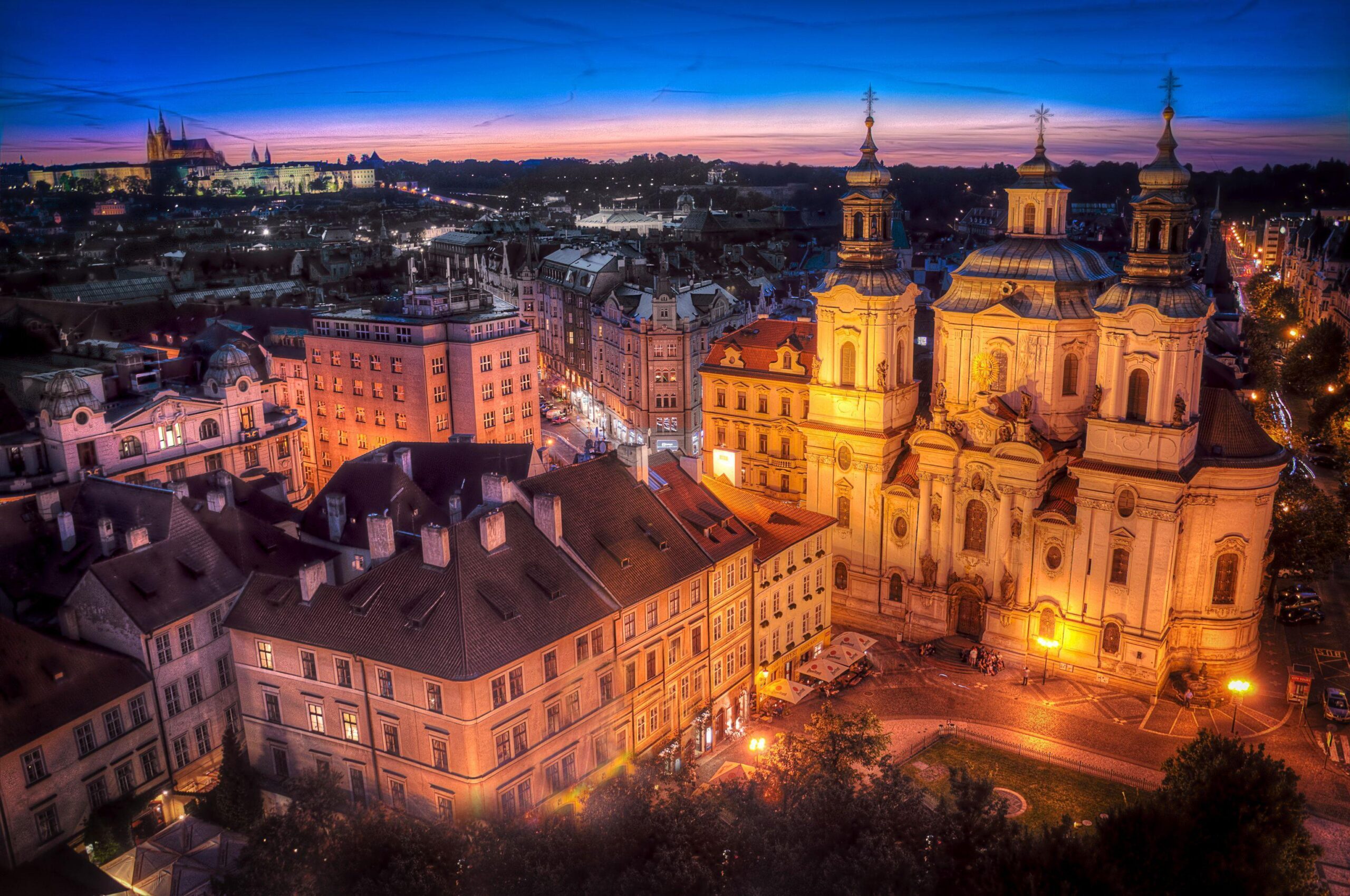
Culturally, the Czech Republic boasts a rich tapestry woven from centuries of history, arts, and traditions. Major cities like Prague, known for its medieval architecture and vibrant nightlife, continue to attract millions of tourists. The Charles Bridge, Prague Castle, and the Astronomical Clock are just a few examples of landmarks that not only tell the story of the nation but also symbolize its resilience and adaptability.
Despite the challenges posed by the pandemic, the tourism sector is showing signs of recovery, with government initiatives aimed at promoting the country as a travel destination. Recent statistics indicate a significant uptick in international visitors, who are drawn to the enchanting landscapes of Bohemia and Moravia, along with cultural events such as the Prague Spring International Music Festival.
Conclusion
As the Czech Republic continues to navigate both economic and political landscapes, it remains an essential part of Central European identity. The commitment to energy independence, coupled with a flourishing tourism sector, signifies a bright future ahead. For potential visitors, investors, and political analysts, staying informed about the evolving dynamics in the Czech Republic is crucial. The country not only shapes the past and present of Europe but is also poised to influence its future direction.