
Introduction
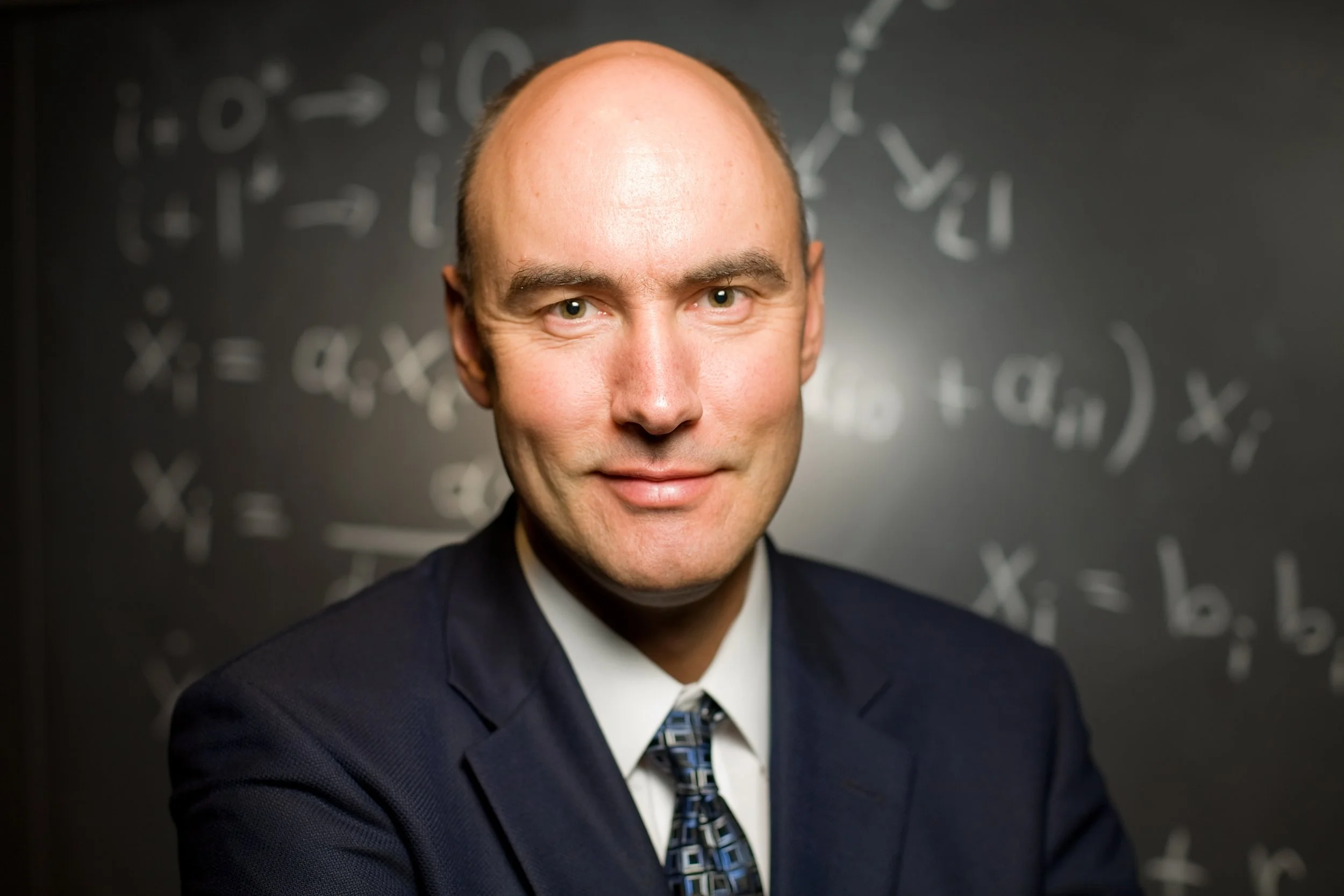
Martin Nowak, a professor of mathematical biology at Harvard University, has been a leading figure in the field of evolutionary dynamics. His groundbreaking research into how cooperation and competition shape biological systems has not only advanced scientific understanding but also sparked significant debate in both academic and popular circles.
Recent Research and Developments
In recent years, Nowak has published numerous studies that examine the mathematical frameworks behind evolutionary processes. His work often emphasizes the importance of cooperation among organisms, challenging the traditional view that competition drives evolution solely. For instance, a study published in 2022 utilized game theory to analyze how cooperative behaviors can emerge in various species, providing insights into human social behaviors and the evolution of cooperative societies.
Nowak’s research has garnered attention beyond the scientific community. In 2023, he co-authored a paper in the journal Nature that linked cooperation in social organisms to enhanced success in diverse ecosystems. This research contributed to ongoing discussions about climate change strategies and the adaptation of species amidst environmental challenges.
Collaborations and Impact
Moreover, Nowak has collaborated with a wide range of scientists across disciplines, including genetics, ecology, and social sciences. His innovation in creating models that integrate elements from these various fields has proven vital for understanding shared traits in biology and human culture. Notably, his work has implications for fields like artificial intelligence and social networks, where concepts of cooperation are crucial.
Conclusion
The contributions of Martin Nowak in the field of evolutionary biology are profound and wide-reaching. As the world faces biological and environmental challenges, his insights into cooperation and evolution may help us understand not only the natural world but also our social structures. As interdisciplinary research expands, the significance of Nowak’s findings is likely to grow, influencing future studies and applications in various fields from medicine to environmental policy.