
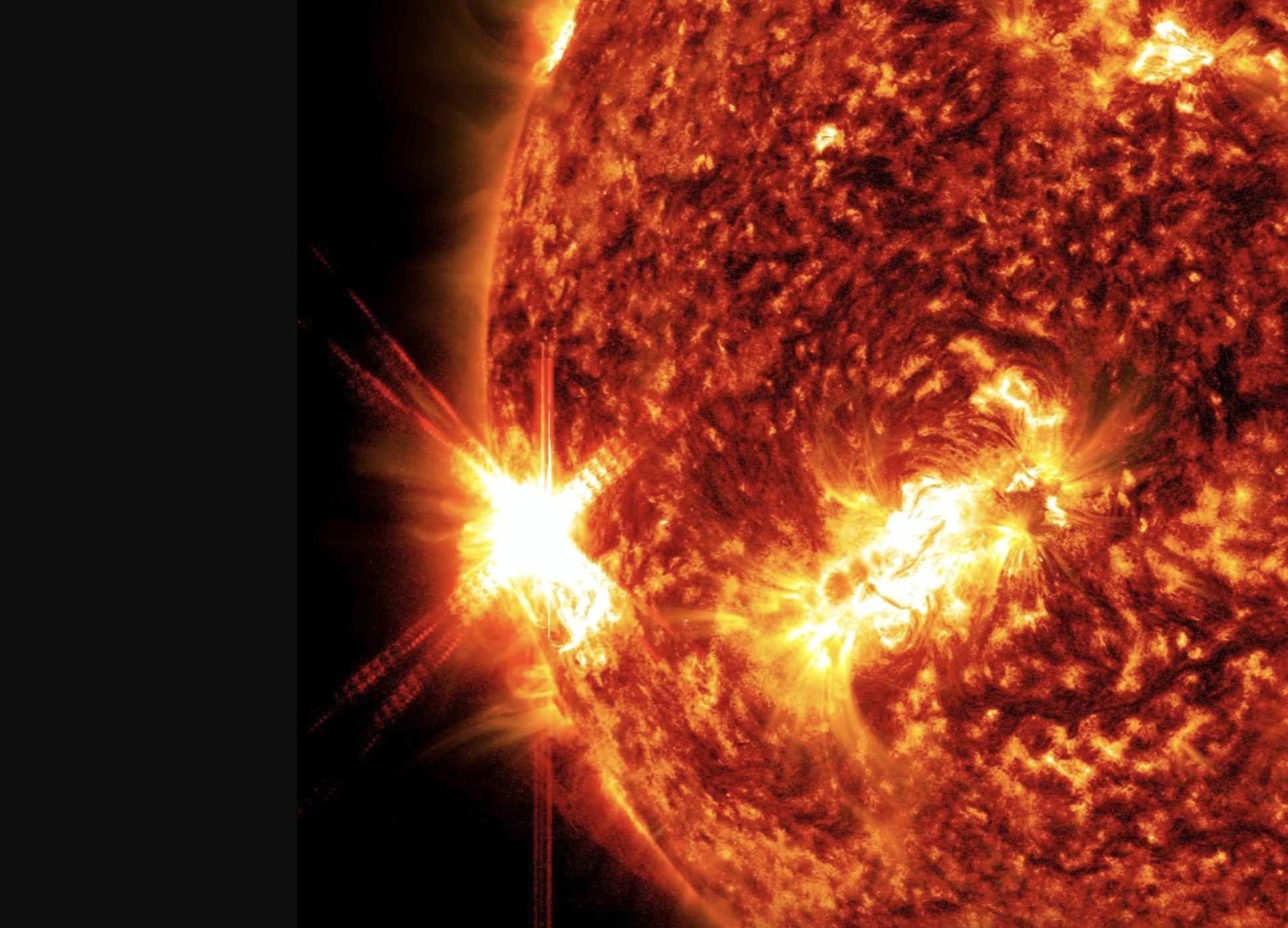
Introduction to Solar Flares
Solar flares are sudden bursts of energy emanating from the sun’s surface, reflecting intense magnetic activity. These powerful phenomena can have significant consequences for space weather and, consequently, for Earth. Understanding solar flares is crucial for predicting their effects on satellite communication, navigation systems, and even power grids. The recent uptick in solar activity has highlighted the importance of monitoring solar flares, shedding light on their occurrence and impacts.
Recent Solar Activity
In October 2023, astronomers observed a series of significant solar flares indicating an active phase of the solar cycle. Two powerful flares classified as X-class erupted, causing temporary radio blackouts over large portions of the Earth. On October 23, the strongest flare registered was an X2.5 level, followed by an even more intense X3.1 flare on October 25. These flares were accompanied by coronal mass ejections (CMEs), which can release billions of tons of solar material into space at high speeds, potentially colliding with Earth’s magnetosphere.
Effects of Solar Flares on Earth
The effects of solar flares can be broad, affecting technologies we rely on daily. Radio and satellite communications can become disrupted during a solar flare event, particularly impacting aviation and maritime navigation. Moreover, the flares can heighten radiation exposure for astronauts in space and can even lead to disturbances in the Earth’s magnetic field, causing geomagnetic storms.
In extreme cases, strong magnetic storms can create currents in power lines that might lead to transformer failures, as seen during the 1989 blackout in Quebec, Canada. This year’s solar events have prompted power grid operators to evaluate their contingency plans, ensuring technologies can withstand such solar phenomenas.
Conclusion and Future Outlook
As the sun approaches the peak of its 11-year solar cycle in 2025, scientists expect to see more frequent and intense solar flare activity. Monitoring these events is critical for minimizing their potential impacts on Earth. Governments and agencies like NASA and the National Oceanic and Atmospheric Administration (NOAA) are ramping up efforts in space weather forecasting to provide timely warnings and protect technological infrastructure. As solar science advances, our understanding and preparedness for solar flares will be essential for safeguarding Earth’s technological landscape.