
Introduction
Chris Kyle, often hailed as one of the most effective American snipers in military history, significantly impacted both the battlefield and civilian discourse on military service. His story resonates particularly today, as discussions about veterans’ mental health and the complexities of warfare become increasingly urgent. Understanding Kyle’s life offers insights not only into a soldier’s experiences but also into the broader issues surrounding American military engagement.
Chris Kyle: The Man Behind the Myth
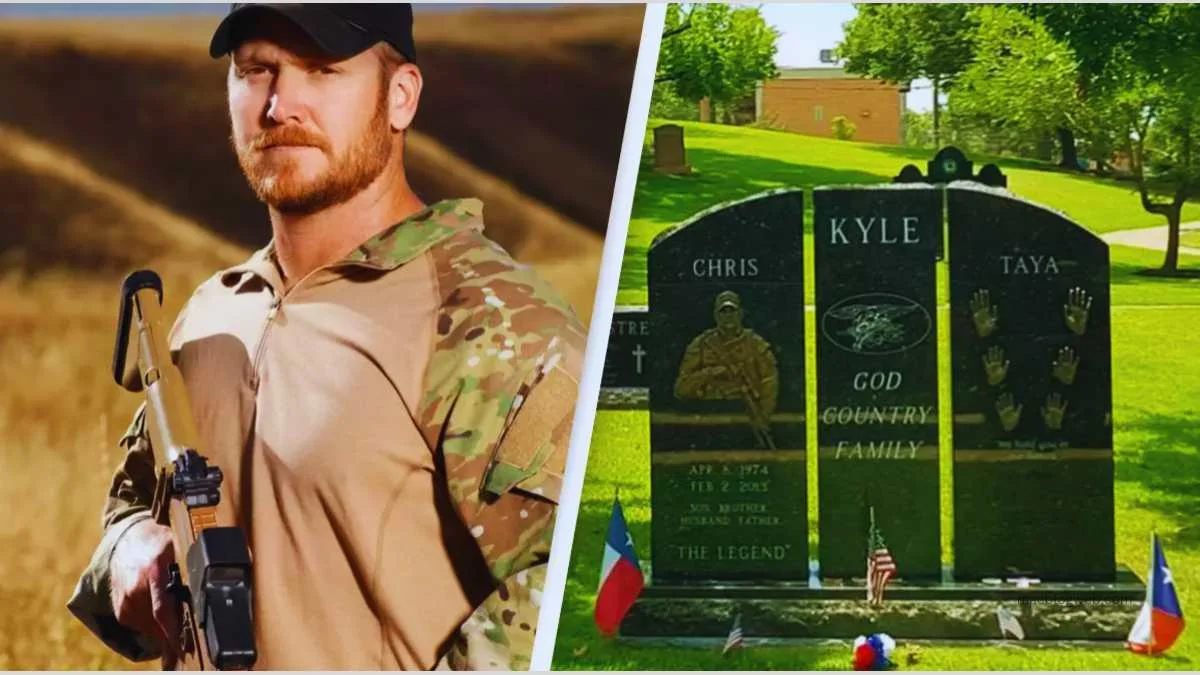
Born on April 8, 1974, in Odessa, Texas, Chris Kyle grew up in a gun-loving family, which instilled in him the skills and mindset he would later apply during his service in the Navy SEALs. After joining in 1999, he completed multiple tours in Iraq, recording 160 confirmed kills, a number that makes him one of the deadliest snipers in U.S. history. His service was marked by both commendation and controversy, as reports of his kills and their impact on civilians sparked intense debate.
The Book and Film Adaptation
In 2012, Kyle published his memoir, “American Sniper: The Autobiography of the Most Lethal Sniper in U.S. Military History.” The book gained significant attention, shedding light on the psychological toll of warfare and the moral complexities involving combat. In 2014, the memoir was adapted into a feature film directed by Clint Eastwood, starring Bradley Cooper as Kyle. The film’s tremendous success brought Kyle’s story to a global audience and raised awareness of veterans’ relationships with their military service.
After the Service and Tragic End
After retiring from the Navy in 2009, Kyle struggled with the transition to civilian life, combating PTSD and seeking to help fellow veterans through various initiatives, including the organization he co-founded, Fitco Cares. Sadly, his life was cut short on February 2, 2013, when he was murdered by a fellow veteran he was attempting to help. His tragic death highlighted the dire need for mental health resources for veterans and sparked a continuing conversation regarding their well-being.
Conclusion
The legacy of Chris Kyle continues to inspire and provoke thought on the realities of military life and its pervasive effects beyond the battlefield. As America grapples with its military engagements and the mental health crises faced by veterans, Kyle’s story serves as a poignant reminder of the sacrifices made by servicemen and women, and the importance of supporting their transitions to civilian life. Understanding Kyle’s legacy not only honors his memory but also informs ongoing discussions about how society can better serve its veterans.