
Introduction
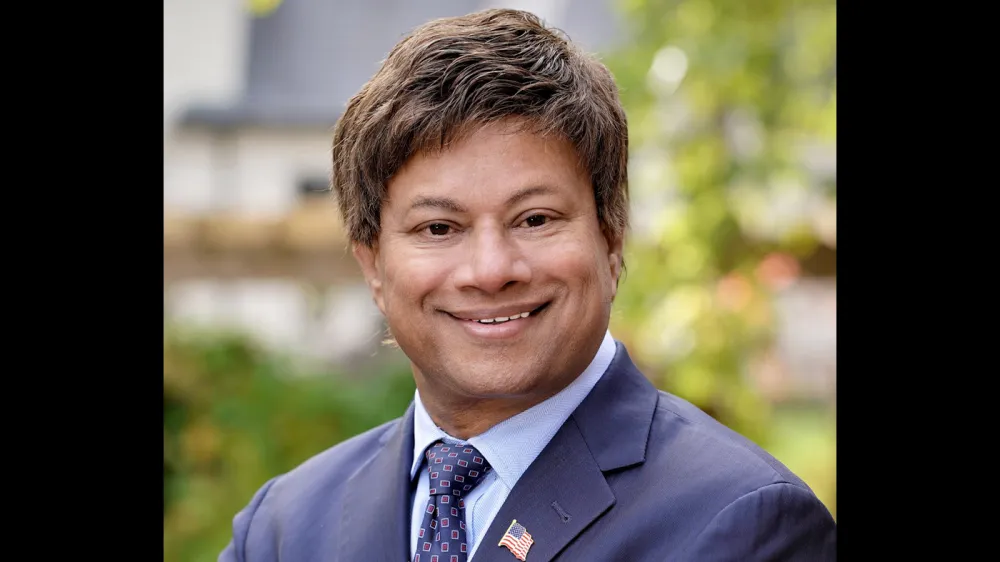
Shri Thanedar, a Democratic member of the Michigan House of Representatives, has been gaining considerable attention for his unique background and progressive policies. His journey from a businessman and entrepreneur to a significant political figure highlights the changing face of American politics. Thanedar’s story is not only about personal triumph; it reflects broader themes of diversity and innovation in the political landscape, making his work relevant to a growing number of constituents who seek authentic representation.
Background and Political Journey
Originally from India, Thanedar immigrated to the United States in the late 1980s. With a strong educational background, he earned a Ph.D. in chemical engineering and became a successful entrepreneur, founding a company that specialized in testing and consulting for the pharmaceutical industry. His transition to politics was motivated by a desire to effect change in his community and address pressing issues such as healthcare, education, and economic development.
His political career took off when he ran for the Michigan House of Representatives in the 2020 election, winning a seat that allowed him to bring his business acumen into legislative debates. His commitment to social justice and public service has resonated with voters, particularly in a district that values diversity and inclusion.
Recent Initiatives and Policies
In the current legislative session, Thanedar has been at the forefront of several initiatives aimed at improving healthcare access and equity in Michigan. He introduced a groundbreaking bill aimed at expanding Medicaid benefits, which could provide critical healthcare services to thousands of uninsured residents. Furthermore, his advocacy for educational reform has led to collaborative efforts to enhance resources for underfunded schools, reflecting his belief that education is the cornerstone of community development.
Additionally, Thanedar has shown a keen interest in environmental issues, actively supporting legislation focused on clean energy and climate change adaptations. His approach combines scientific research with community needs, striving for sustainable solutions that benefit both the economy and the environment.
Conclusion
Shri Thanedar’s rise in Michigan politics serves as an inspiring example of the possibilities within public service. As he continues to champion progressive policies, his influence is likely to grow, shaping not just local governance but also possibly paving the way for greater leadership roles in state and national politics. With an increasing number of constituents seeking representation that reflects their diversity, Thanedar’s contributions will be significant in defining the future of Michigan’s political landscape.