
Introduction
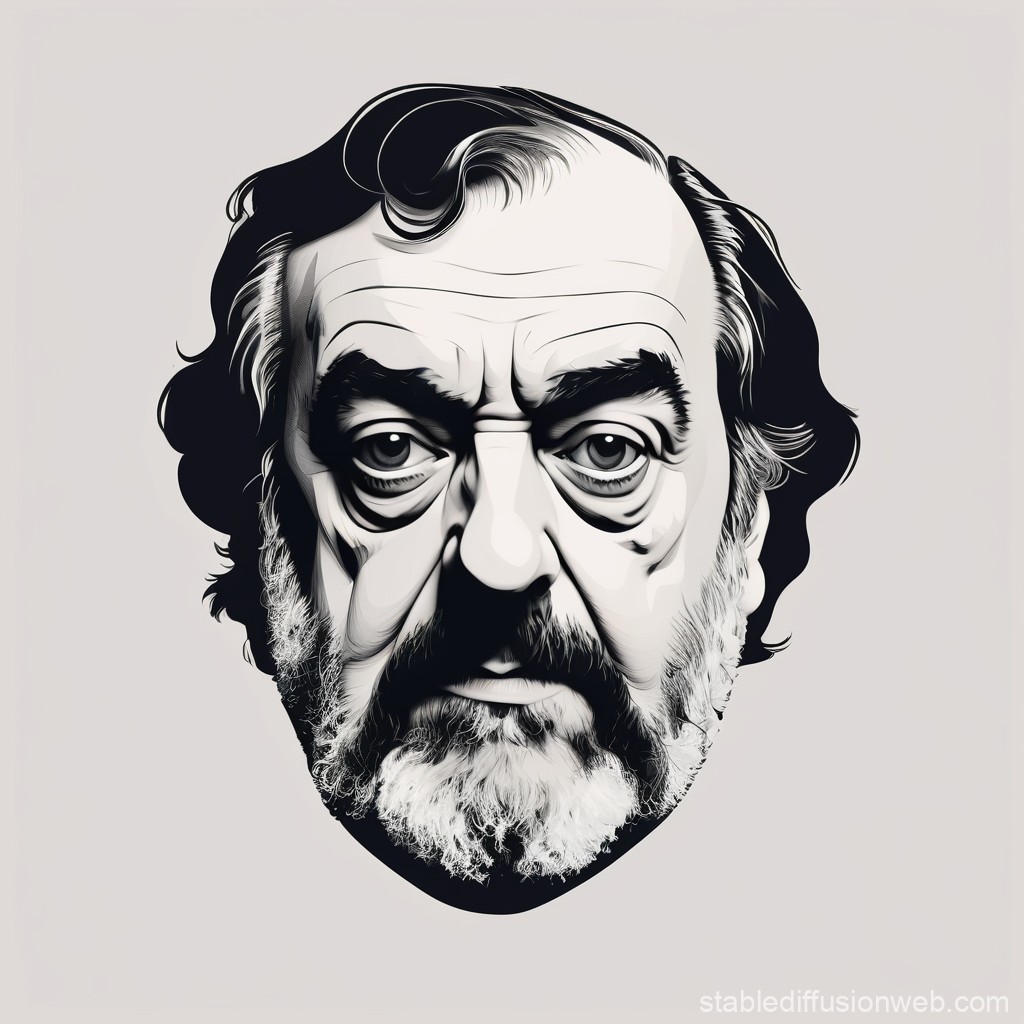
Stanley Kubrick remains one of the most influential and enigmatic filmmakers in cinema history. Known for his meticulous craftsmanship and visionary storytelling, Kubrick’s works have left an indelible mark on modern filmmaking and popular culture. His ability to explore complex themes through groundbreaking techniques makes his films essential viewing for anyone interested in the art of cinema.
Life and Career
Kubrick was born on July 26, 1928, in New York City. He began his career as a photographer for Look magazine before transitioning into filmmaking. His first feature, Fear and Desire (1953), was a modest start, but Kubrick quickly gained recognition for his subsequent films, including Paths of Glory (1957) and Spartacus (1960).
However, it was his 1968 film 2001: A Space Odyssey that cemented his status as a cinematic visionary. The film’s pioneering special effects, abstract narrative, and philosophical depth redefined the science fiction genre and is often cited as one of the greatest films of all time.
Innovative Techniques and Themes
Kubrick was known for his obsessive attention to detail and innovative techniques. He often employed groundbreaking filming methods, such as the use of natural lighting in Barry Lyndon (1975) and the front projection technology in The Shining (1980). His films frequently addressed themes of obsession, dystopia, and the human condition, challenging audiences and prompting deep reflection.
Recent Celebrations and Influence
As we approach the 50th anniversary of A Clockwork Orange (1971), film scholars and enthusiasts are celebrating Kubrick’s legacy through retrospectives and discussions about his influence on contemporary cinema. Directors like Christopher Nolan and David Fincher have cited him as a primary influence, embracing his narrative complexity and stylistic boldness in their own works.
Conclusion
Stanley Kubrick’s films continue to resonate with audiences, challenging viewers to confront profound questions and explore the nature of reality. As new generations discover his work, Kubrick’s impact on the film industry, and culture at large, remains significant. His commitment to storytelling through innovation and artistry ensures that he will always be remembered as a true master of the cinematic form.