
Introduction
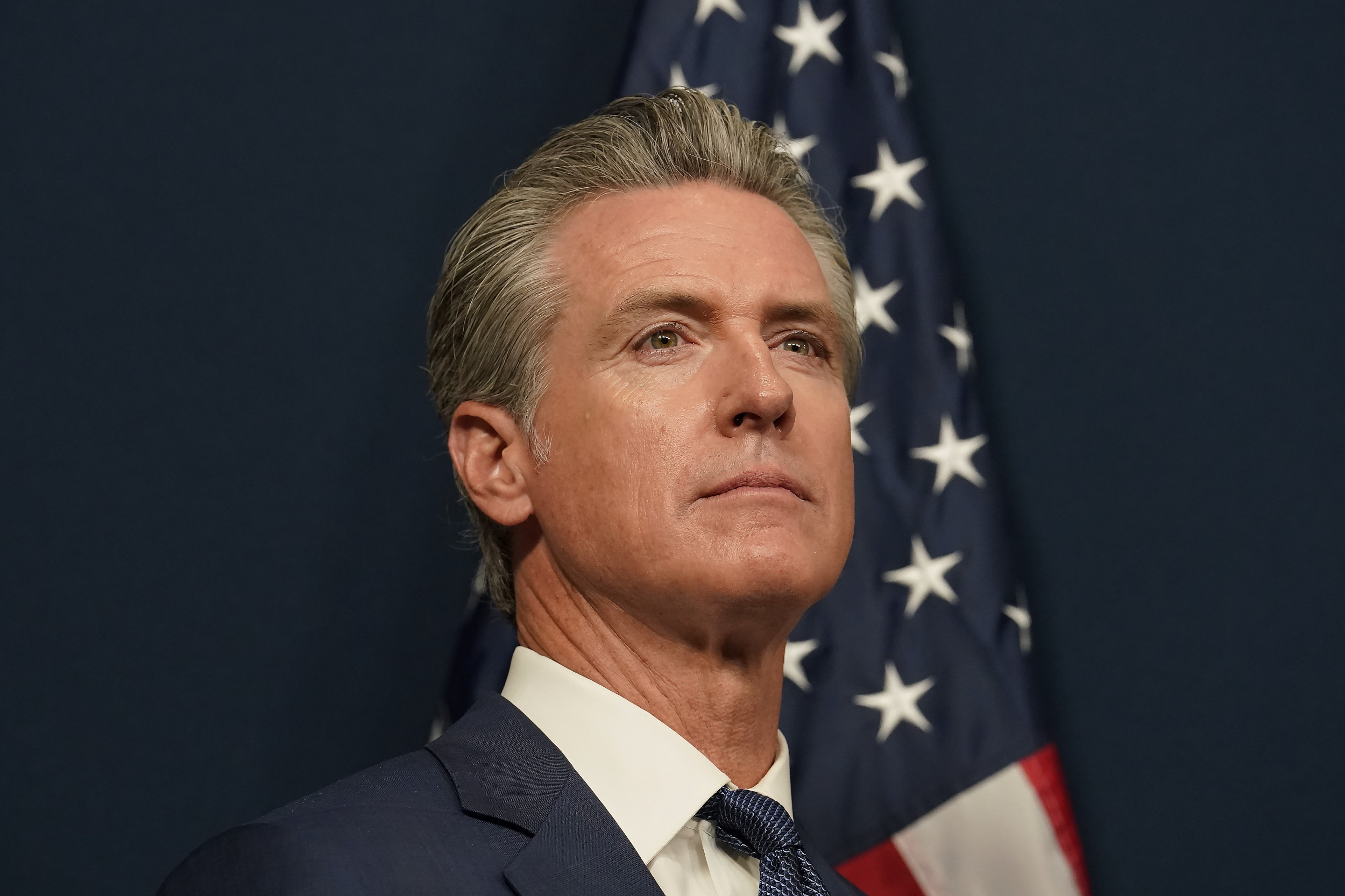
Gavin Newsom, the 40th Governor of California, has been at the forefront of state politics since his inauguration in 2019. His leadership has been characterized by a focus on progressive policies, addressing climate change, healthcare reform, and housing crises. In a state that often sets trends for the nation, Newsom’s actions not only impact California residents but also resonate across the United States, making his policies and initiatives crucial for understanding the future of governance in America.
Recent Initiatives and Policies
In recent months, Governor Newsom has made headlines with his approach to tackling key issues facing California. One of the most prominent initiatives includes his commitment to expand access to affordable healthcare. In response to rising costs, he has introduced legislation aimed at reducing prescription drug prices and expanding Medi-Cal, the state’s Medicaid program, to cover more low-income residents.
Additionally, Newsom has prioritized environmental sustainability, recently signing a bill aimed at accelerating the transition to electric vehicles (EVs). His administration has set an ambitious goal to ban the sale of new gasoline-powered cars by 2035, a move praised by environmentalists and criticized by some automotive industry groups, underscoring the polarized views on climate policies.
The housing crisis also remains a pressing issue that Newsom has sought to address. In a bid to ease the housing shortage, he has proposed new zoning laws to allow more multifamily housing developments and has championed initiatives to increase funding for affordable housing projects. These proposals have ignited discussions about the balance between development, community identity, and preserving green spaces.
Challenges Ahead
Despite these initiatives, Governor Newsom encounters significant challenges as he navigates through a politically diverse landscape. The recent recall election campaign he faced in 2021 underscored the opposition he faces from various factions within the state. Furthermore, California’s complex relationship with federal policies and the ongoing impacts of the COVID-19 pandemic complicate his plans. With inflation rising and economic concerns mounting, how Newsom addresses these issues will be critical in the upcoming elections.
Conclusion
As Gavin Newsom continues to lead California through its multifaceted crises, his administration’s responses will shape not only the immediate future of the state but may also provide a roadmap for progressive governance in other regions. Stakeholders and citizens alike are watching closely as the policies implemented today will have long-lasting effects on California’s economy, environment, and social fabric. In the coming months and years, the success or failure of these initiatives will determine his legacy and the direction of California’s progressive movement.