
Introduction
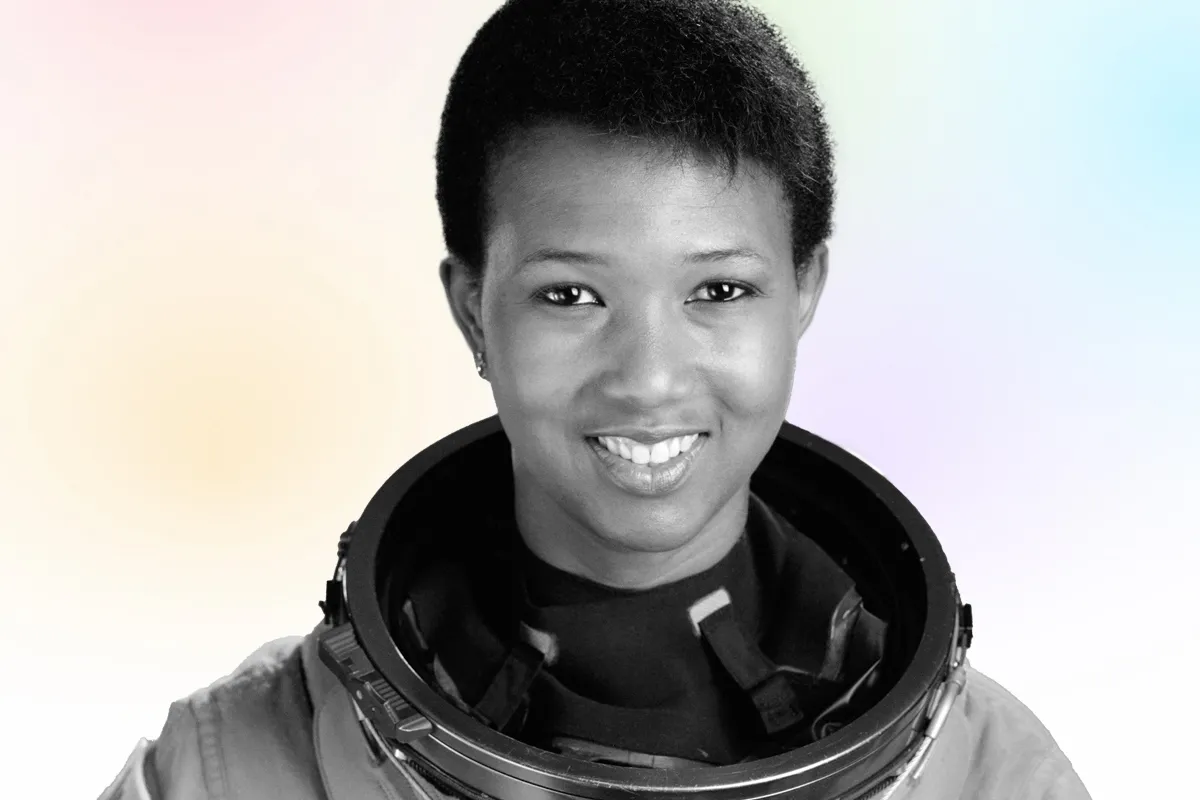
Mae Jemison, a name synonymous with breaking barriers in space exploration, is celebrated as the first African American woman to travel in space. Her journey aboard the Space Shuttle Endeavour on September 12, 1992, marked a seminal moment in history, highlighting the importance of diversity in STEM (Science, Technology, Engineering, and Mathematics) fields. As the world continues to explore outer space, Jemison’s contributions and insights remain incredibly relevant, inspiring future generations of scientists and astronauts.
Early Life and Education
Born on October 17, 1956, in Decatur, Alabama, Mae Jemison displayed a curiosity for science and the arts from an early age. She pursued her education at Stanford University, where she earned a degree in chemical engineering and a second degree in African and African-American studies. After obtaining her medical degree from Cornell University, Jemison worked as a physician in various settings, including the Peace Corps in West Africa.
Historic Space Flight
Jemison joined NASA in 1987 and underwent rigorous training to become an astronaut. Her historic flight on the Endeavour lasted nearly eight days, during which she conducted experiments in material science and the effects of space on the human body. This mission not only solidified her place in history but also demonstrated the potential for diverse individuals to contribute to space science and exploration.
Post-NASA Career and Advocacy
After her time at NASA, Jemison founded the Dorothy Jemison Foundation for Excellence, focusing on STEM education and outreach. She is committed to promoting science and technology to underrepresented communities, encouraging young minds, especially girls and minorities, to pursue careers in these fields. Additionally, she has appeared on various media platforms, including television shows and documentaries, to share her story and insights on the importance of scientific literacy and education.
Conclusion
Mae Jemison’s pioneering journey in space and her ongoing advocacy for inclusiveness in STEM have left an indelible mark on society. As humanity advances further into space exploration, the significance of having diverse perspectives and backgrounds in this field continues to grow. Jemison’s achievements serve as a beacon of inspiration for future scientists and astronauts, reinforcing the idea that with vision and determination, barriers can be broken. The legacy of Mae Jemison will undoubtedly continue to inspire generations to come.