
Introduction
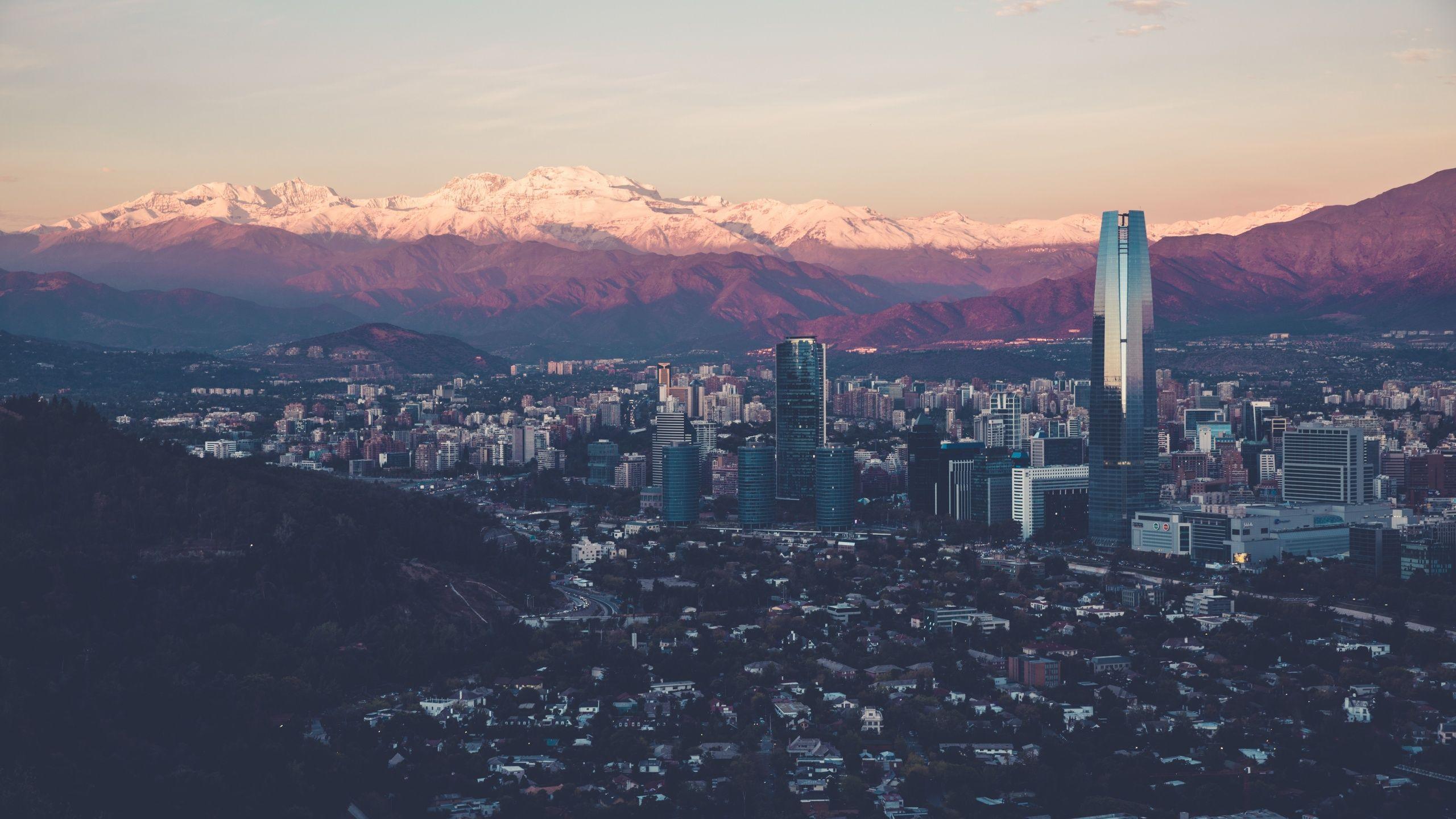
Chile, a country known for its stunning landscapes and rich cultural heritage, is currently experiencing significant social, political, and environmental transformations. As a nation that has been at the forefront of both agricultural innovation and climate policy, the recent events in Chile are crucial for understanding the future direction of the country and its impact on the global front.
Recent Political Changes
In the recent presidential elections held in November 2021, Gabriel Boric, a former student leader and advocate for social reforms, was elected president. His administration has focused on addressing issues such as economic inequality and environmental sustainability. In the past months, Boric has proposed various reforms aimed at increasing social protections and advancing climate initiatives. In August 2023, significant strides were made with the approval of new policies on renewable energy, aimed at reducing the country’s dependence on fossil fuels by 50% by 2030.
Social Movements and Protests
Chile has a history of social activism, and in 2023, the country has seen a resurgence of protests. Issues surrounding education, healthcare, and pensions have driven thousands of Chileans to the streets. The government has responded by proposing comprehensive reforms to public services, which have been met with both support and resistance among the populace. International observers emphasize that the effectiveness of Boric’s government in addressing these social concerns will be pivotal for long-term stability.
Environmental Challenges
Chile is not only facing social and political challenges but also environmental issues, particularly regarding its vast natural resources. The country is a leading producer of copper and lithium, essential components in tech manufacturing and battery production. As global demand for these metals rises, so do the concerns regarding sustainable extraction methods. In 2023, the Chilean government has initiated several environmental impact assessments to ensure responsible mining practices that would protect its unique ecosystems while supporting the economy.
Conclusion
The developments in Chile resonate well beyond its borders, with implications for global economic trends and environmental policies. As the Boric administration continues to address pressing issues, the outcomes of their policies will serve as a critical case study for other nations grappling with similar social and environmental challenges. Observers predict that if Chile successfully implements these reforms, it could become a leading model for sustainable development in Latin America and beyond.