
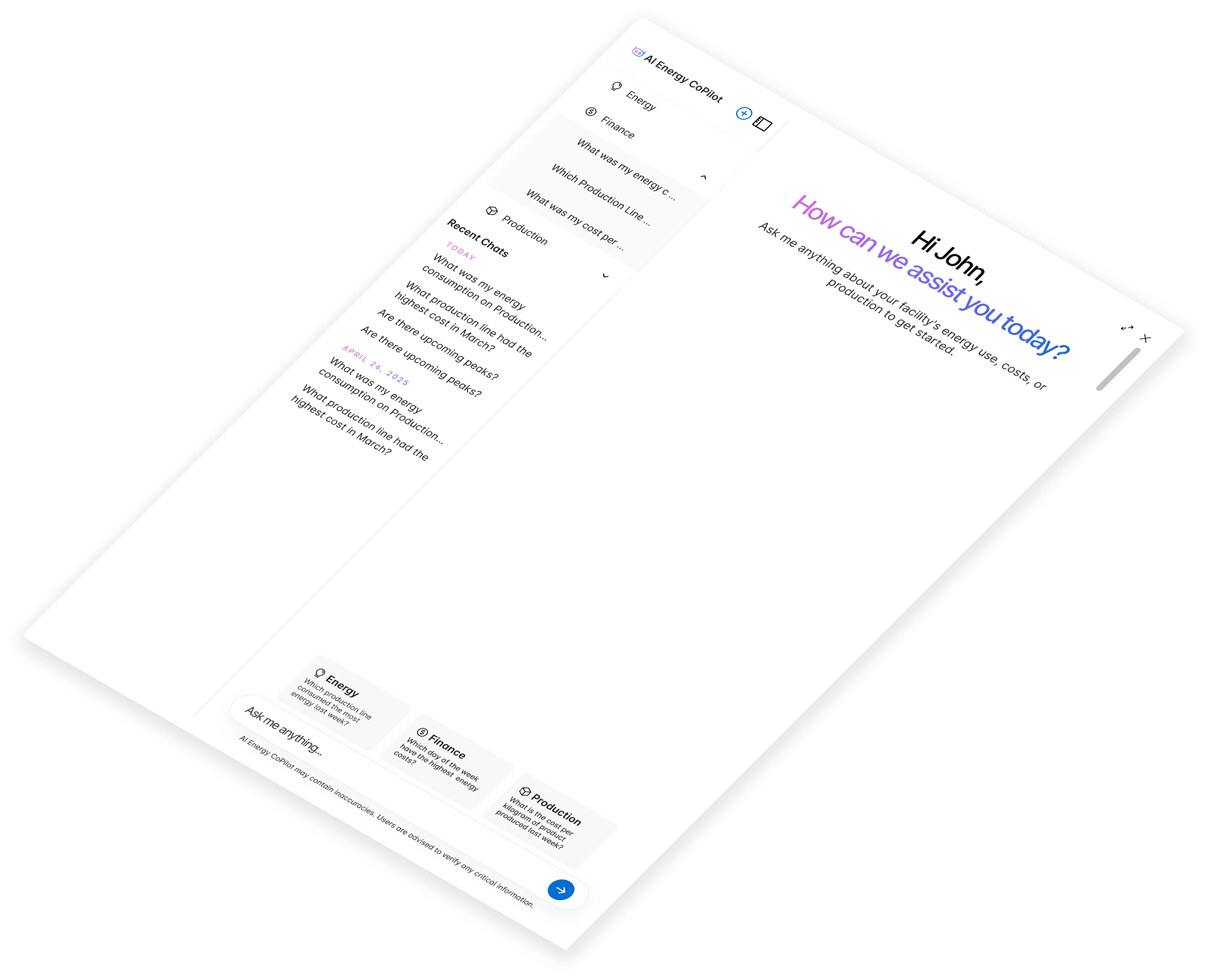
Introduction to Copilot AI
In the fast-evolving landscape of artificial intelligence, Copilot AI stands out as a pivotal development that enhances productivity and streamlines workflows across numerous industries. With the capability to assist users in a variety of tasks, Copilot AI tools aim to complement human efforts, making them not only relevant but essential in today’s tech-driven environment.
What is Copilot AI?
Copilot AI refers to AI systems designed to augment human tasks, primarily in professional settings. These systems utilize machine learning algorithms and natural language processing to interpret user inputs and provide real-time feedback or solutions. For instance, Microsoft has been at the forefront of integrating Copilot AI into its Office suite, offering functionalities that can draft emails, summarize documents, or generate data insights.
Recent Developments
2023 has witnessed a surge in the adoption of Copilot AI across various sectors, particularly in software development, content creation, and customer service. For example, GitHub’s Copilot has revolutionized coding by assisting programmers in writing code more efficiently. Similarly, the integration of AI in customer service through chatbots has improved response times and enhanced user experience.
Benefits of Copilot AI
The rise of Copilot AI brings several advantages. Primarily, it saves time and reduces workload by automating repetitive tasks. This allows professionals to focus on more strategic elements of their roles. Furthermore, the accuracy of AI suggestions is continuously improving, benefiting decision-making processes. Reports indicate that companies integrating Copilot AI are seeing productivity increases of up to 30% as employees leverage AI to enhance their capabilities.
Challenges and Considerations
While Copilot AI presents significant advantages, it also raises challenges, particularly concerning data privacy and ethical use of AI. Concerns about the potential for bias in AI algorithms and the implications of dependency on such systems are at the forefront of discussions among industry leaders and policymakers. Organizations must therefore proceed thoughtfully, ensuring comprehensive user training and adherence to ethical guidelines.
Conclusion
As Copilot AI continues to evolve and integrate into various sectors, its significance in enhancing productivity and efficiency cannot be understated. The tools developed under this AI umbrella are not merely transformative; they are positioning themselves as essential partners in the workplace. As companies work towards refining these technologies while addressing associated challenges, the landscape of work as we know it is bound to change, paving the way for a future where human ingenuity and AI collaboration coalesce.