
Introduction
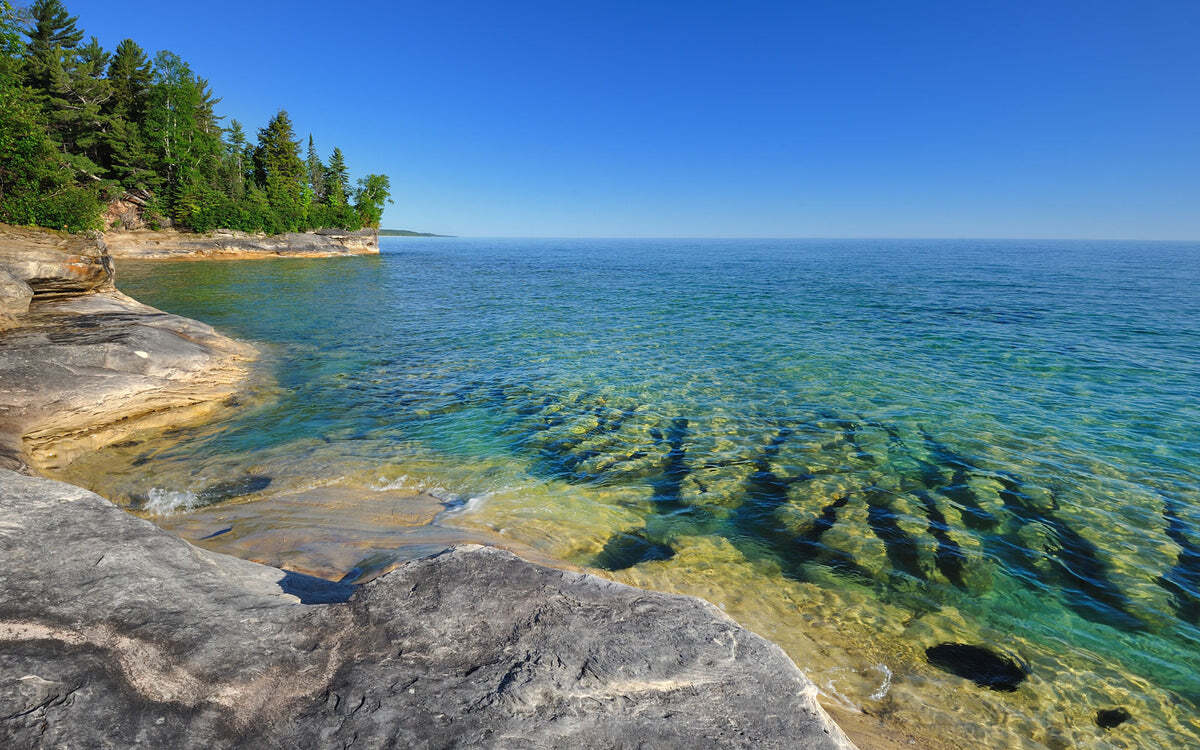
The Great Lakes, encompassing Lake Superior, Lake Michigan, Lake Huron, Lake Erie, and Lake Ontario, are a vital natural resource and ecological marvel in North America. Covering over 94,000 square miles, they represent the largest group of freshwater lakes by total area in the world. Home to diverse ecosystems, they are crucial for drinking water, transportation, agriculture, and recreation for millions living in the surrounding regions.
Current Events Affecting the Great Lakes
In recent years, the Great Lakes have faced numerous environmental challenges, including invasive species, pollution, and climate change. One alarming trend is the increasing presence of harmful algal blooms, which have been fueled by nutrient runoff from agricultural practices and urban development. In 2023, a study by the National Oceanic and Atmospheric Administration (NOAA) indicated a significant rise in algal blooms, particularly in Lake Erie, raising concerns over water quality and public health.
Furthermore, initiatives like the Great Lakes Restoration Initiative (GLRI) continue to tackle these pressing concerns. Funding approximately $300 million annually, the GLRI aims to restore habitats, clean up contaminated sites, and manage invasive species. Recent successes include the restoration of wetland areas that support diverse wildlife and help filter pollutants from the water.
Economic and Social Significance
The economic significance of the Great Lakes cannot be understated. They contribute approximately $7 billion to the regional economy annually, primarily through fishing, tourism, and shipping industries. Ports along the Great Lakes facilitate the transport of goods throughout the Midwest, making it a crucial corridor for commerce.
Moreover, they provide recreational opportunities for millions. From boating, fishing, and swimming to hiking along the scenic shorelines, the Great Lakes attract millions of visitors each year, fostering a strong tourism economy in states like Michigan and Wisconsin.
Conclusion
The Great Lakes remain an essential natural resource facing critical environmental challenges. As efforts to protect and restore their health continue, public awareness and involvement are key to ensuring the sustainability of these vital waterways for future generations. Ongoing research and policy initiatives will play a significant role in maintaining the ecological integrity and economic viability of the Great Lakes, which are not only a key feature of America’s landscape but also a linchpin in the lives of those who depend on them.