
Introduction
High wind warnings are critical alerts issued by meteorological services when wind speeds reach potentially hazardous levels. These warnings are essential for public safety, helping individuals and businesses prepare for severe weather conditions that could lead to dangerous situations like fallen trees, power outages, and travel disruptions. As climate change continues to influence weather patterns worldwide, understanding high wind warnings becomes increasingly vital.
Details of Recent High Wind Warnings
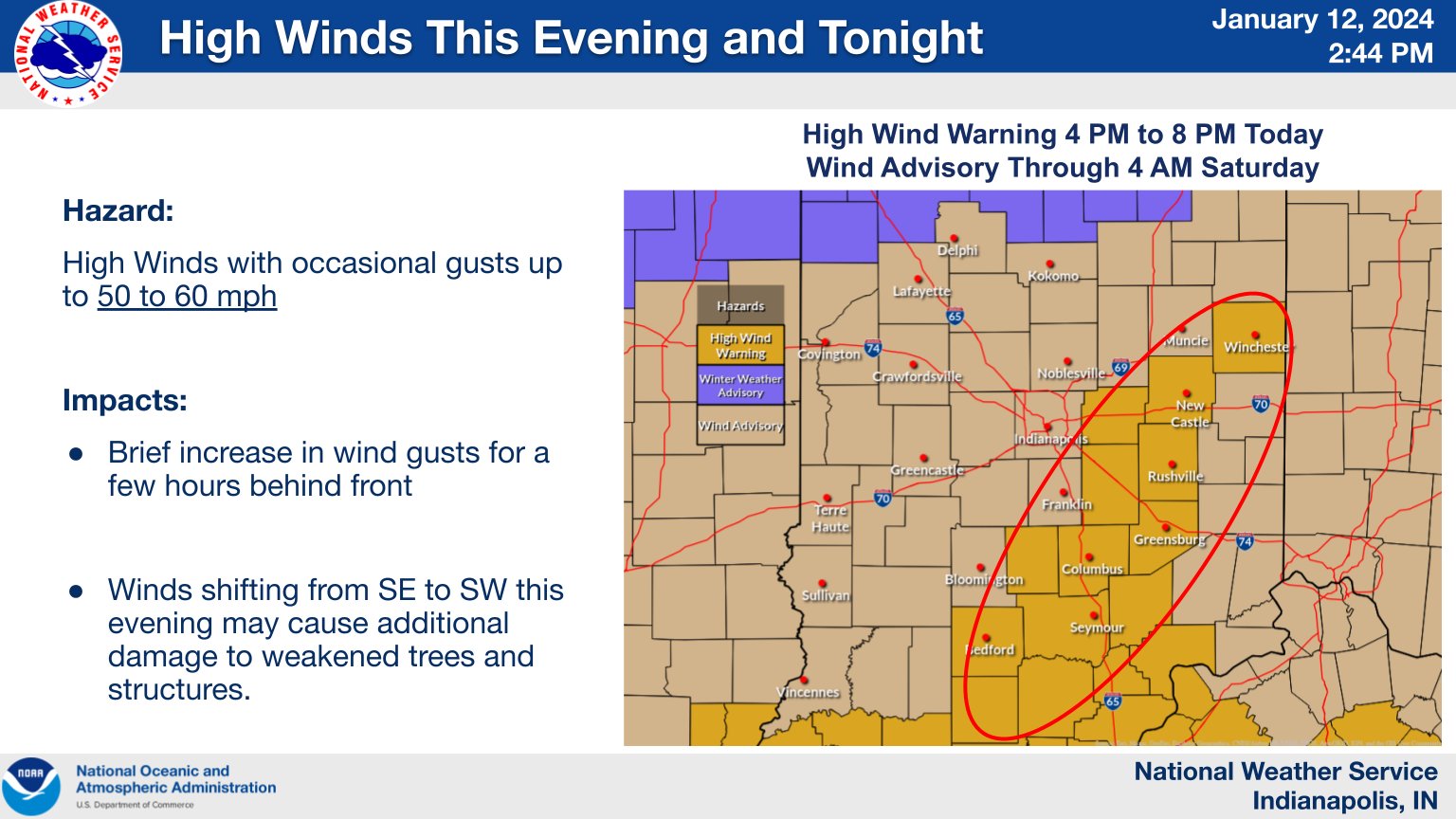
Recently, several regions across the United States experienced significant high wind warnings, particularly in the Midwest and the East Coast. The National Weather Service (NWS) issued alerts after forecasts predicted wind gusts could reach up to 60 mph in areas of Michigan and Ohio. These warnings prompted local authorities to advise residents to secure loose objects, avoid outdoor activities, and be prepared for possible power outages.
On October 15, 2023, a powerful cold front moved across the country, contributing to the unstable weather and high winds. Weather experts explain that such fronts can create sudden atmospheric pressure changes, leading to dangerous wind conditions. High profile vehicles, pedestrians, and structures are especially susceptible to damage during these high winds, making timely warnings crucial for ensuring public safety.
Impact and Safety Precautions
High wind events can cause considerable disruption. The threat of downed power lines, flying debris, and even potential structural damage can arise from sustained high winds. It’s recommended that individuals stay indoors during such warning periods, keep emergency kits handy, and remain informed through reliable weather updates. Additionally, certain industries, such as agriculture and construction, must take extra precautions, as high winds can severely affect operations and safety standards.
Conclusion
High wind warnings serve as a critical component in preventive weather safety. By paying attention to these warnings and understanding their implications, individuals and communities can take proactive measures to protect themselves and mitigate risks during severe weather events. As climate variability continues to challenge weather norms, staying informed about wind warnings will be vital. Forecasters and local authorities urge residents to heed these alerts, especially as wind events are predicted to increase in frequency due to shifting climate patterns.