
Introduction
As the winter season approaches its peak, extreme cold warnings have become a pressing topic across many regions in the United States. With temperatures plummeting, it is crucial for residents to understand the implications of these warnings and to take the necessary precautions. Staying informed and prepared can significantly reduce the risks associated with cold weather, which can lead to serious health hazards and safety concerns.
Current Extreme Cold Warnings
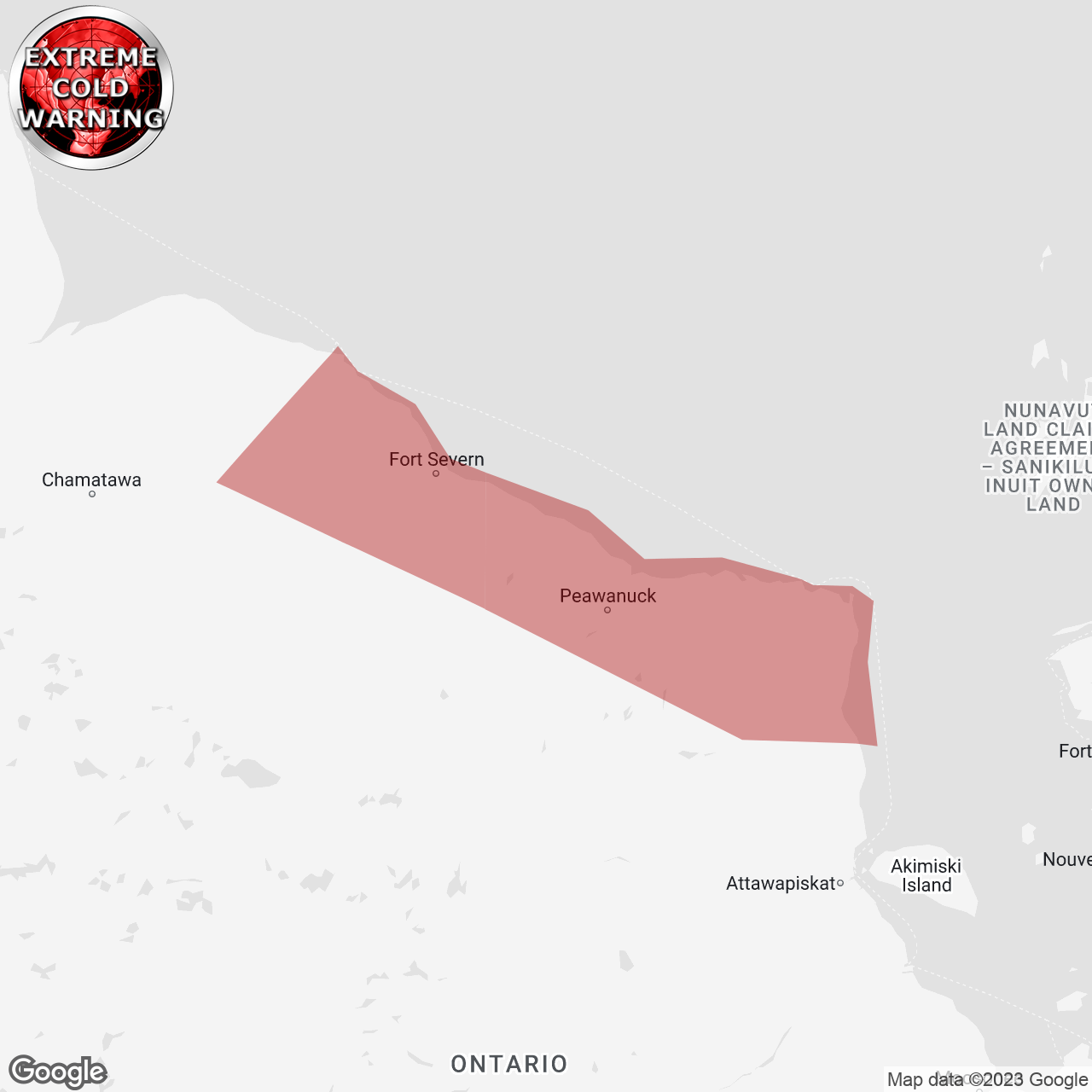
Recently, the National Weather Service (NWS) issued extreme cold warnings for several states, including the northern regions of the Midwest and parts of the Northeast. Reports indicate that temperatures may drop below zero degrees Fahrenheit with wind chill factors making it feel even colder. Areas such as Minnesota, Wisconsin, and North Dakota are among the most affected, where wind chills could reach critical levels, prompting authorities to remind residents about the serious risk of frostbite and hypothermia.
Impact on Daily Life
The extreme cold can have a wide range of impacts. Transportation systems can be adversely affected, leading to flight delays and unsafe driving conditions. Schools in severely affected areas may close or delay openings to ensure the safety of children. Public services also face challenges, as additional heating resources may be needed to support those without access to adequate heating.
Safety Precautions
In light of these warnings, individuals are encouraged to take certain safety precautions. The Centers for Disease Control and Prevention (CDC) offers the following tips:
- Dress in layers to retain body heat.
- Stay indoors as much as possible, particularly during peak cold hours.
- Ensure your home heating system is functional and regularly inspected.
- Check on neighbors and those who may be vulnerable to extreme temperatures.
- Keep emergency supplies, including food, water, and blankets, on hand.
Conclusion
The current extreme cold warnings highlight the importance of preparedness during the winter season. By understanding the risks and following safety guidelines, individuals can protect themselves and their families. As weather patterns continue to change and become more unpredictable, staying informed about weather updates and preparing for extreme conditions will be vital. Residents are urged to heed local advisories and to prioritize safety above all else during this period of extreme cold.