
Introduction
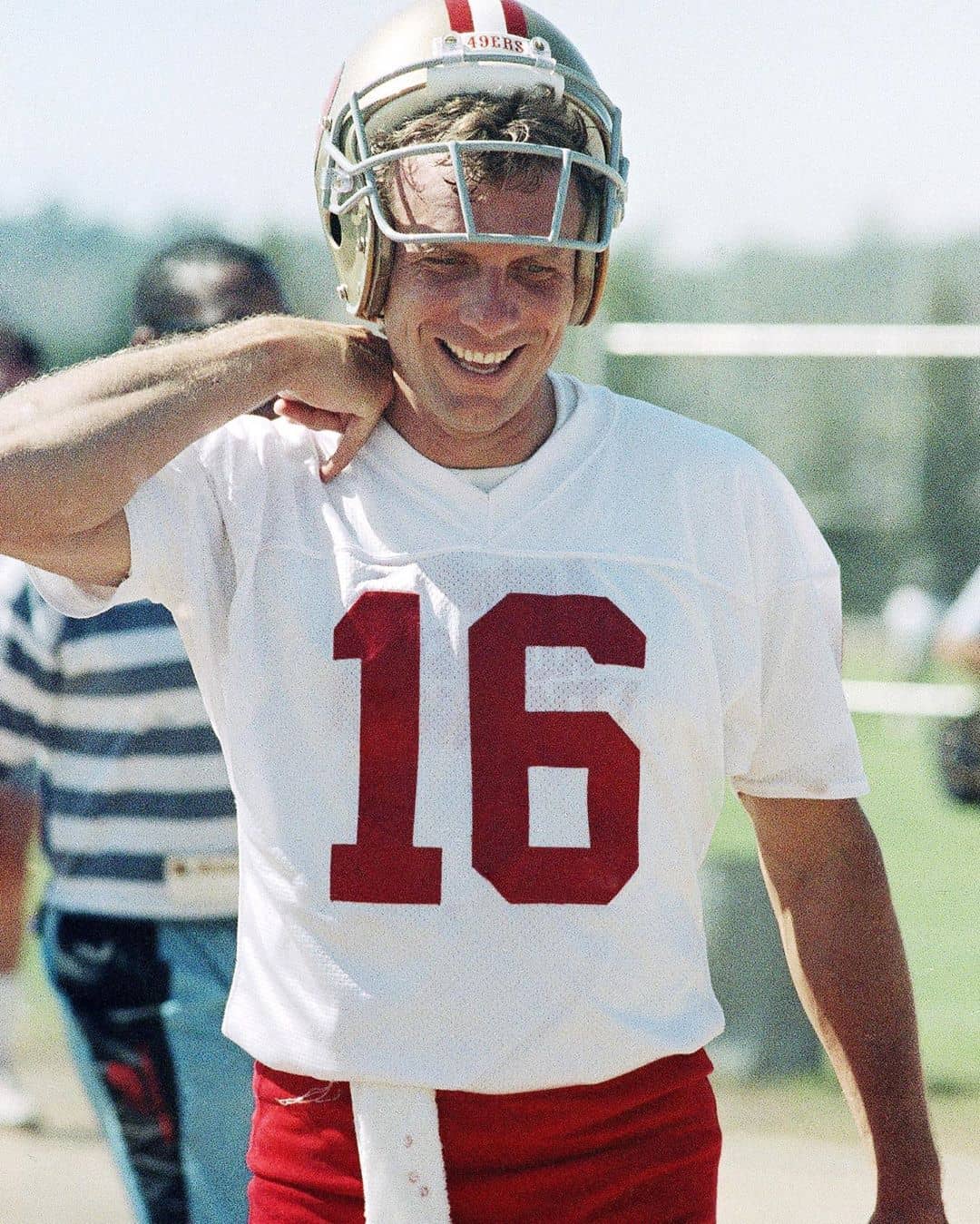
Joe Montana, often regarded as one of the greatest quarterbacks in National Football League (NFL) history, transcended the game with his exceptional skills and leadership on the field. His influence in American football goes beyond his impressive statistics; it’s also about the winning mentality and resilience he brought to the San Francisco 49ers. Understanding Montana’s journey, from college football to the NFL Hall of Fame, remains relevant in today’s sports discussions as his legacy continues to inspire future generations of players and fans.
Early Life and College Career
Born on June 11, 1956, in New Eagle, Pennsylvania, Joe Montana exhibited a passion for sports from an early age. He attended the University of Notre Dame, where he became a star quarterback. Under coach Ara Parseghian and later Dan Devine, Montana led the Fighting Irish to a national championship victory in 1977, cementing his status as a future NFL star. His poise under pressure gained him the nickname ‘Joe Cool.’
NFL Career and Achievements
In the 1979 NFL Draft, Montana was selected in the third round by the San Francisco 49ers. The team struggled in his early years, but under the guidance of coach Bill Walsh, they developed the West Coast offense, which perfectly suited Montana’s skill set. During his career, Montana led the 49ers to four Super Bowl titles (XVI, XIX, XXIII, XXIV), earning Super Bowl MVP honors three times. He retired with numerous records, including a remarkable passer rating in the Super Bowl and a reputation for performing in clutch situations.
Montana’s ability to perform in high-pressure games solidified his status as a legendary figure in the sport. His Super Bowl victories, especially the memorable 92-yard touchdown drive against the Cincinnati Bengals in Super Bowl XXIII, exemplified his composure and skill.
Post-Career Influence and Honors
After retiring in 1995, Joe Montana’s impact on the game didn’t cease. He became an influential figure in sports commentary and philanthropy, advocating for youth sports programs. Inducted into the Pro Football Hall of Fame in 2000, Montana’s legacy continues to inspire athletes. His jersey number 16 was retired by the San Francisco 49ers, a testament to his remarkable contributions to the franchise and the sport.
Conclusion
Joe Montana’s story is not just about his incredible statistics or championships; it is about the grit and determination that leads individuals to excel in competitive environments. As fans celebrate his legacy today, the lessons learned from his persona and career—persistence, preparation, and the will to win—remain relevant, highlighting the ongoing significance of Joe Montana in football history and sports at large.