
Introduction
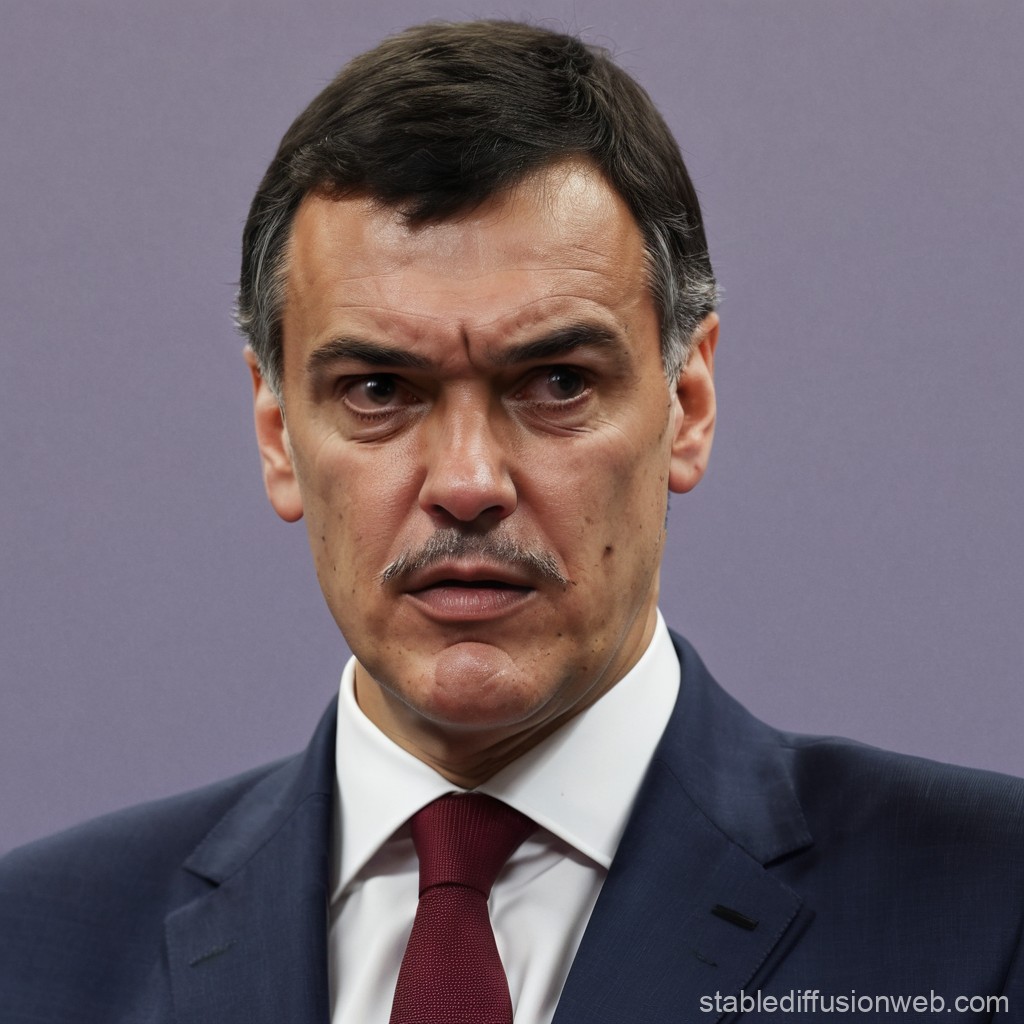
Pedro Sanchez, the current Prime Minister of Spain and leader of the Spanish Socialist Workers’ Party (PSOE), has significantly shaped the country’s political landscape since taking office in June 2018. His leadership during challenging times, including the COVID-19 pandemic and economic recovery efforts, has made his role increasingly important. Sanchez’s policies have an essential impact not only on Spain’s social and economic structures but also on its position within the European Union.
Recent Developments
In recent months, Sanchez’s government has focused on several key issues, including inflation control, employment growth, and climate change initiatives. The economy, which faced a tough backdrop due to rising energy prices, has shown resilience, with projections estimating a GDP growth of about 2.1% for 2023. Sanchez has emphasized measures to alleviate the cost of living and support vulnerable populations. In early October, he announced new policies aimed at reducing energy dependence and promoting sustainable practices.
Moreover, Sanchez’s administration has also prioritized social policies, such as advancements in healthcare and education, and has pushed for gender equality through various legislative initiatives. These efforts reflect a broader trend in his governance, which aims to combine economic recovery with social equity.
Upcoming Elections and Political Challenges
As Spain heads towards the general elections scheduled for 2024, Sanchez faces stiff competition not only from traditional rivals such as the People’s Party (PP) but also from emerging parties on the right like Vox. Recent polls indicate a competitive race ahead, with public sentiment divided on issues such as national sovereignty, immigration, and social reforms.
Additionally, the coalition government’s stability has been questioned due to internal disagreements and regional tensions in Catalonia and the Basque Country. Sanchez must navigate these complex challenges while maintaining party unity and voter support amidst criticisms from opposition parties regarding his handling of economic and social issues.
Conclusion
Pedro Sanchez remains a crucial figure in Spain’s evolving political context. His administration’s ability to address pressing social issues and economic recovery will likely define the country’s path in the upcoming years. Sanchez’s leadership style—marked by collaboration, dialogue, and progressive policies—reflects a commitment to modernize Spain while addressing its historic challenges. The upcoming elections will be a test not only for Sanchez but also for the direction Spain will take in the near future. Keeping an eye on these developments is essential for anyone interested in European politics.