
Introduction to Skeleton Olympics
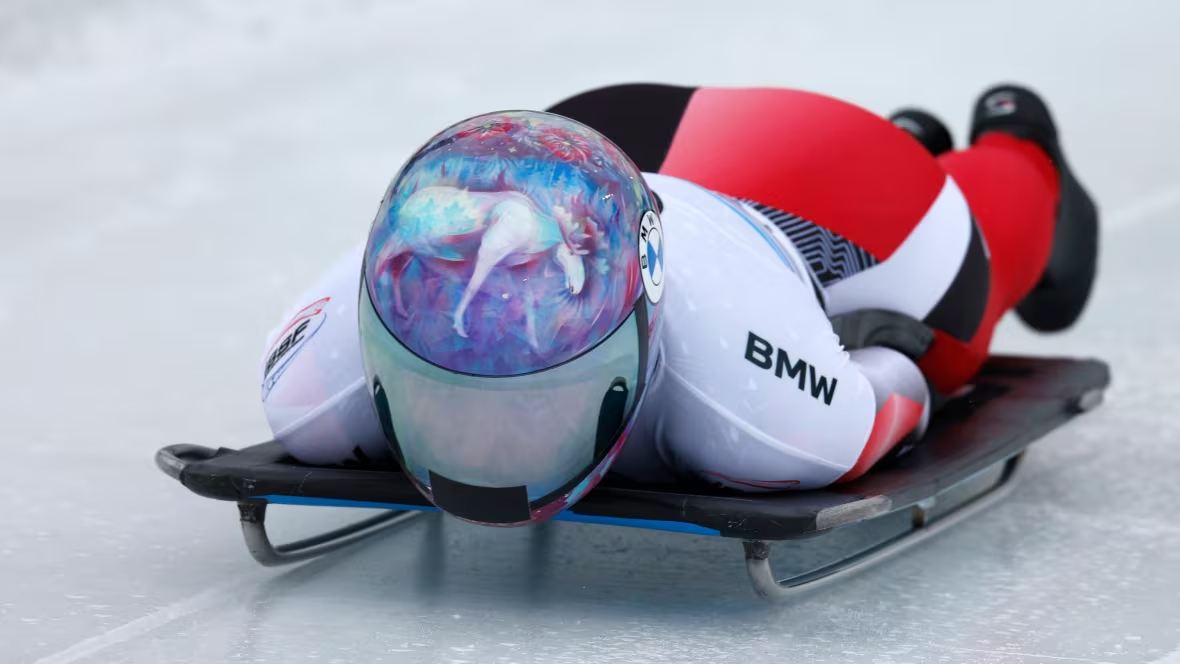
The Skeleton Olympics is a thrilling winter sport that features individual athletes navigating a small sled down a narrow, twisting track at astonishing speeds. Ranking among the most exciting events of the Winter Olympics, Skeleton captivates audiences with its combination of speed, precision, and nerve. As athletes prepare and train for the upcoming 2026 Winter Olympics in Milan-Cortina, the sport garners significant attention for its unique characteristics and intense competition.
The Sport of Skeleton
Returning in its modern form to the Olympics in 2002, Skeleton combines elements of both bobsleigh and luge but is distinguished by its head-first approach. Competitors lie on their stomachs on a small sled, steering by shifting their body weight. The tracks used for Skeleton are designed with a series of curves and drops that test the athletes’ skills and bravery. Competitors can reach speeds of up to 90 miles per hour, facing G-forces that push their limits and demand exceptional physical and mental conditioning.
Recent Developments and Highlights
The latest Skeleton events, which took place during the 2022 Beijing Winter Olympics, showcased thrilling performances from athletes worldwide. German athlete and multi-medalist, Hannah Neise, captivated viewers with her remarkable speed and technical finesse, bringing home a gold medal, while fellow competitors like Great Britain’s Laura Deas also put on memorable performances. The 2026 Winter Olympics is set to feature a fierce competition, with countries such as Canada, the USA, and South Korea expected to bring formidable talent to the tracks.
Significance for Athletes and Fans
As Skeleton grows in popularity, it also highlights the importance of developing new talent in winter sports. National federations and organizations are increasingly investing in youth programs to inspire and groom future Olympians. For fans, the Skeleton Olympics represent a blend of danger and artistry, with each race providing edge-of-the-seat entertainment. Sports analysts predict that, as the accessibility and interest in winter sports grow, Skeleton could see increased participation and viewership in future games.
Conclusion
The Skeleton Olympics is more than just a sport; it’s an exhilarating spectacle that embodies the spirit of competition and athleticism. As we approach the next Winter Games in 2026, the build-up to this event inspires both athletes and fans alike. With emerging talents and seasoned veterans ready to clash, we can anticipate a thrilling series of races that will contribute to the legacy of this captivating Olympic event. For anyone interested in winter sports, the Skeleton Olympics promises to be a highlight filled with remarkable achievements and unforgettable moments.