
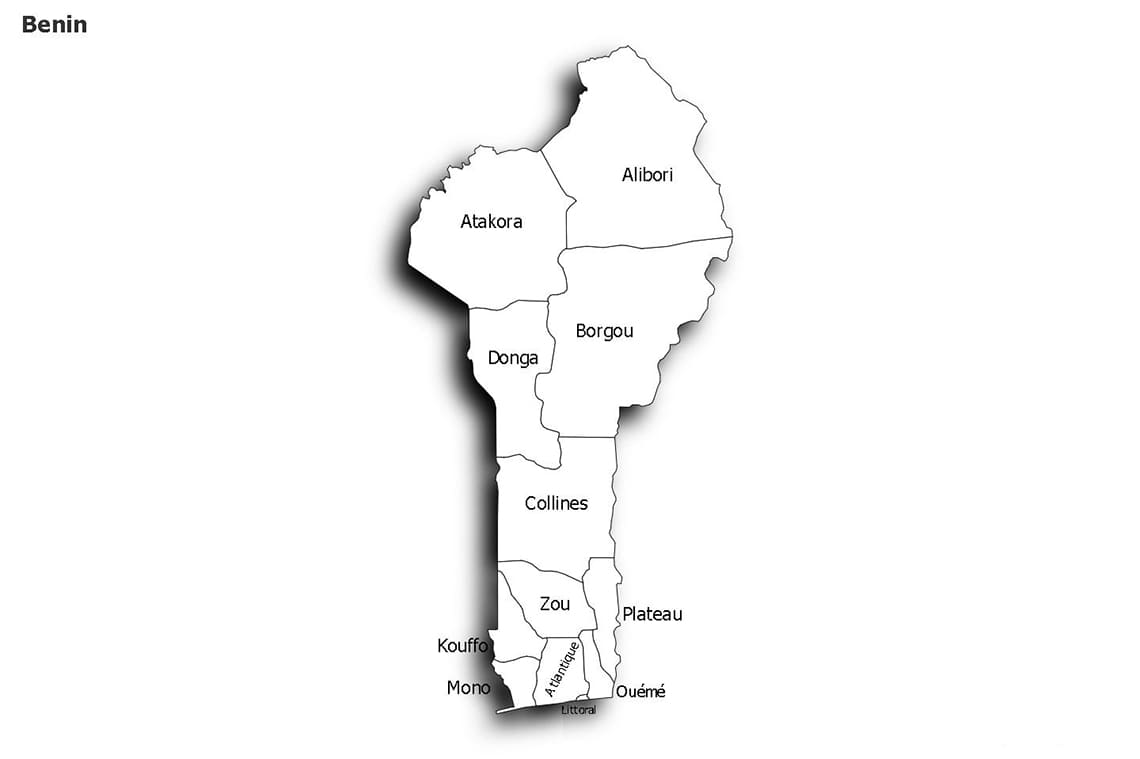
Introduction to Benin
Benin, a small yet vibrant country located in West Africa, is often overshadowed by its larger neighbors. However, its rich history, diverse cultures, and significant role in the transatlantic slave trade make it a crucial area of interest for historians and tourists alike. Understanding Benin is essential for appreciating West Africa’s overall narrative and the contributions of its people to global history.
A Glimpse into Benin’s History
Once known as the Kingdom of Dahomey, Benin has a storied past that dates back to the 17th century, marked by its centralized governance and military prowess. The kingdom was well-known for its involvement in the slave trade and its complex societal structure, which included a significant role for women in leadership. As slavery began to decline, Benin altered its economy, focusing more on trade and agriculture.
Modern Benin
Today, Benin is a democratic republic with a growing economy primarily based on agriculture, trade, and cotton production. It gained independence from France in 1960 and has since transitioned from authoritarianism to a more democratic governance, although challenges such as corruption and economic inequality remain prevalent. The country’s capital, Porto-Novo, stands as a testament to its colonial past, while Cotonou serves as its bustling economic hub.
Cultural Significance
Benin is renowned for its vibrant culture, with art, music, and festivals rooted in its historical traditions. The country is home to the annual Voodoo Festival, attracting visitors from around the globe eager to witness the rich spiritual practices still prevalent today. Artisans in Benin are known for their exceptional craftsmanship, particularly in creating textiles and sculptures that reflect the country’s unique identity.
Preservation of Heritage
There are ongoing efforts to preserve Benin’s cultural heritage, especially significant historical sites like the Royal Palaces of Abomey, a UNESCO World Heritage site. These sites attract scholars and tourists seeking to understand the complexity of Benin’s history and the impact of its past on contemporary society.
Conclusion
As we delve into the layers of Benin’s history and culture, it becomes clear that this small nation holds immense significance within West Africa and beyond. By acknowledging and exploring its rich heritage, we gain a deeper understanding of the human experience and the interconnectedness of societies throughout history. Benin stands not just as a destination, but as a profound narrative waiting to be explored.